
9-Day Serengeti Great Migration Safari: Tarangire, Serengeti & Ngorongoro

9 Days 8 Nights

A Serengeti Great Migration safari 9 days through Tanzania's northern circuit — Tarangire's elephant concentrations, five consecutive days following the wildebeest migration through the Serengeti's western and central zones, and a full-day descent into the Ngorongoro Crater.

  • June – October (peak Serengeti migration — Grumeti crossings June/July, northern Mara corridor July/August); January – March (calving season, southern Serengeti Ndutu plains); Tarangire is exceptional July–October
  • Not included — required; include medical evacuation cover
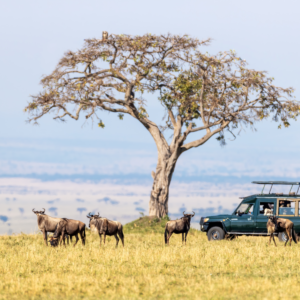
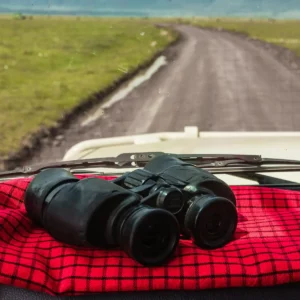
  • 4x4 safari vehicle with pop-up roof throughout

Overview

This Serengeti Great Migration safari 9 days itinerary is built around Tanzania's northern circuit — the most concentrated sequence of wildlife experiences on the continent — with enough time in each zone to actually follow the migration rather than glimpse it. Five consecutive nights across the Serengeti's western and central zones give you the volume of game-drive time that river crossings, predator encounters, and mass migration sightings require. No two days in the Serengeti look the same.

The circuit begins in Tarangire, one of Tanzania's most underrated parks, where the dry-season Tarangire River draws enormous elephant herds alongside ancient baobab trees. In the wet season (November–April), the park is the core of a large seasonal migration of its own, with hundreds of thousands of animals — wildebeest, zebra, and buffalo — moving through the woodland. Year-round, Tarangire holds one of Africa's highest concentrations of elephants.

From Tarangire, the circuit crosses into the Serengeti via the Ngorongoro Conservation Area — a vast highland plateau that frames the approach to the park. The Serengeti itself is 14,750 km² of open grassland and kopje-studded savannah, one of the oldest and most intact ecosystems on Earth, in continuous operation for over 3 million years. Your first three Serengeti nights are at Ikoma Wild Camp, positioned in the Grumeti-Ikorongo wildlife management area on the western migration corridor. This is the corridor through which the wildebeest herds push during June and July, crossing the Grumeti River — home to Tanzania's most famous large-bodied Nile crocodiles — before continuing north toward the Mara. The camp sits outside the national park boundary, which means you can also take night game drives and walking safaris not permitted inside the park.

Days 6 and 7 move to Osinon Tented Camp in the central Serengeti, home to the Seronera Valley — Tanzania's most consistently productive game-viewing area year-round. Here, multiple prides of lions, resident cheetahs, leopards hunting along the rocky kopjes, and large herds of buffalo and zebra make every drive eventful regardless of whether the migration is present. Day 8 is devoted entirely to the Ngorongoro Crater — one of the world's most extraordinary wildlife environments and the highlight of any Tanzania circuit.

Trip Highlights

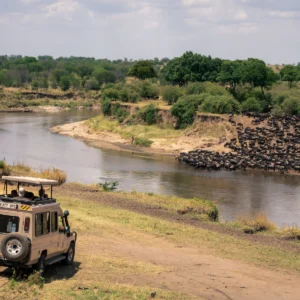
  • Follow the Great Wildebeest Migration across five days in the western and central Serengeti — including the Grumeti River crossing corridor
  • Descend into the Ngorongoro Crater on a full-day game drive — 260 km² volcanic caldera with black rhinos, lions, cheetahs, flamingos, and hippos all within view simultaneously
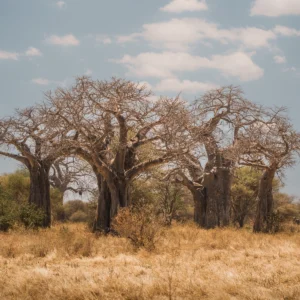
  • Track elephant herds alongside 1,000-year-old baobab trees in Tarangire National Park
  • Stay at Ikoma Wild Camp — a safari camp in the Grumeti-Ikorongo WMA on the western migration route, with optional night game drives not available inside the park
  • Three nights in the western Serengeti corridor (June–July migration peak) followed by two nights in the central Seronera zone (year-round predator concentration)
  • Watch Grumeti River crocodile encounters as migration herds cross the western Serengeti
  • All Tanzania park and conservancy entry fees included across all destinations

Your 9-Day Serengeti Great Migration Safari

  • Day
    01

    Arrive Kilimanjaro — Transfer to Arusha

    Your guide meets you at Kilimanjaro International Airport on arrival and transfers you to Arusha (approximately 45 minutes). Check in at Springlands Hotel — a well-established mid-range property set in landscaped gardens with a swimming pool, bar, and restaurant, used widely by safari operators as the standard Arusha staging property. Arusha is the gateway to the northern Tanzania circuit and Tanzania's safari industry hub. Rest and prepare for an early departure the following morning.

  • Day
    02

    Arusha to Tarangire National Park

    After an early breakfast, drive south from Arusha toward Tarangire National Park (approximately 2 hours). Enter the park and begin an all-day game drive with a picnic lunch taken inside the reserve. Tarangire is 2,850 km² of miombo woodland, open savannah, and seasonal swamps bisected by the Tarangire River — during the dry season (July–October), this river is the only permanent water source across a vast area and draws wildlife from the surrounding ecosystem in extraordinary concentrations. The park holds one of Africa's highest elephant densities: herds of 50–100 and more move through ancient baobab woodland — some individual trees estimated at over 1,000 years old. Lions, leopards, cheetahs, wild dogs, and over 550 bird species are resident throughout the year. Dinner and overnight at Sangaiwe Tented Camp near Tarangire.

  • Day
    03

    Tarangire to Serengeti — Western Corridor

    After an early breakfast, drive from Tarangire toward the Serengeti via the Ngorongoro Conservation Area (NCA) gateway — a long transit day (approximately 9–10 hours including driving and game drives). The route passes through the NCA highland plateau and enters the Serengeti National Park through Naabi Gate, the eastern entrance. Begin a game drive en route through the central Serengeti and continue west through the Seronera valley toward the western corridor. Arrive at Ikoma Wild Camp in time for dinner. Ikoma Wild Camp is located in the Grumeti-Ikorongo Wildlife Management Area (WMA) — a buffer zone on the western boundary of the Serengeti National Park. The WMA is not fenced; wildlife moves freely between the game reserves and the national park, and the camp's open savannah views frequently include elephant, giraffe, buffalo, and predators from the restaurant and tent verandahs. Unlike camps inside the national park, Ikoma Wild Camp permits night game drives and guided bush walks, giving you access to the Serengeti after dark.

  • Day
    04

    Full Day Game Drive — Western Serengeti

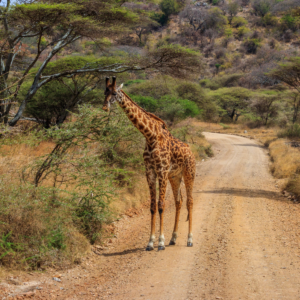
    After breakfast, drive into Serengeti National Park from the western side for a full day game drive with a picnic lunch. The western Serengeti — the Grumeti and Ikorongo corridor — is the zone through which the annual Great Wildebeest Migration passes during June and July. Over 1.5 million wildebeest and hundreds of thousands of zebra push northward through this corridor, crossing the Grumeti River in a spectacle attended by the river's resident population of enormous Nile crocodiles — the Grumeti crocodiles are among the largest in Africa, having grown on a diet of wildebeest for centuries. The western corridor also holds impressive concentrations of topi, impala, eland, and giraffe, alongside resident lion prides and cheetahs. Return to camp for dinner and overnight.

  • Day
    05

    Full Day Game Drive — Western Serengeti

    A second full day in the western Serengeti from Ikoma, with a picnic lunch inside the park. Your guide uses the previous day's intelligence to position the vehicle at active sightings — predator activity, river crossing buildup, or areas of high migration density. The Grumeti River corridor changes daily as herds move through; what was quiet one day can be alive with thousands of animals the next as the migration's leading edge arrives. Return to camp for dinner and overnight.

  • Day
    06

    Western Serengeti to Central Serengeti

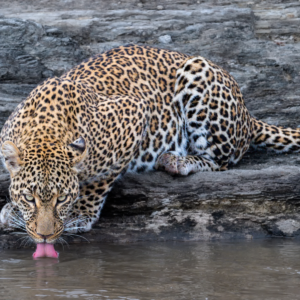
    After breakfast, begin a morning game drive through the western corridor before driving east toward the central Serengeti and the Seronera Valley (approximately 3 hours). The Seronera Valley is the Serengeti's most consistently productive game-viewing area year-round — a convergence of rivers and kopjes (ancient granite rock outcrops) that serves as a permanent hunting ground for multiple lion prides, resident cheetahs, and Seronera's famous leopards. Arrive at Osinon Serengeti Tented Camp in time for an afternoon game drive in the central zone. Dinner and overnight at camp.

  • Day
    07

    Full Day Game Drive — Central Serengeti

    Spend the full day in the central Serengeti — the Seronera area and surrounding plains. The central Serengeti holds the highest year-round density of predators in the ecosystem: resident lion prides, cheetah families, leopards active on kopje granite at dusk, and spotted hyena clans that outnumber lions across most of the landscape. From August onwards, migration herds that have made the Mara River crossing in Kenya begin their southward return through the central zone, bringing the ecosystem's full seasonal richness into view. Picnic lunch inside the reserve. Return to camp for dinner and overnight.

  • Day
    08

    Ngorongoro Crater — Full Day Descent

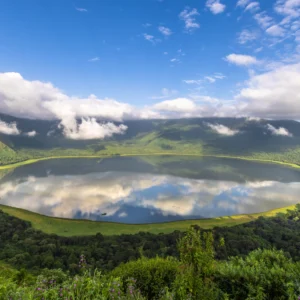
    After an early breakfast, drive east from the central Serengeti toward the Ngorongoro Conservation Area (approximately 3–4 hours via Naabi Gate). Descend into the Ngorongoro Crater — a UNESCO World Heritage Site and one of the world's most extraordinary enclosed wildlife environments. The crater is 260 km² of volcanic caldera floor, formed approximately 2.5 million years ago when a massive volcano collapsed inward. Today it is home to a resident population of approximately 30,000 animals that live permanently within the caldera's 600-metre walls: lions, cheetahs, elephants, hippos, buffalo, zebra, wildebeest, spotted hyenas, and — crucially — one of the most accessible and reliably sighted black rhino populations in East Africa. Flamingos wade the alkaline shallows of Lake Magadi on the crater floor. Enjoy a picnic lunch at the designated hippo pool picnic site. A crater service fee of USD 295/vehicle is included in your package. Ascend from the crater in the late afternoon and continue to a lodge in the Karatu area for dinner and overnight.

  • Day
    09

    Karatu to Arusha — Departure

    After breakfast, drive north to Arusha (approximately 2 hours). Your guide drops you at the Arusha hotel of your choice for a mid-morning rest, or continues directly to Kilimanjaro International Airport (JRO) for onward flights. This marks the end of your 9-day Serengeti Great Migration safari.

The Cost Includes

  • 8 nights' full-board accommodation as specified per package tier
  • All meals as specified: full board throughout; picnic lunches on all park game drive days
  • All Tanzania park and conservancy fees
  • All game drives as per the itinerary
  • 4x4 safari vehicle with pop-up roof throughout
  • Professional TANAPA-certified English-speaking guide and driver
  • JRO airport pickup (Day 1) and Arusha or JRO drop-off (Day 9)
  • Bottled water in vehicle throughout

The Cost Excludes

  • Tanzania eVisa — USD 50 per person (single entry) — apply at visa.immigration.go.tz before travel
  • International flights to/from Kilimanjaro (JRO)
  • Travel insurance (required — include medical evacuation cover)
  • Hot air balloon safari over the Serengeti (~USD 550–600/person — must be pre-booked; available from central Serengeti)
  • Night game drives and bush walks at Ikoma Wild Camp (optional add-on — see Extra Services)
  • Tips and gratuities for guide and camp staff (recommended: USD 15–20/person/day for guide)
  • Personal alcoholic beverages at lodges
  • Personal items and laundry
  • Smoking is not permitted inside vehicles or camps (Tanzanian national parks law)