
Estimated reading time: 10 minutes
Table of contents
This Diani Beach travel guide gives you everything you need to plan a trip to Kenya’s most loved stretch of coast. Whether you live in Nairobi and want a quick coastal escape, or you are flying in from abroad, the planning questions are the same. What is there to do? Where should you stay? And how do you actually get there?
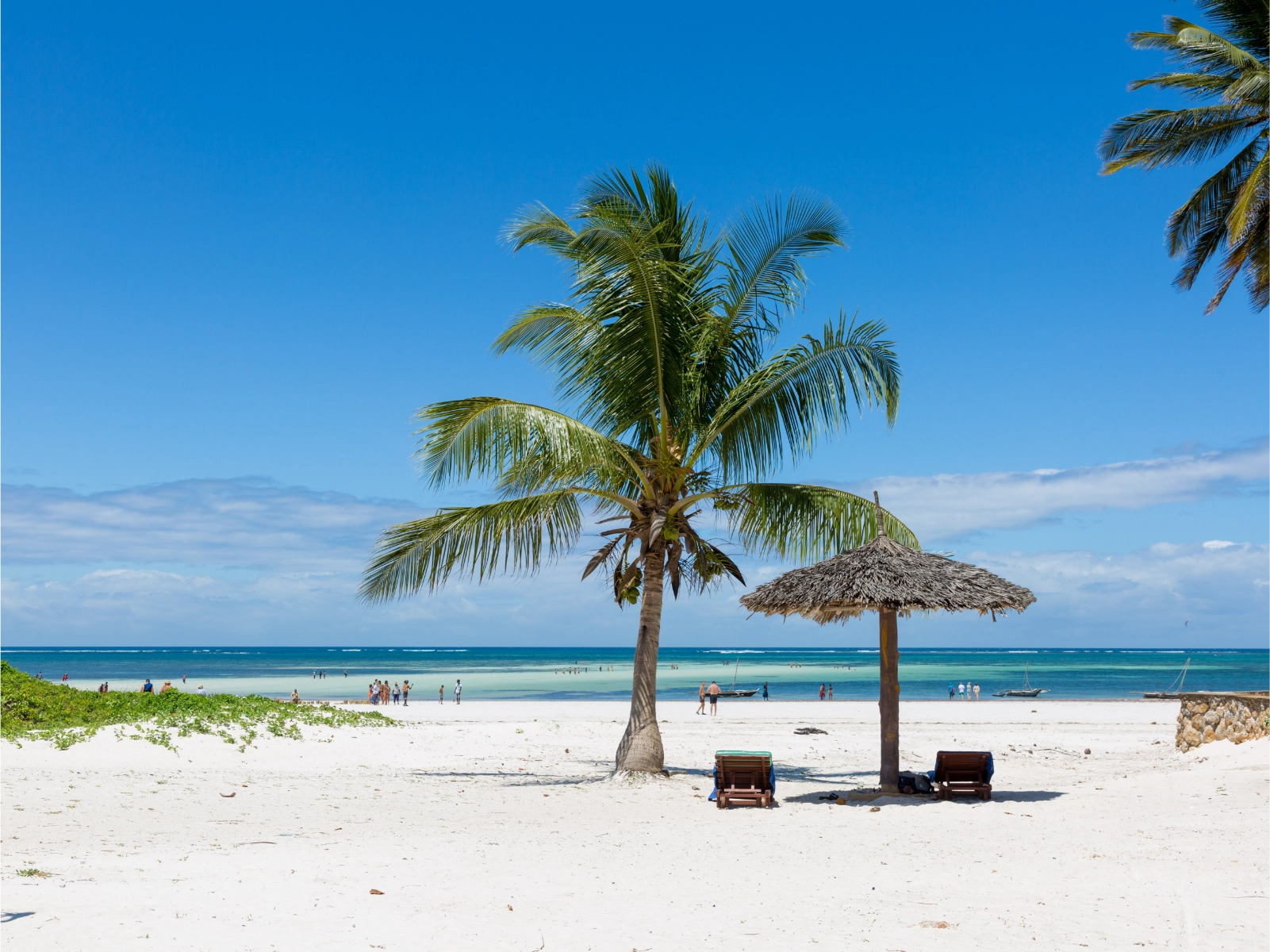
Diani sits on Kenya’s south coast in Kwale County, around 30 kilometres south of Mombasa. The sand is powder-white, the Indian Ocean runs warm and turquoise, and the reef sits just offshore. Below, you will find how to reach it, when to come, what to do once you arrive, and where to base yourself for the trip.
Why Diani Beach Tops Kenya’s Coast
Diani Beach has earned its reputation. It has been named Africa’s Leading Beach Destination more than once at the World Travel Awards, and the crowds it draws back year after year are the real proof. Yet it never feels like an overbuilt resort strip.
What makes it work is balance. There is enough infrastructure to keep things easy, with good restaurants, supermarkets, ATMs, dive centres, and reliable transport. At the same time, the place holds onto its Swahili-coast character. Fishermen still launch dhows at dawn, and the call to prayer drifts over the palms in the evening.
The beach also suits almost everyone. Families come for the safe, shallow lagoon at low tide. Couples come for sunset dhow cruises and quiet luxury lodges. Younger travellers come for the kitesurfing, the diving, and the December festival season. Solo travellers and backpackers, meanwhile, find cheap rooms a short walk from the same sand the resorts sit on.
How to Get to Diani Beach
There are three sensible ways to reach Diani Beach from Nairobi: fly, take the train, or drive. Your choice comes down to budget and how much time you are willing to spend in transit. As a rule, flying buys time, the train buys scenery, and driving buys flexibility.
By Air to Ukunda Airstrip

Flying is the fastest and least stressful option. Daily flights leave Nairobi’s Wilson Airport for Ukunda Airstrip, the small airport that serves Diani directly. The flight takes roughly one hour. Carriers on the route include Safarilink, Jambojet, and Skyward Express, so competitive fares are usually available if you book ahead.
Ukunda Airstrip sits in the middle of Diani, only minutes from most resorts. A tuk-tuk or hotel transfer gets you to your room in well under fifteen minutes. For anyone short on time, or anyone who wants to skip the long road journey, this is the route to pick.
By SGR Train and Road

The SGR Madaraka Express is the scenic middle option. The train runs from Nairobi Terminus in Syokimau to Mombasa Terminus in Miritini, covering 592 kilometres in around five to six hours. Economy class costs KSh 1,500 and first class KSh 4,500 for the full route. You book online through the official Madaraka Express portal, pay with M-Pesa, and collect your boarding pass at the station.
The train does not reach Diani itself. From Miritini, you arrange a road transfer south to the beach, which takes about ninety minutes. Many Mombasa hotels and tour operators can set this up, or you can pre-book a private car. Buy SGR tickets early, because seats on the express sell out fast over weekends and holidays.
By Road and the Dongo Kundu Bypass

Driving from Nairobi covers roughly 500 kilometres and takes eight to nine hours on the A109 highway. The big change in recent years is the Dongo Kundu Bypass. This new road lets you reach Diani from Mombasa without the Likoni Ferry, which used to add hours of waiting in peak season.
The difference is real. The bypass cut the drive from Moi International Airport to Ukunda from over three hours down to about one. If you still prefer the ferry crossing, it remains an option, but expect long queues on weekends and public holidays. For self-drivers, the bypass is now the obvious choice.
Best Time to Visit Diani Beach
Diani is warm all year, with daytime temperatures usually sitting between 26 and 32 degrees. That said, the seasons do shape your experience, so timing matters more than first-time visitors expect.
The two dry windows are the prime beach months. January to March is hot, bright, and calm, with the clearest water for snorkelling. July to October is slightly cooler and dry, with excellent underwater visibility for diving and a chance to spot migrating humpback whales offshore.
The long rains fall in April and May. Some smaller properties close during this stretch, but the coast turns lush, the crowds thin out, and room rates drop noticeably. The short rains in November bring brief afternoon showers that rarely ruin a day. Kitesurfers, on the other hand, should target the windy months, which are the Kaskazi winds from December to March and the Kusi winds from June to September. One last note: seasonal seaweed and seagrass wash up at certain times of year, so ask your hotel about current conditions before you book a specific week.
Things to Do in Diani Beach
The hardest part of any Diani trip is choosing what to skip. The water is the main draw, but the land side also holds wildlife, forests, and culture worth a day or two of your time. Below are the experiences most worth building your itinerary around.
Snorkel Kisite-Mpunguti Marine Park
The standout day trip is Kisite-Mpunguti Marine Park, Kenya’s largest marine protected area. It sits off Shimoni, about 50 kilometres south of Diani, and locals call it the home of the dolphins. Roughly seventy resident dolphins live here, alongside more than 250 fish species, green and hawksbill turtles, and vast coral gardens.
You reach the park by dhow from Shimoni, usually as a full-day tour. Entry is managed by the Kenya Wildlife Service. Under the October 2025 fee schedule, Kenyan citizens pay KSh 500 per day and non-residents pay USD 25. Bring a waterproof bag and reef-safe sunscreen, and pack motion-sickness tablets if you are sensitive to boats.
Sail to Wasini Island and Shimoni
Most Kisite tours pair the snorkelling with a stop on Wasini Island, a small, car-free island just north of the park. There are no roads and no traffic here, only a quiet Swahili village and a famous seafood lunch of crab and coconut rice. The Wasini Women’s Boardwalk leads through a petrified coral garden and mangroves.
Near the departure point at Shimoni, you can also visit the Shimoni Slave Caves, a sobering but important piece of coastal history. For a longer island loop, combine the trip with nearby Funzi Island and its tidal sandbanks.
Kitesurfing, Skydiving, and Watersports
Diani is one of East Africa’s top kitesurfing spots, thanks to steady seasonal winds and a wide, flat lagoon. Several schools along the beach run lessons for complete beginners. Divers, too, have easy access to reef sites and a handful of wrecks, with the best visibility in the July-to-October window.
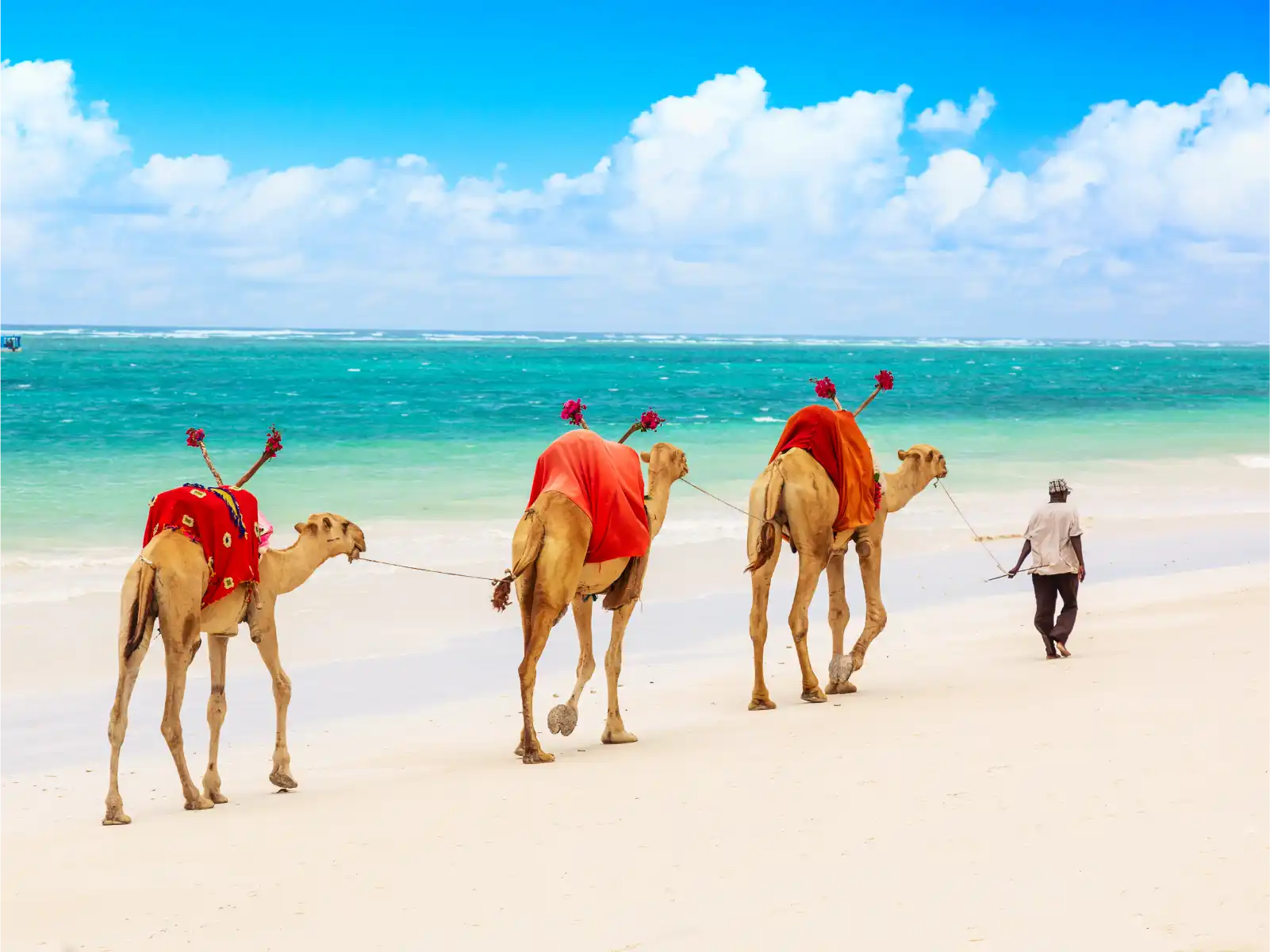
For a bigger thrill, Diani is one of the few places on the continent where you can skydive over a tropical beach, landing on the sand with the reef spread out below. Glass-bottom boat rides, dhow sunset cruises, and camel walks along the shoreline round out the gentler options for those not chasing adrenaline.
Wildlife and Culture on Land
Diani is not only about the ocean. Colobus Conservation, just off the beach road, protects the rare Angolan colobus monkey and runs the rope “colobus crossings” you will spot strung over the tarmac. A short drive inland, the Shimba Hills National Reserve shelters elephants, the rare sable antelope, and the lovely Sheldrick Falls.
For something more cultural, visit the Kaya Kinondo Sacred Forest, one of the Mijikenda sacred groves recognised by UNESCO. A local guide walks you through its history and the customs still tied to it today. Together, these stops show a side of the south coast that the beach alone never reveals.
Eat Your Way Along the Coast
The food alone justifies the trip. Swahili cuisine leans on fresh seafood, coconut, and spice, so expect grilled fish, prawns, crab, and biryani done properly. Beach bars and casual shacks serve the day’s catch a few steps from the water, while the resorts run more formal dining for special evenings. Do not leave without trying fresh coconut water straight from the husk, sold up and down the sand. For self-caterers, local markets and supermarkets stock everything you need to cook your own.
Where to Stay in Diani Beach
Diani covers the full range, from barefoot luxury to backpacker dorms, often within walking distance of each other. Your choice mostly comes down to budget and travel style.
At the top end, beachfront resorts and boutique lodges offer private pools, spas, and adults-only wings popular with honeymooners. The mid-range is genuinely strong here, with family resorts and well-run hotels that bundle in breakfast and a pool. Budget travellers and long-stay visitors do well with guesthouses, backpacker hostels, and self-catering apartments a little back from the sand.
Self-catering villas deserve a special mention. For Nairobi families and groups of friends, renting a villa with a cook often costs less per head than a resort, and it suits the relaxed pace Diani is built for. On location, the central beach is livelier and closer to restaurants, while the quieter southern end around Galu suits those who want calm. Either way, book early for the December and Easter peaks, when the best places fill fast.
What to Know Before You Go
A few practical notes will save you real hassle. International visitors need a Kenya electronic travel authorisation, or eTA, before arrival. You apply online at the official eTA portal, the cost is around USD 34, and you should allow about three working days. Since 2025, citizens of most African countries enter visa-free for up to 60 days.
M-Pesa runs almost everything on the coast, so a local SIM with mobile money makes daily life far easier. Ride-hailing apps like Uber and Bolt do not operate in Diani, which means you will rely on tuk-tuks, boda bodas, and taxis, most of which your hotel can arrange. On health, the coast is a malaria zone, so speak to a doctor about prophylaxis before you travel and pack a good insect repellent for the evenings. Finally, stick to bottled or filtered water, and bring light cotton clothing along with that reef-safe sunscreen.
Plan Your Trip with TripGenius Travel
A solid Diani Beach travel guide only takes you so far. Turning it into a smooth trip is where we come in. At TripGenius Travel, we build coast packages that handle the parts most people get wrong: the Wilson-to-Ukunda flights, the Kisite dhow tour, the right room for your budget, and the airport transfers that tie it all together.
We can also pair Diani with a safari, since most visitors want both. A few days tracking wildlife in the Maasai Mara followed by a week on the sand is the classic Kenyan combination, and we package it end to end. If you would rather stay on the coast, we can extend your trip up to Mombasa or out to the southern islands.
Tell us your dates and your budget, and we will send you a plan you can actually book. Explore our coast and safari packages today.
Final Word
Three things make Diani Beach easy to plan. First, getting there is simple: fly into Ukunda for speed, or take the SGR and the Dongo Kundu Bypass for the scenic route. Second, the activities suit every kind of traveller, from Kisite snorkelling to skydiving to long, slow days on the sand. Third, the wide accommodation range means the coast works on almost any budget.
So pick your season, book your flights early for the December rush, and leave room in the plan to do nothing at all. That, more than anything, is what Diani does best.