
Italy in Pictures
Nowhere else looks like this. Nowhere else eats like this. And no photograph has ever quite done it justice.
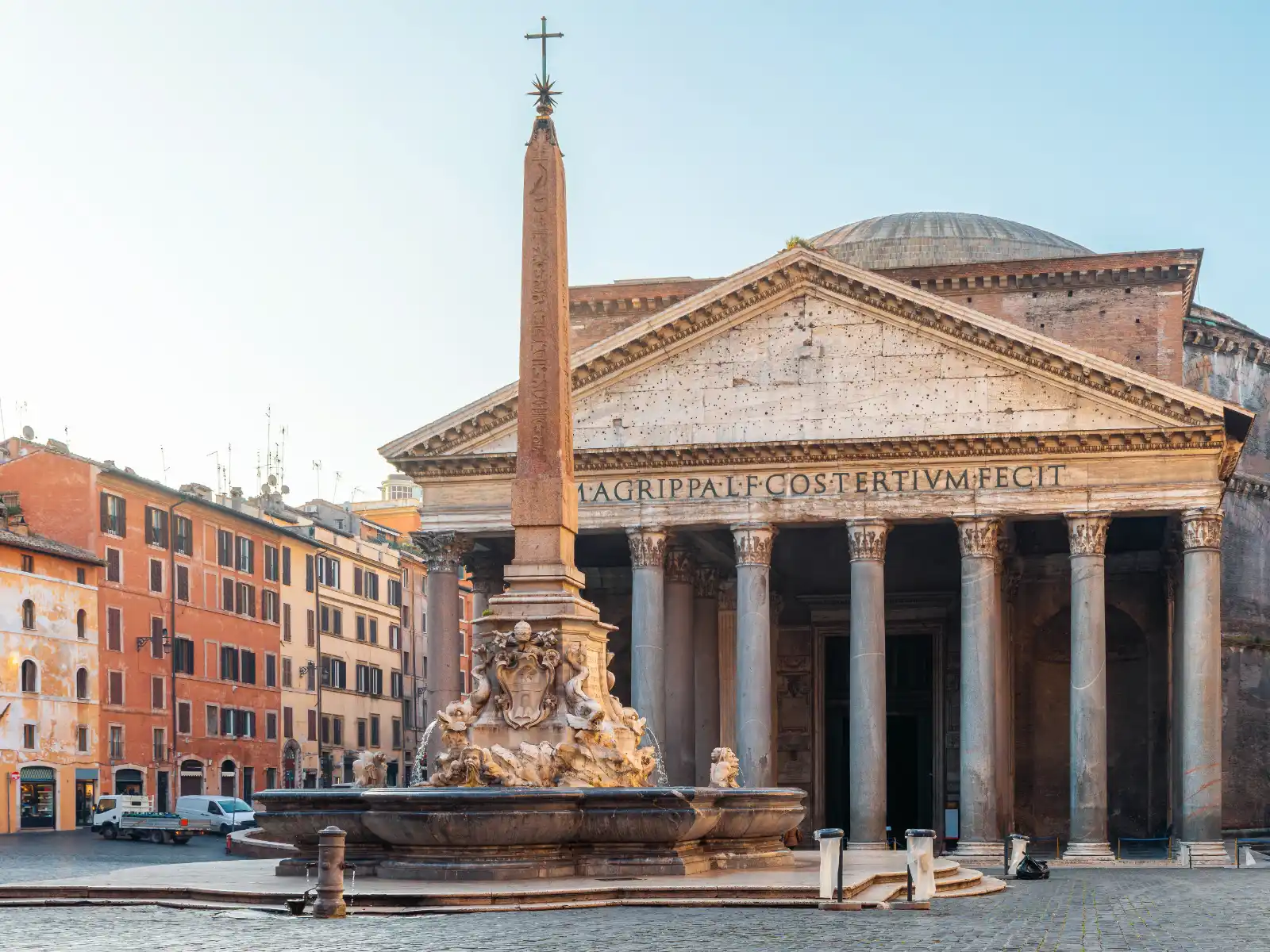
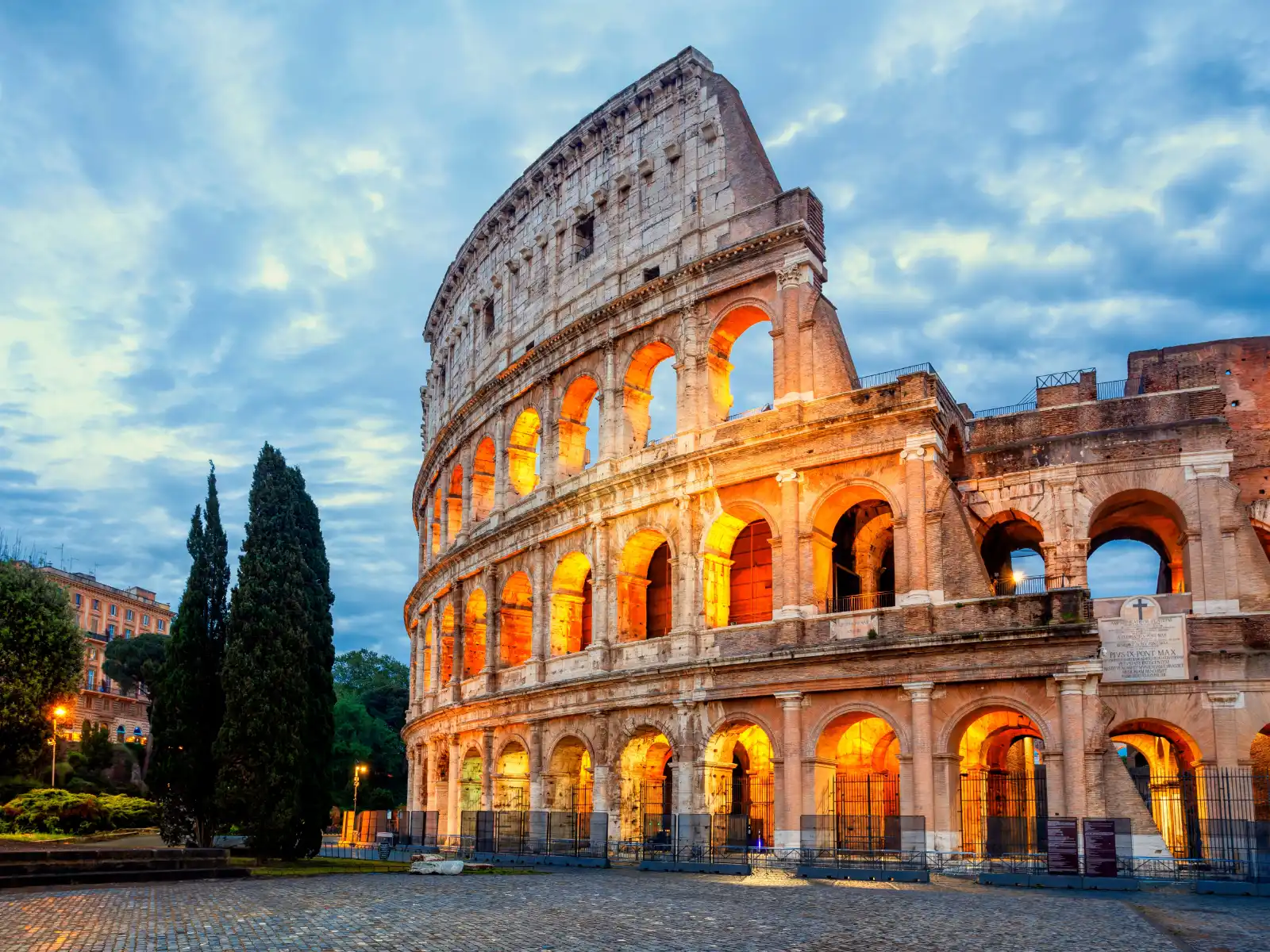

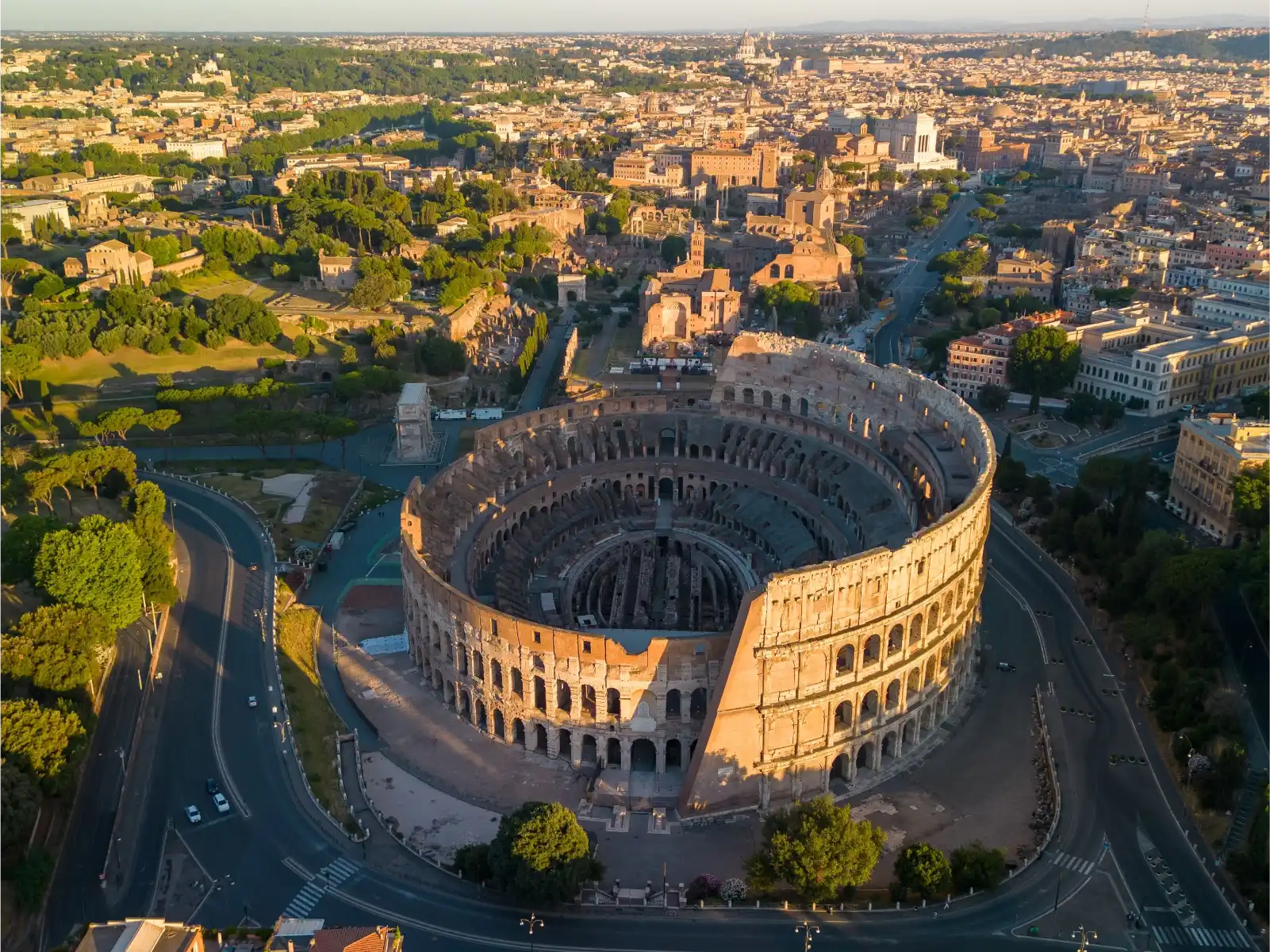

Getting to Italy from Nairobi
Around eight hours in the air. Well-connected through multiple hubs — and worth every moment of the journey.
There is no direct flight from Nairobi to Italy, but the connection is straightforward through Dubai, Doha, Addis Ababa, or Amsterdam. Most travellers fly into Rome Fiumicino (FCO) or Milan Malpensa (MXP) as their entry point — Rome for the south and central Italy, Milan for the north, the lakes, and Tuscany. Italy has several other airports (Venice, Florence, Naples, Catania) that make sense depending on your itinerary, and we'll factor that into your routing.
The most popular routing for Kenyan travellers to Italy. Emirates connects through Dubai to both Rome and Milan with multiple daily departures. Dubai Airport is an excellent transit hub — comfortable, well-signposted, and easy to navigate on a tight connection.
Qatar Airways connects through Doha to Rome, Milan, and Venice among other Italian cities. Hamad International Airport is spacious, modern, and easy to transit. A strong option if you're flying into Venice or want more city flexibility than Emirates offers.
Ethiopian Airlines connects to Rome and Milan through Addis Ababa. Often one of the more affordable options on this corridor and a familiar routing for many East African travellers. Reliable carrier with a strong Africa–Europe track record.
A strong option if you want to avoid Middle Eastern hubs or are planning to combine Italy with other European destinations. Amsterdam's Schiphol Airport is one of Europe's most efficient transit hubs. KLM connects to Rome, Milan, Venice, and Naples among others.
Rome, Florence, Venice, the Amalfi Coast, Tuscany, Sicily, the Italian Lakes — each of these is a trip in its own right. If you're visiting for the first time, we generally recommend anchoring in two or three cities rather than rushing through all of them. Tell us which ones matter most to you in the enquiry form and we'll build an itinerary that gives each place the time it deserves.
Entry Requirements for Italy
Italy is part of the Schengen Area. Here is what Kenyan travellers need to know before they book.
Kenyan passport holders must apply for a Schengen Visa (Short Stay, Type C) before travelling to Italy. The visa allows a stay of up to 90 days within any 180-day period across all 27 Schengen member states. Apply at the Italian Embassy in Nairobi. Processing typically takes 15–30 working days — sometimes longer during peak periods. Apply a minimum of 6–8 weeks before your travel date. Do not book non-refundable flights before your visa is approved.
Your passport must be valid for at least 3 months after your planned departure from the Schengen zone. Practically, ensure 6 months of validity to meet airline check-in requirements and give yourself a comfortable buffer. You must also have at least two blank pages.
A Schengen visa application for Italy typically requires: completed application form, recent passport photos, your original passport plus copies of all used pages, a cover letter explaining your trip, confirmed return flights, hotel bookings for the full stay, travel insurance (minimum EUR 30,000 medical cover), 3 months of bank statements, proof of employment or business ownership, and the visa fee (currently EUR 80).
Schengen visa applications require proof of travel insurance covering the full duration of your stay with a minimum of EUR 30,000 in medical and repatriation cover. The policy must be valid across all Schengen countries. We can recommend suitable policies available from Kenya.
1 USD ≈ 0.92 EUR. Cards are widely accepted in cities and tourist areas, though some smaller restaurants, markets, and rural establishments prefer cash. Carry EUR 50–100 in cash at all times. ATMs are widely available — use your bank's network to avoid excessive fees. Exchange currency before you leave Nairobi or on arrival at the airport, not at hotel desks.
Spring (April–June) is Italy at its finest — warm, bright, and fragrant, with fewer crowds than summer and lower prices. The Amalfi Coast and Tuscany are particularly beautiful. Autumn (September–October) is a close second — harvest season in wine country, warm seas, and a city that has exhaled after August. Summer (July–August) is Italy at its most crowded and expensive — Rome and Venice can be overwhelming.
The Italian Schengen Visa is the most document-intensive part of planning this trip, and it is the one thing that cannot be rushed. The Italian Embassy in Nairobi processes applications in order — during peak periods (March–July) wait times can extend beyond 30 working days. Book your trip with refundable or flexible fares until your visa is confirmed. We offer full Schengen visa assistance — document checklist, application review, and submission guidance — for clients who book their Italy package through us.