Choose Your Mountain
East Africa is home to two of the most iconic trekking destinations on earth
Mount Kilimanjaro in Tanzania is Africa's highest peak — a bucket-list climb with no technical mountaineering required. Mount Kenya, right on the equator, offers more varied terrain and a rawer wilderness experience, with routes ranging from multi-day treks to technical summit bids on Point Lenana and Batian. Both mountains reward the effort. Choose your peak below to explore all available routes, durations, prices, and what to expect at altitude.

Hiking Mount Kenya
Africa's second-highest peak sits right on the equator, with glaciers, Afro-alpine moorland, and five distinct routes ranging from moderate trekking to technical climbing.
View Routes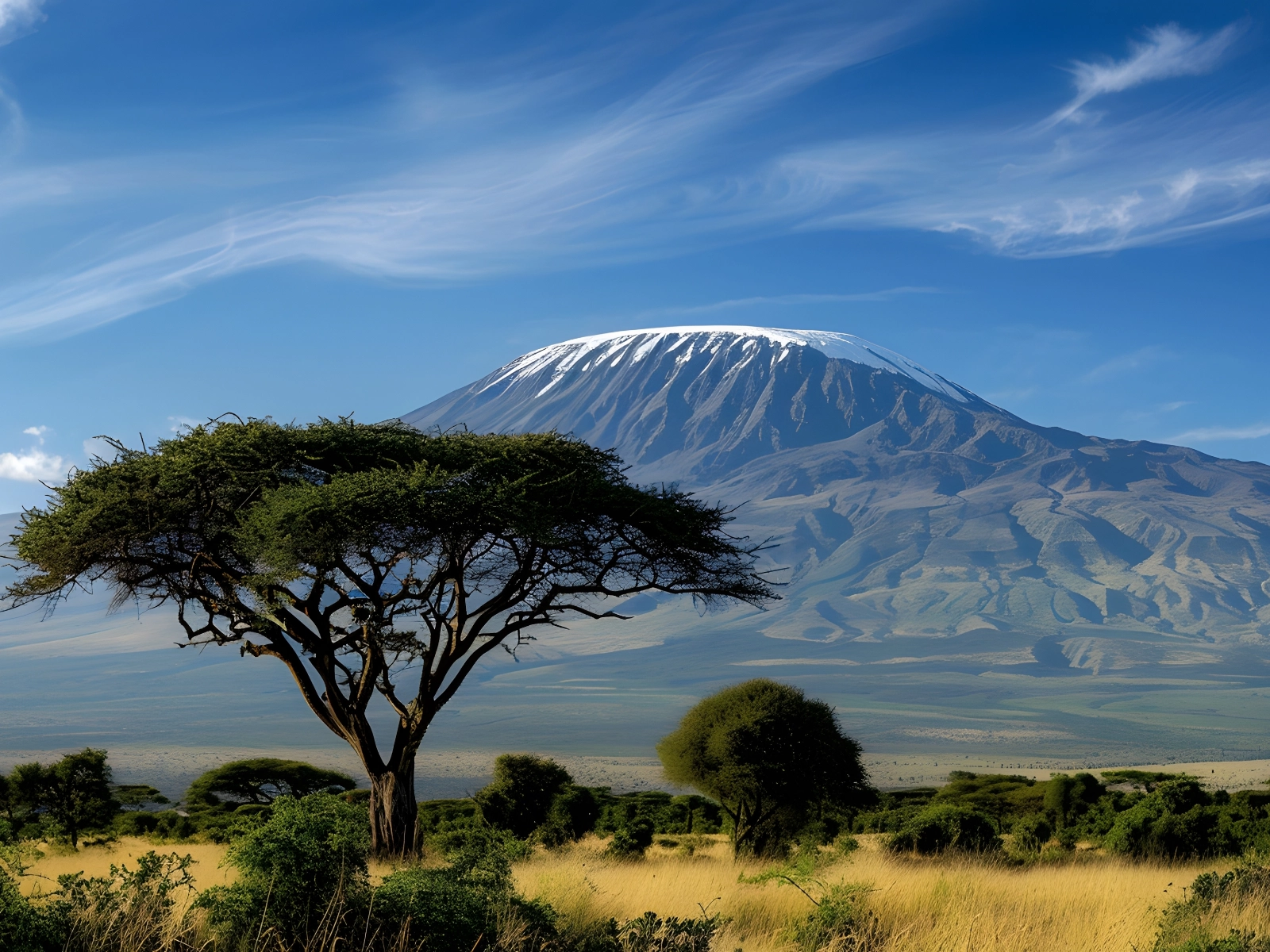
Hiking Mt Kilimanjaro
The Roof of Africa. The world's tallest freestanding mountain draws trekkers from every continent — walkable to the summit, yet genuinely demanding at altitude.
View RoutesQuick Comparison
Key facts to help you decide which peak suits you
| Mount Kenya | Mt Kilimanjaro | |
|---|---|---|
| Country | Kenya | Tanzania |
| Summit | 5,199m (Batian) · 4,985m (Lenana, trekking) | 5,895m (Uhuru Peak) |
| Duration | 3–7 days depending on route | 5–9 days depending on route |
| Technical skill | None (Lenana) to Advanced (Batian/Nelion) | None — trekking poles sufficient |
| Best time | Jan–Feb & Jul–Oct | Jan–Mar & Jun–Oct |
| Crowds | Quieter, more remote | Busier, especially Marangu & Machame |
| Ecosystem | Rainforest → moorland → glacier | Rainforest → heath → alpine desert → glacier |
Common Questions
Everything first-time trekkers ask before booking
No technical skills are required for Kilimanjaro. It is a high-altitude trek, not a technical climb — no ropes, harnesses, or prior experience needed. The main challenge is the altitude, which is why choosing a longer route with more acclimatisation days makes a real difference to your summit success rate.
It depends on which summit you're targeting. Kilimanjaro's Uhuru Peak (5,895m) is higher and the altitude effects are more significant. Mount Kenya's Point Lenana (4,985m) is slightly more accessible, but the terrain is rougher and the routes less defined. If you're after a technical challenge, Batian and Nelion on Mt Kenya are serious mountaineering objectives.
Altitude sickness (Acute Mountain Sickness) occurs when you ascend faster than your body can adapt to lower oxygen levels. Symptoms include headache, nausea, and fatigue. The best prevention is choosing a route with a gradual ascent profile, staying well hydrated, and not rushing. All TripGenius guides are trained in altitude monitoring and will adjust the pace if needed.
Both mountains can be hiked year-round, but the dry seasons give the best conditions. For Kilimanjaro and Mount Kenya, January–February and June–October are optimal. The long rains (March–May) and short rains (November) bring heavier precipitation and muddier trails, though prices are lower and crowds are thinner.
Yes. All TripGenius mountain packages include park entrance fees, camping or hut fees, and route permits. The full breakdown of what's included is listed on each route page. The only extras you'd typically need to budget for are tips for guides and porters, personal travel insurance, and any gear rental.