
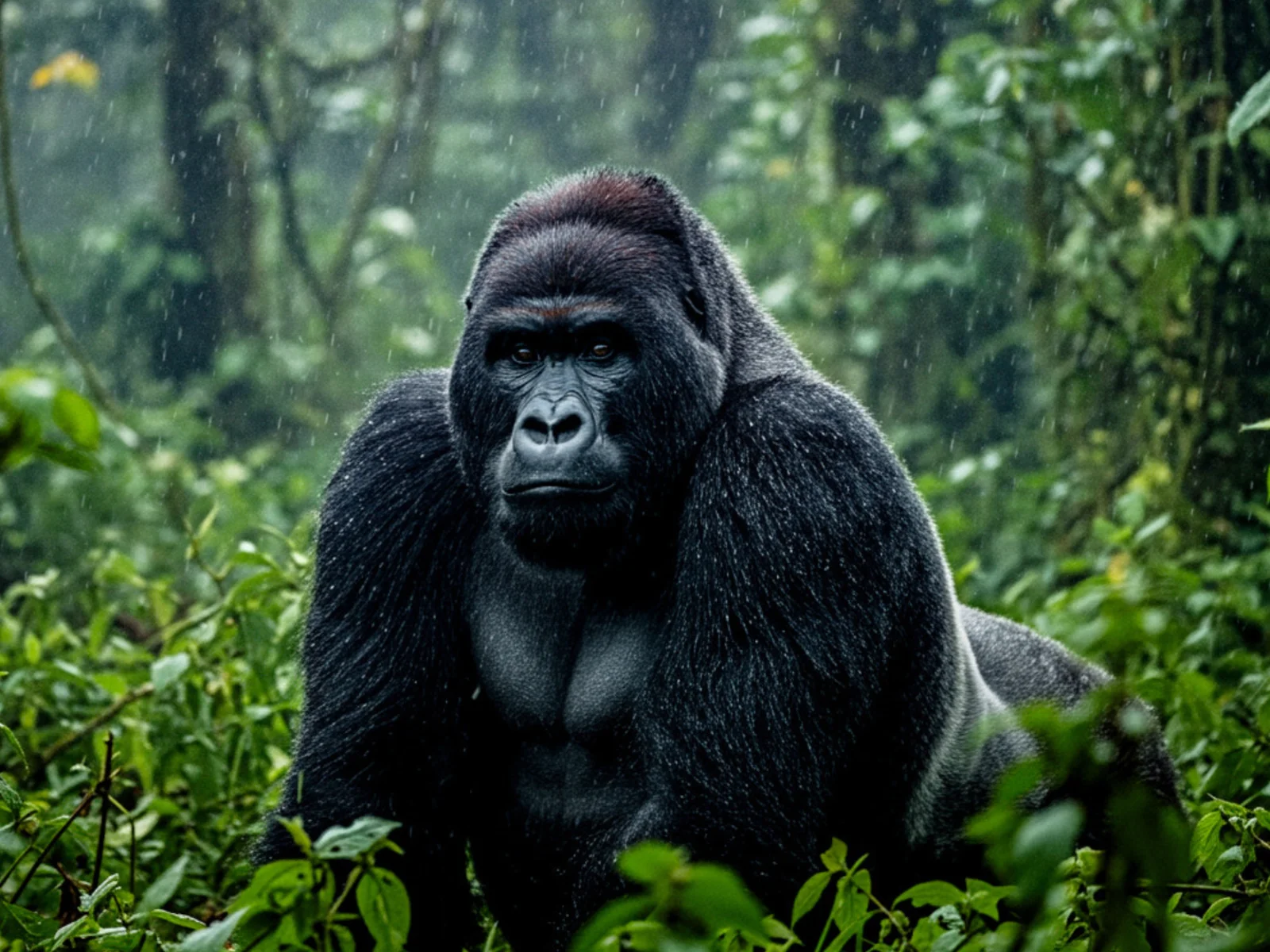
Gorilla trekking Uganda sits at the top of most serious wildlife bucket lists — and for good reason. Nowhere else on Earth can you walk into ancient rainforest and spend an unhurried hour within metres of a wild mountain gorilla family. Uganda is home to more than half the world’s remaining mountain gorillas, and the country has spent decades building the conservation systems and habituation infrastructure that make this experience both accessible and genuinely responsible.
This guide covers everything you need to plan your trip in 2026: which parks to visit, exactly how much permits cost, when to go, how to get there, and what to pack. By the time you finish reading, you will have a clear, accurate picture of what to expect — and what to do next.
Why Uganda Leads for Gorilla Trekking in Africa
Uganda offers the most accessible, most affordable, and arguably most authentic gorilla trekking experience on the continent. The permit costs USD 800 for foreign non-residents — significantly less than the USD 1,500 charged in Rwanda. Beyond price, Bwindi Impenetrable National Park delivers a denser, more immersive forest encounter than any other gorilla destination in Africa.
Uganda is also the only country where mountain gorillas are found in two separate national parks. That gives trekkers genuine flexibility. For those combining a gorilla safari with other wildlife parks, the East African Tourist Visa makes multi-country travel straightforward and cost-effective.
The global mountain gorilla population sits at around 1,063 individuals according to the most recent census. These animals are classified as Endangered on the IUCN Red List, with the entire population concentrated in the Bwindi-Virunga ecosystem straddling Uganda, Rwanda, and the DRC. Uganda’s long-running conservation investment — led by the Uganda Wildlife Authority — and its relatively affordable permits make it the natural starting point for anyone planning a primate safari in East Africa.
Bwindi Impenetrable Forest vs Mgahinga Gorilla National Park
Uganda has two parks where gorilla trekking takes place: Bwindi Impenetrable National Park and Mgahinga Gorilla National Park. They are very different in scale, permit availability, and overall experience.
Bwindi is the primary destination. It is a UNESCO World Heritage Site covering 331 square kilometres of ancient Afromontane forest — estimated to be over 25,000 years old — sitting in the south-western Albertine Rift at elevations between 1,160 and 2,607 metres. The park holds more than 19 habituated gorilla families spread across four trekking sectors. Beyond gorillas, Bwindi supports over 350 bird species, chimpanzees, forest elephants, and more than 120 mammal species, making it one of Africa’s most biodiverse forest ecosystems.
Mgahinga Gorilla National Park is smaller, more remote, and has just one habituated gorilla family — the Nyakagezi group — on the slopes of the Virunga Volcanoes near the Rwanda border. Only 8 permits per day are issued here, and they sell out well ahead of peak dates. Mgahinga’s main draw is the combination of gorilla trekking with golden monkey trekking and the dramatic volcanic scenery of the Virunga range.
The honest recommendation: book Bwindi unless you specifically want the Virunga landscape or a golden monkey add-on. Bwindi gives you more families, better permit availability across the year, and far more accommodation and logistical options.
The Four Gorilla Trekking Sectors in Bwindi
Bwindi is divided into four trekking sectors. Each one offers a distinct experience in terms of terrain, accessibility, gorilla family selection, and surrounding scenery.
Buhoma
Buhoma is the original gorilla trekking hub — the most established sector in the park and the most popular with first-time visitors. It sits in the north of Bwindi, has the widest selection of lodges at different price points, and offers relatively reliable road access. Trails here are moderate and well-established. Buhoma hosts seven habituated gorilla families including Mubare, the first-ever habituated group in Bwindi, established in 1993.
Ruhija
Ruhija sits on the eastern edge of the park at higher elevation, which means steeper trails and cooler temperatures. It is the top sector for birdwatching, with several Albertine Rift endemic species recorded here. Ruhija hosts four gorilla groups including the Kyaguriro and Bitukura families, and it draws a smaller volume of visitors than Buhoma — making for a quieter trekking experience.
Rushaga
Rushaga, in the south, is the largest sector by number of habituated families, with access to ten gorilla groups. That volume means better permit availability during peak season — a smart choice for trekkers booking late or those with flexible dates. Rushaga is also the only sector offering the Gorilla Habituation Experience, where you spend four hours with a gorilla family still being habituated to human presence. That extended experience costs USD 1,500 per person and is one of the most immersive wildlife encounters available anywhere in the world.
Nkuringo
Nkuringo is the most remote and most physically demanding sector, located in the south-western corner of the park. Terrain is steep, trails are challenging, and logistics require more planning. For trekkers who want a genuinely off-the-beaten-path experience and are comfortable with a serious hike, Nkuringo delivers views and a sense of isolation that the other sectors cannot match.
Uganda Gorilla Trekking Permit Cost in 2026
The permit cost is the first question every traveller researches for gorilla trekking Uganda — so here are the current, verified numbers.
As of July 1, 2025, the Uganda Wildlife Authority revised its permit fee structure for Bwindi Impenetrable National Park and Mgahinga Gorilla National Park. The current rates are:
Foreign non-residents: USD 800 per person per trek
Foreign residents in East Africa: USD 700 per person per trek
African passport holders (outside EAC): USD 500 per person per trek
East African Community citizens: UGX 300,000 per person per trek
Each permit covers a single trek and exactly one hour with a gorilla family. Permits are non-transferable and tied to a specific date and gorilla group.
Low season discounts apply in April, May, and November, when the permit drops to USD 600 for foreign non-residents — a saving of USD 200. These months correspond to Uganda’s wet seasons, when trails are muddier but the forest is noticeably greener, permits are more available, and trekking groups are smaller.
For context: Rwanda’s Volcanoes National Park charges USD 1,500 per permit — nearly double Uganda’s non-resident rate. The DRC’s Virunga National Park charges USD 400, but persistent security concerns make it an unreliable option for most travellers.
Beyond the permit, a complete gorilla trekking Uganda package — including accommodation, 4×4 transport, meals, and guide fees — typically ranges from USD 2,500 to USD 4,500 per person for a four- to six-day trip from Entebbe or Nairobi. Mid-range packages fall around USD 3,000 per person. Luxury lodge combinations push the total higher.
How to Book Your Uganda Gorilla Trekking Permit
Permits can be booked directly through the Uganda Wildlife Authority online portal, or through a registered safari operator who handles the booking on your behalf. Most travellers use the operator route — it removes the administrative friction and allows the operator to confirm family availability, manage payment, and advise on which sector suits your fitness level and travel dates.
Booking timelines matter significantly. For peak season travel — June through August, and December through January — book your permit at least six months in advance. The Christmas and New Year window can book out twelve months ahead. Low season months offer more flexibility, but permits for high-demand families in Rushaga and Buhoma still sell out weeks before trekking dates.
Each habituated gorilla group admits a maximum of 8 trekkers per day. That hard cap is what drives the scarcity — and it is why early booking is non-negotiable for anyone with fixed travel dates.
On cancellations: UWA retains 100% of the permit fee for cancellations within 8 days of the trek. Cancellations between 9 and 45 days attract a 75% retention, returning 25% to the client. If you fall ill on trek day and self-report to the park warden before the trek starts, UWA may offer a 50% refund or a rescheduling option. That policy exists to protect the gorillas — because gorillas share approximately 98.4% of human DNA, a common cold can be fatal to them.
Best Time to Go Gorilla Trekking in Uganda
Gorilla trekking in Uganda is possible every month of the year. Season affects trail conditions and permit prices more than it affects gorilla encounter success — UWA’s habituation programme delivers sightings above 95% of the time regardless of weather.
Peak Season: June to August and December to February
The two dry seasons bring firmer trails, clearer skies, and easier photography conditions. June through August is Uganda’s main high season and it overlaps with the Great Migration window in Kenya and Tanzania — making it an ideal period for a combined East Africa itinerary. December through February is the shorter dry season, popular with travellers on Christmas and New Year schedules.
Peak season means higher accommodation rates, busier parks, and permits that sell out months ahead. Plan and book early. The experience rewards the preparation.
Low Season: March to May and September to November
Uganda’s wet seasons bring real rainfall, particularly in April and May. Trails become muddy, and the steep sections in Nkuringo and Ruhija require poles, gaiters, and careful footing. What the low season trades in trail conditions, it returns in atmosphere. Forest vegetation turns a vivid green. Waterfalls run at full volume. Bird activity peaks, with migratory species adding to Bwindi’s already remarkable checklist. With fewer trekkers on the trails, the hour with a gorilla family feels more intimate and unhurried.
Permit discounts of USD 200 per person apply in April, May, and November. For budget-conscious travellers who are comfortable with muddy conditions and lighter crowds, the low season is genuinely worth considering.
Getting to Bwindi: Road or Air
Bwindi sits approximately 500 to 550 kilometres from Entebbe International Airport, in Uganda’s far south-western corner. Getting there requires planning — but the journey itself is part of the experience.
The road trip from Entebbe or Kampala takes 9 to 10 hours by 4×4 vehicle. Roads are mostly paved through Kampala, Masaka, Mbarara, and Ntungamo, with the final stretch turning to rough dirt track as you approach the park. A proper 4×4 is required — a standard saloon car will struggle on the approach roads, particularly in wet season. The drive passes through rolling hills, the Uganda Equator crossing, tea plantations, and views of Lake Bunyonyi in the Kigezi highlands. Many safari operators break the journey with a night at Lake Mburo National Park.
Flying cuts the journey to around one hour and fifteen minutes. Scheduled and charter domestic flights operate from Entebbe International Airport and Kampala’s Kajjansi Airfield to two airstrips near the park. Kihihi Airstrip in the north connects to the Buhoma and Ruhija sectors; Kisoro Airstrip in the south connects to Rushaga and Nkuringo. A 4×4 transfer from either airstrip to your lodge takes a further 40 to 90 minutes.
A practical option for multi-destination itineraries is to fly one way and drive the other — combining Bwindi with Queen Elizabeth National Park or Lake Mburo during the overland leg.
Travellers coming from Rwanda should note that Kigali is actually closer to Bwindi than Entebbe is. The drive from Kigali via the Katuna border crossing takes roughly 3 to 4 hours, making Kigali a viable gateway for a Uganda-Rwanda gorilla combination trip.
Visa and Entry Requirements for Uganda
A Uganda e-Visa is required for most visitors and must be applied for before arrival at Uganda’s official immigration portal. A standard single-entry tourist e-Visa costs approximately USD 100. The application is fully digital and is typically processed within 2 to 3 working days. Your passport must be valid for at least 6 months beyond your intended arrival date.
Yellow fever vaccination is mandatory for entry into Uganda. Carry your vaccination certificate in both printed and digital formats — immigration officers check it at arrival, and some airlines check it at departure.
For travellers visiting Uganda alongside Kenya and Rwanda on the same trip, the East African Tourist Visa (EATV) is more cost-effective. At USD 100 for 90 days with multiple entries across all three countries, it replaces three separate visa costs. Apply through Uganda’s immigration portal when submitting your EATV application. Note that the EATV does not cover Tanzania — plan separate Tanzania entry requirements if your itinerary includes Serengeti or Kilimanjaro.
What to Wear and Pack for Gorilla Trekking
Clothing choice matters more on a gorilla trek than on most wildlife experiences, because you are moving through dense equatorial rainforest on steep, root-covered terrain.
The non-negotiables start with footwear. Waterproof hiking boots with ankle support, already broken in before trek day — new boots mean blisters on uneven trail surfaces, and a blister in hour three of a forest hike is a serious problem. Long trousers in lightweight, quick-dry nylon or rip-stop material are essential. Avoid jeans — they become cold, heavy, and abrasive when wet. A long-sleeve top in neutral colours keeps insects off your arms and protects against the stinging nettles that line sections of most Bwindi trails. A lightweight waterproof jacket is essential year-round — this is a rainforest, and afternoon showers occur in every season.
Colour matters beyond aesthetics. Avoid blue and black clothing, which attract tsetse flies in parts of the park. Avoid camouflage — it is illegal for civilians to wear it in Uganda. Avoid strong perfume or cologne, which can agitate gorillas and attract stinging insects.
Additional items worth packing: gardening gloves for gripping vegetation on steep climbs, DEET insect repellent, at least one litre of water, a light snack for the return hike, your gorilla permit and passport, and a camera with no flash. No flash photography is permitted in the presence of gorillas.
Porter hire is strongly recommended regardless of fitness level. Porters carry your pack, steady you on slippery descents, and contribute directly to the communities that live adjacent to Bwindi — communities whose cooperation is essential to the long-term success of gorilla conservation. Porter fees are typically USD 15 to USD 20 per trek.
What to Expect on Trek Day
Trekking begins with a ranger station briefing at 8:00 am. Rangers assign each group of up to 8 trekkers to a specific gorilla family based on fitness level, group size, and the gorilla family’s current location. Trackers head out before dawn to find where the family spent the night, then radio their position back to the station.
Actual trekking time varies from 30 minutes to 8 hours depending on how far the gorillas have moved. Most treks fall in the 2 to 4 hour range. You know you are close when the trackers slow their pace and begin cutting through undergrowth with machetes. The sounds of the forest shift. Then you see them — silverbacks, females with infants, juveniles chasing each other through the canopy.
The one-hour observation starts from the moment your group is in position around the family. Rangers enforce it strictly — there are no extensions. No eating, no smoking, no moving closer than 7 metres. If a gorilla approaches your group, the ranger will instruct you to move back slowly and stay low. Keep movements calm and voices quiet.
This is not a zoo or a managed viewing area. The gorillas are wild animals, habituated to human presence but not tame. Some days they sit in a forest clearing for the full hour. Other days they move through dense vegetation and you follow. Either way, the experience delivers something that photographs cannot — the sheer physical presence of a 200-kilogram silverback at close range, in the quiet of an ancient forest.
Plan Your Gorilla Trekking Uganda Trip with TripGenius Travel
Gorilla trekking Uganda demands careful coordination — permits, timing, transport, accommodation, and visa logistics all need to fall into place months in advance. TripGenius Travel handles the full package: permit booking through UWA, airport and overland transfers, domestic flight coordination, lodge reservations across all four Bwindi sectors, and a complete Uganda itinerary tailored to your schedule, budget, and travel style.
Bwindi pairs naturally with Queen Elizabeth National Park for savannah wildlife, Kibale Forest for chimpanzee trekking, and Murchison Falls for Nile boat cruises and big game. The trip also connects seamlessly into Kenya or Rwanda for a broader East Africa safari.
Ready to lock in your permit date and start planning? Get in touch with the TripGenius team — we will check availability, design your itinerary, and take care of every detail from permit booking to final transfer.
Useful Resources
For official permit booking and park information, visit the Uganda Wildlife Authority website. All Uganda visa applications are processed through Uganda’s official e-Visa portal.
Final Word
Gorilla trekking Uganda is one of a handful of wildlife experiences that genuinely exceeds expectations — and that holds true whether you are on your first Africa safari or your tenth. The permit cost is real. USD 800 is not a small number. But the hour in the forest, watching a gorilla family go about their morning with minimal interest in you, is something that stays with you permanently.
Three things to carry from this guide: book at least six months ahead for peak season dates, choose Bwindi over Mgahinga for better availability and more family options, and consider April or November travel if your schedule is flexible and your budget needs stretching. The low season discount and the quieter trails are a genuine trade worth making.