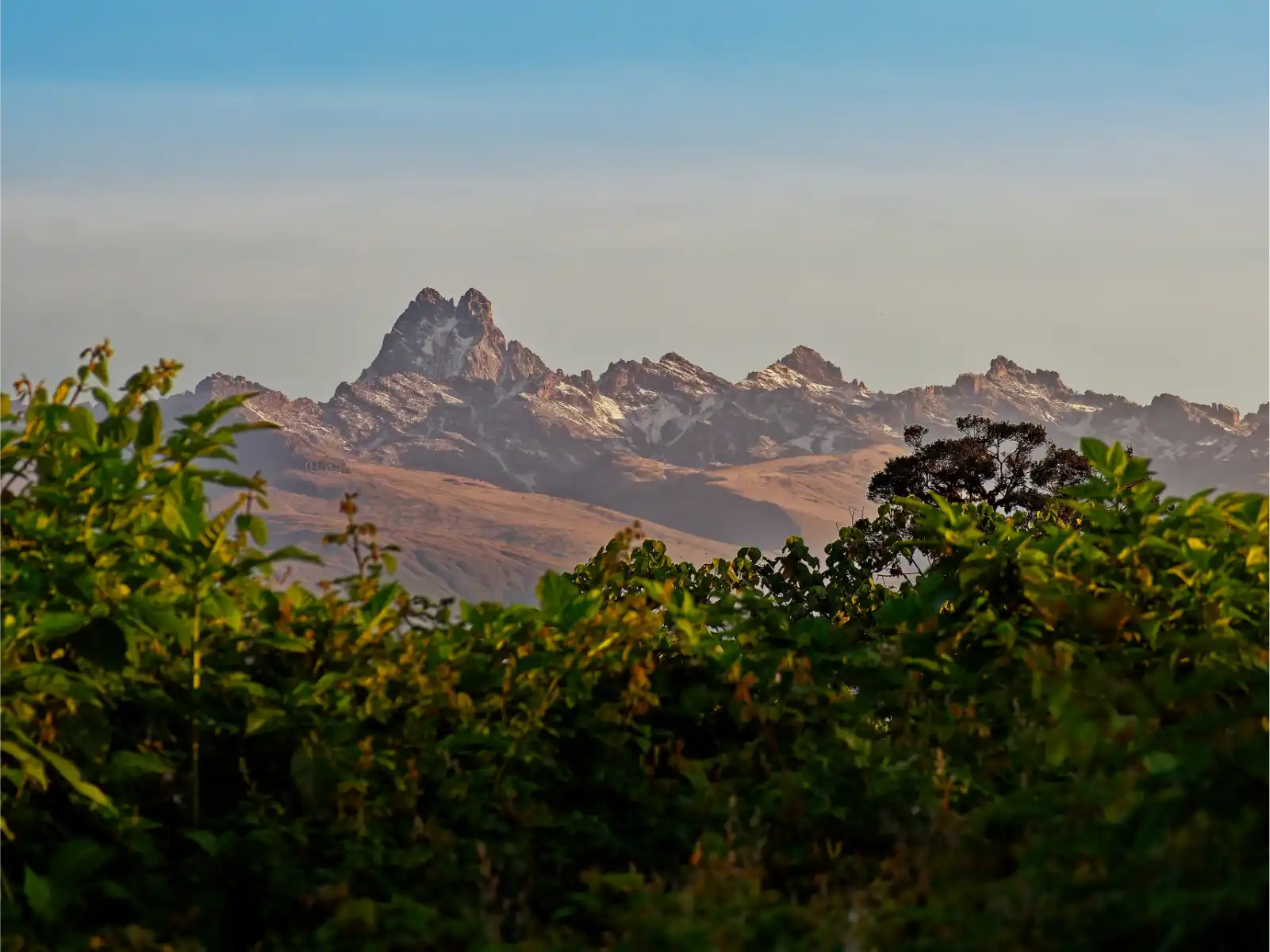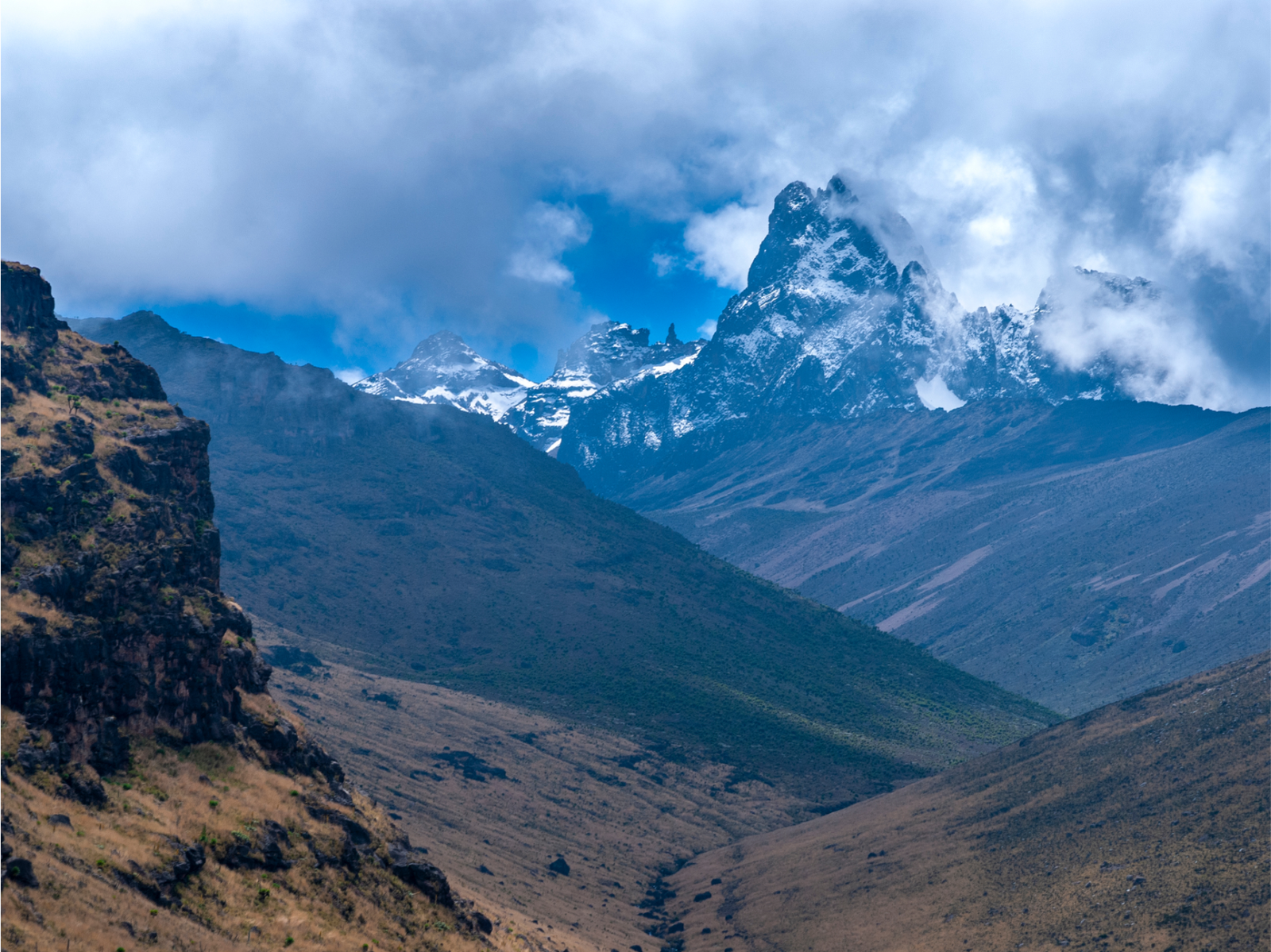
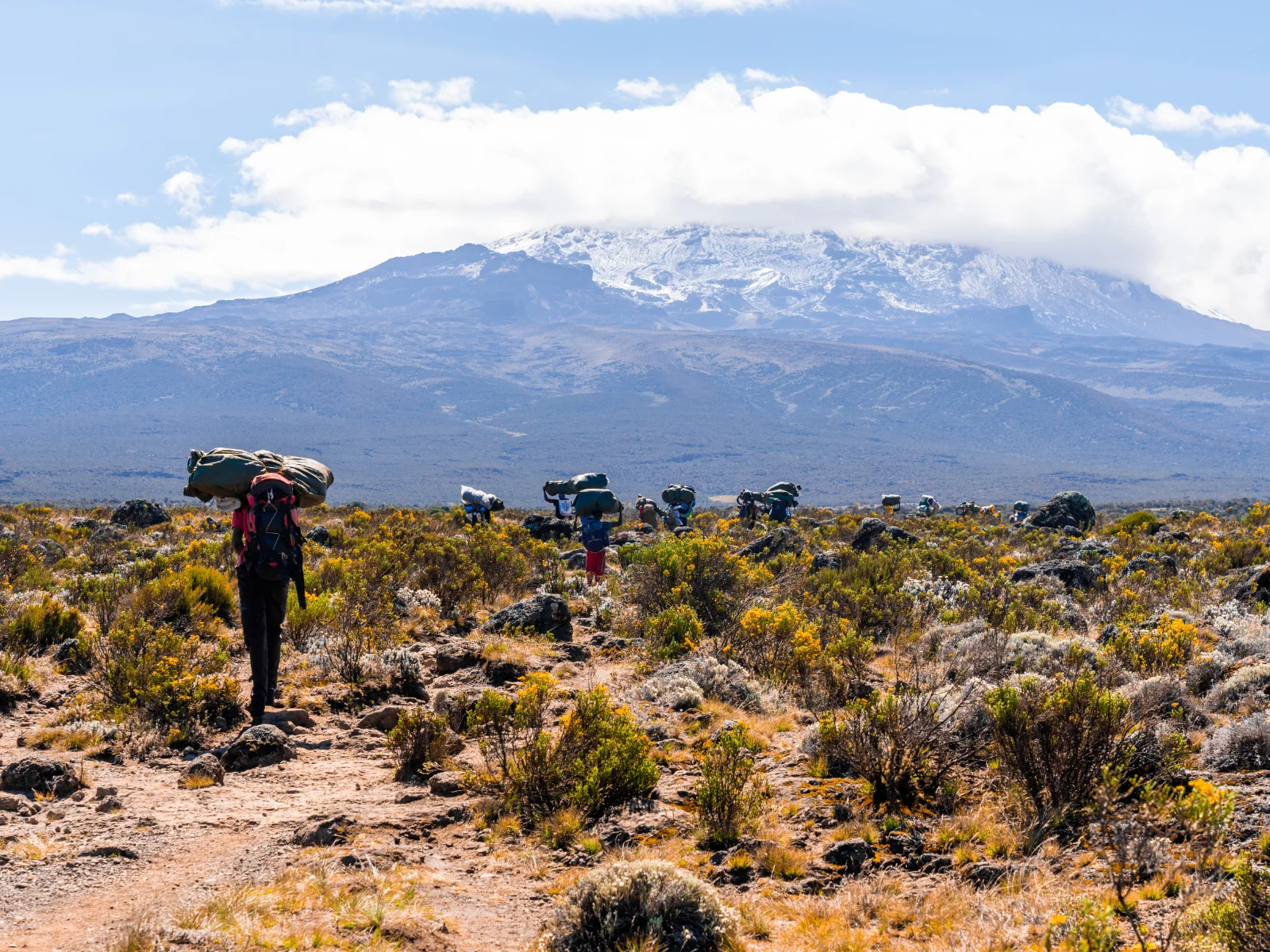
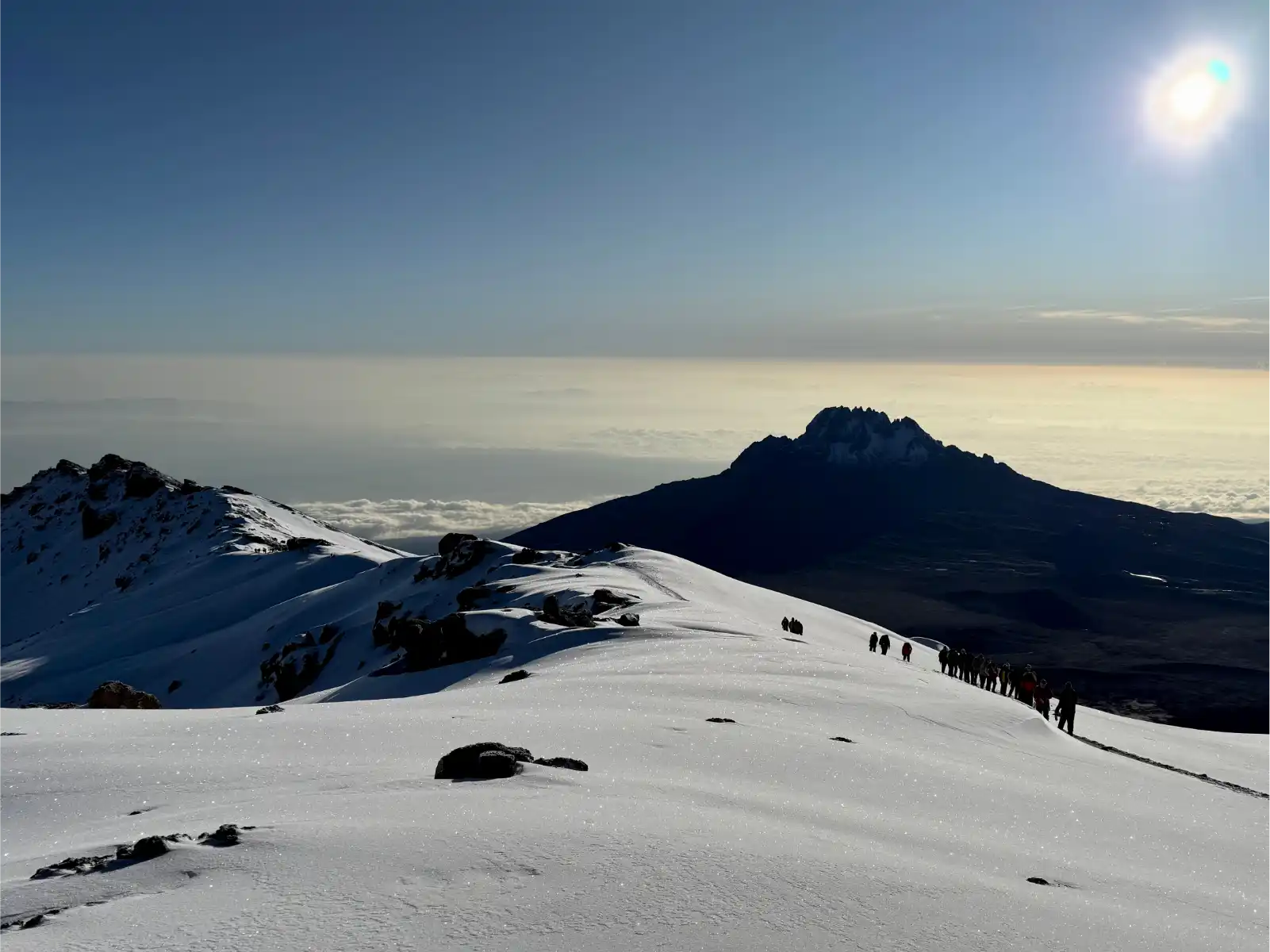
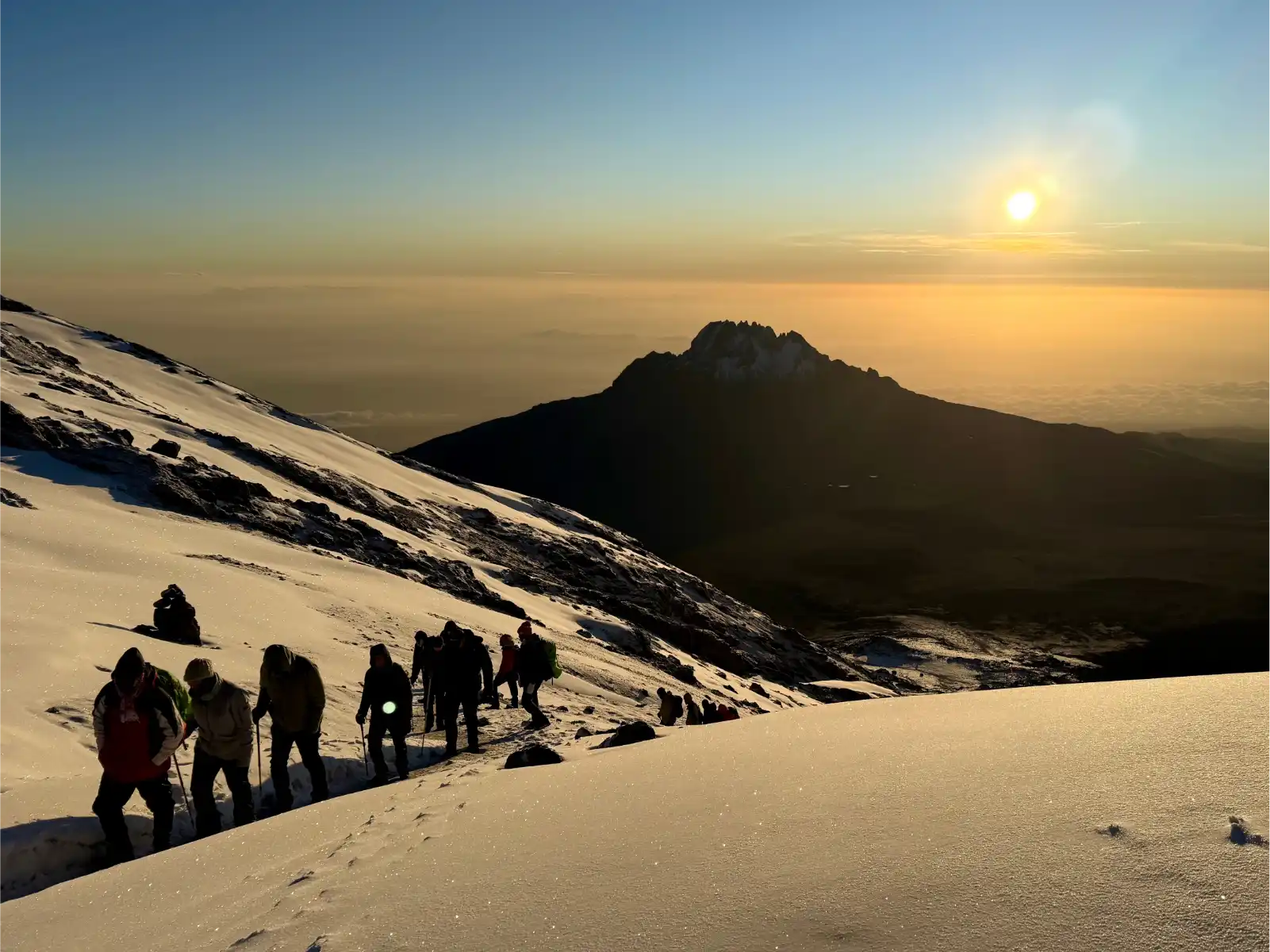
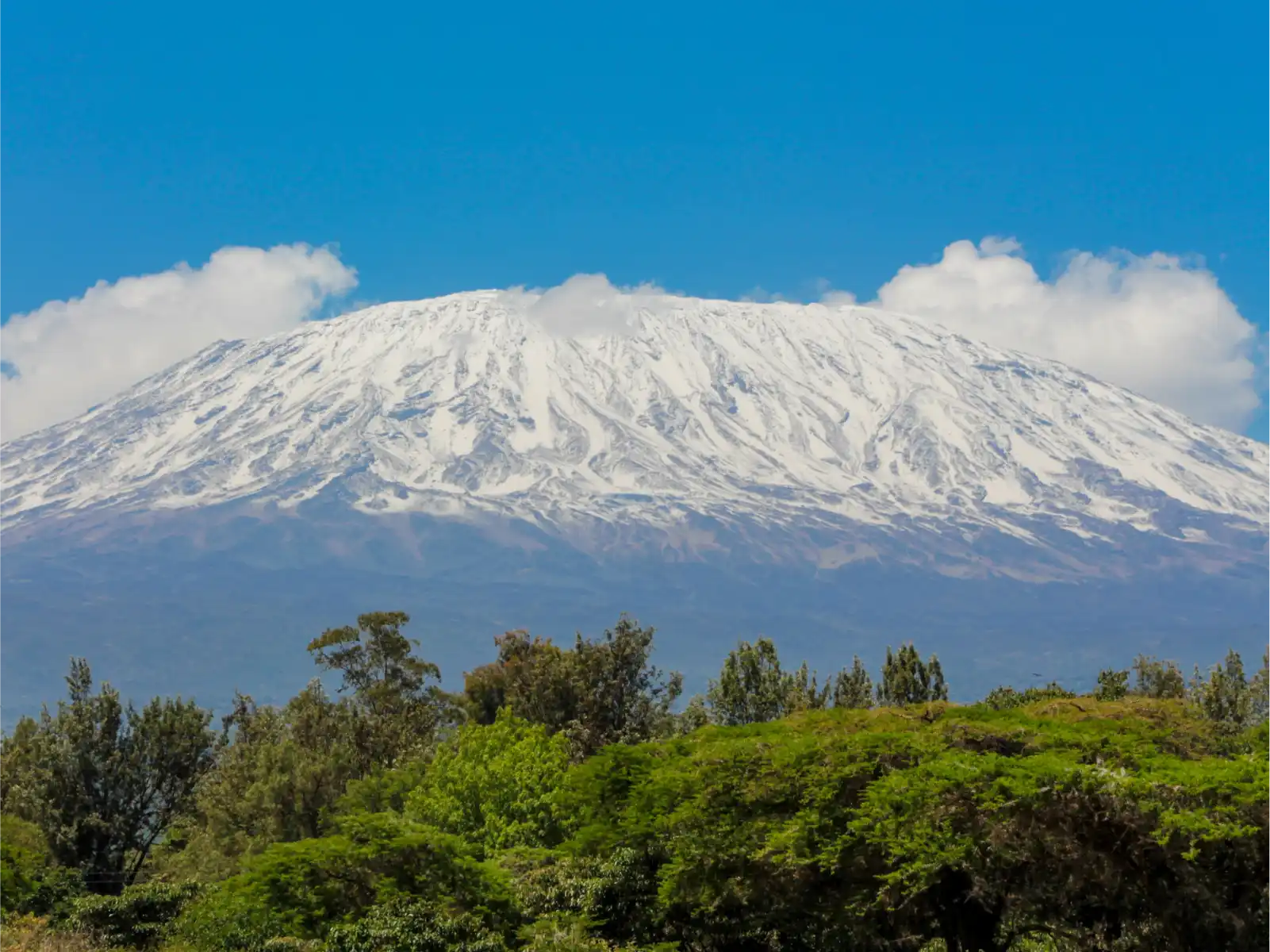
The Shira Route Kilimanjaro is a western approach that begins at Londorossi Gate (2,100 m) and was the original western route before Lemosho was developed as a superior alternative. Its defining characteristic — and its main risk — is that vehicles drive trekkers to a starting elevation of approximately 3,500 m, skipping the forest acclimatisation section that lower-starting routes provide. This compressed start increases altitude sickness risk but delivers immediate access to the dramatic Shira Plateau. It is best suited to trekkers with good prior altitude history.
ROUTE OVERVIEW
The Shira Route begins at Londorossi Gate (2,100 m) — the same gate as Lemosho — but instead
of walking through the rainforest, trekkers board a vehicle that drives up to approximately
3,500 m, where the walking begins on the Shira Plateau. Day one is spent on the plateau itself,
reaching Shira 1 Camp (3,504 m) or Shira 2 Camp (3,840 m) without the forest acclimatisation
buffer that Lemosho’s lower start provides.
Starting at 3,500 m on Day 1 — sleeping at this altitude on the very first night — is the
route’s most significant risk factor. Most bodies have not had time to begin adapting to altitude
after a long international journey and a vehicle transfer. Trekkers with proven acclimatisation
ability above 3,500 m handle this well; those without that history are at measurably higher AMS
risk on the Shira Route than on any other western approach.
From Shira Camp, the route merges fully with Lemosho and follows the identical southern circuit
path: Lava Tower acclimatisation climb (4,600 m), descent to Barranco Camp (3,976 m), Barranco
Wall scramble, and the progression along the southern circuit to Barafu high camp (4,673 m).
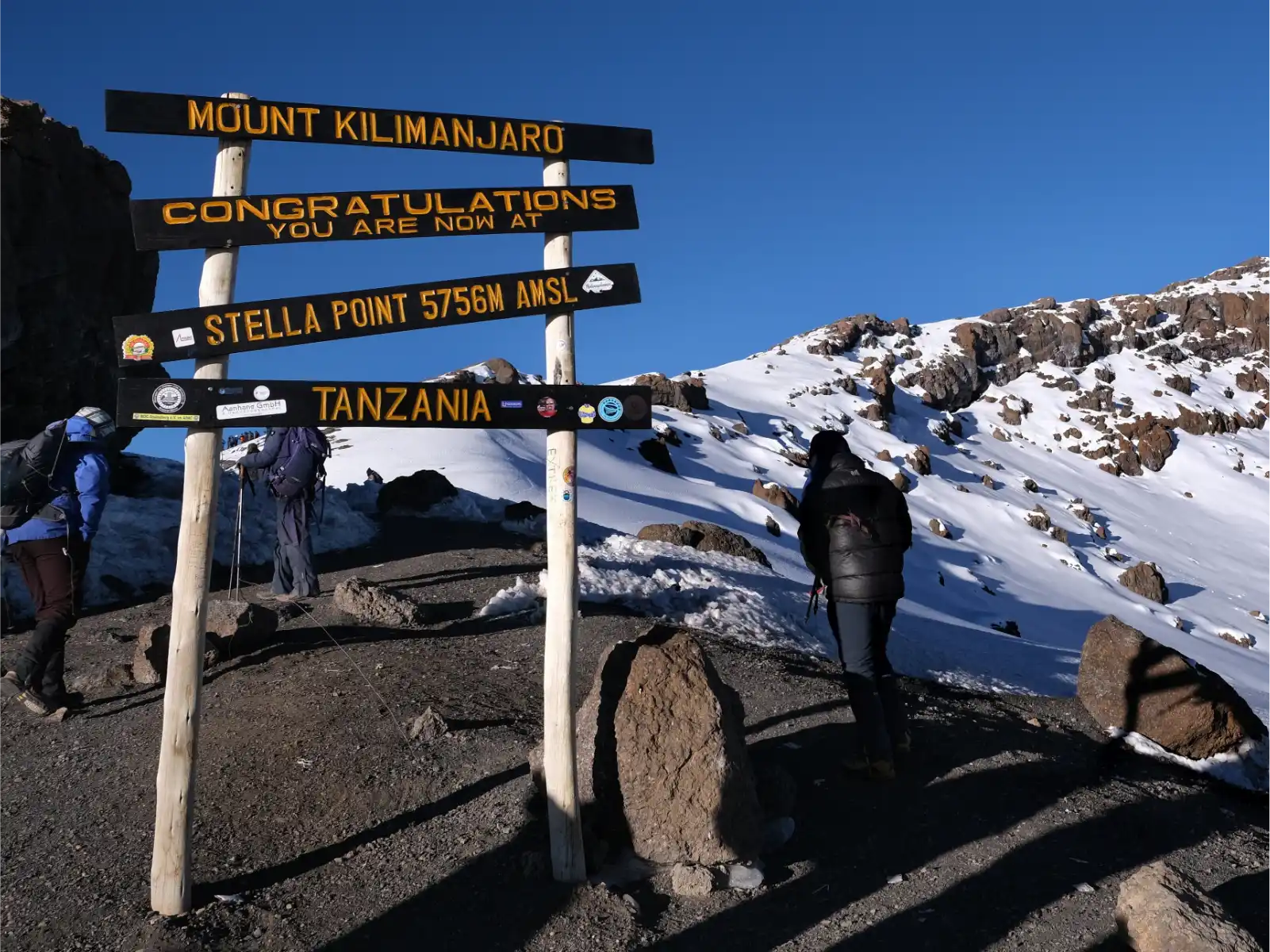
Summit night follows the Machame/Lemosho approach to Stella Point (5,739 m) and Uhuru Peak
(5,895 m).
Descent follows the Mweka Route. Total duration is 7 days on the standard Shira itinerary. For
trekkers choosing between Shira and Lemosho, Lemosho is consistently the stronger choice for
the same duration — the additional forest acclimatisation day it provides makes a meaningful
difference to summit success rates. The Shira Route remains viable for experienced trekkers with
good altitude history who want the western plateau entry without the longer Lemosho forest
approach.
ROUTE HIGHLIGHTS
- Immediate access to the Shira Plateau at 3,500 m on Day 1 — the most direct western plateau approach of any route
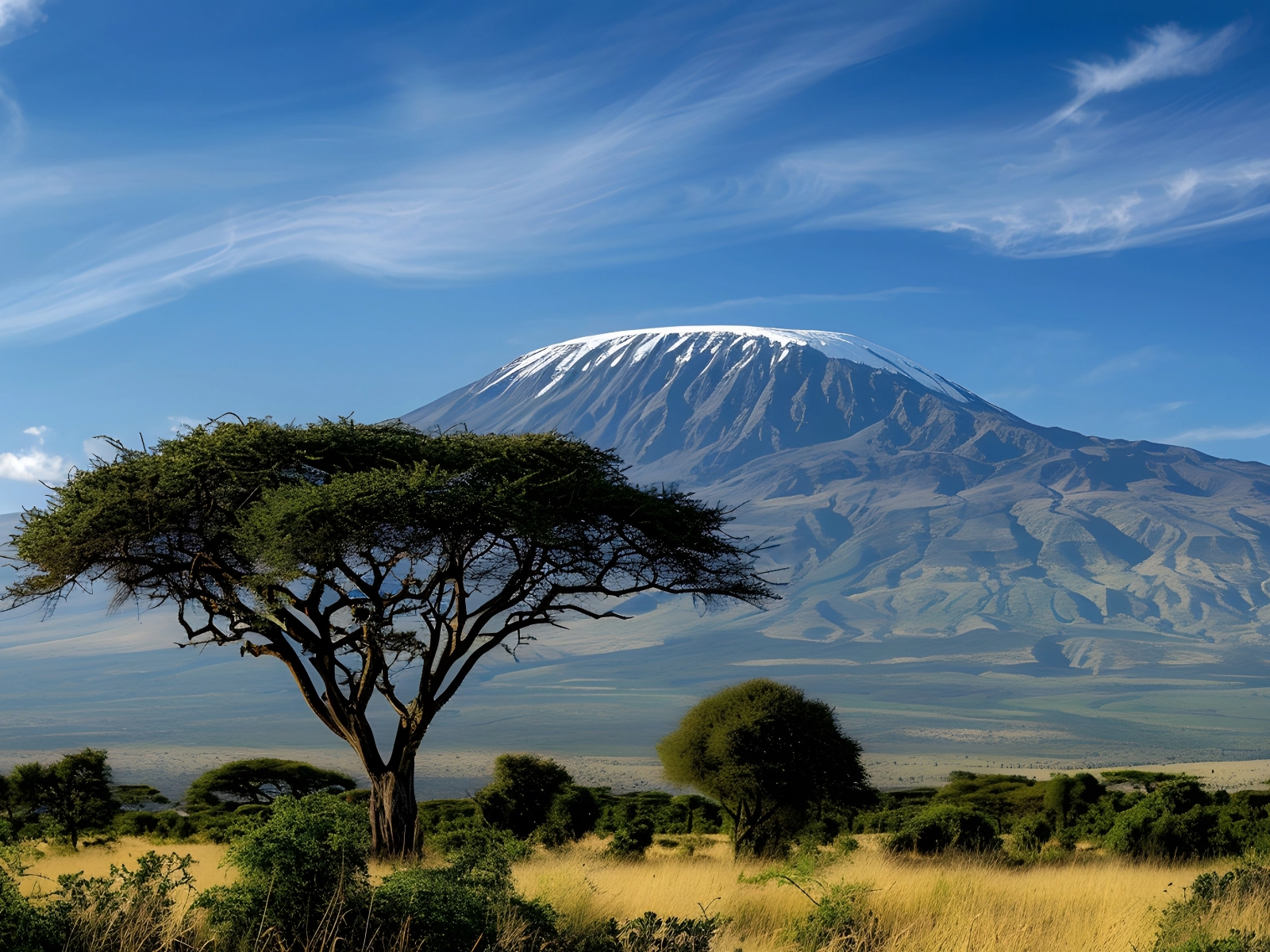
- Full Shira Plateau crossing with unobstructed views of the Kibo summit cone from the west
- Moir Hut (4,200 m) acclimatisation option — a camp shared only with Northern Circuit trekkers
- Lava Tower (4,600 m) included on the main circuit — a critical altitude adaptation point on the southern circuit
- Barranco Wall on Day 4 or 5 — the classic southern circuit scramble shared by Machame, Lemosho, and Northern Circuit
- Merges with Lemosho from Shira Camp onward — same southern circuit scenery with a different first day
- Viable option for trekkers with strong prior altitude experience who want the western approach without the Lemosho forest section