
• Narok County, south-western Kenya
  • 1 trip
  • Park or reserve

Maasai Mara

Kenya's most celebrated reserve, and the northern end of the Serengeti ecosystem. Fifteen hundred square kilometres of grassland, acacia woodland and river country, holding one of the densest concentrations of large mammals left on earth.

Size
1,510 km²
Altitude
1,500 to 2,170 m
Best time
July to October
Getting there
45-minute flight, or 5 to 6 hours by road from Nairobi
Park fees
200 USD per adult per day, non-resident
Main gates
Sekenani, Talek, Oloololo, Musiara
Airstrips
Keekorok, Ol Kiombo, Musiara, Kichwa Tembo
Malaria
Present year round; prophylaxis advised

What it’s known for

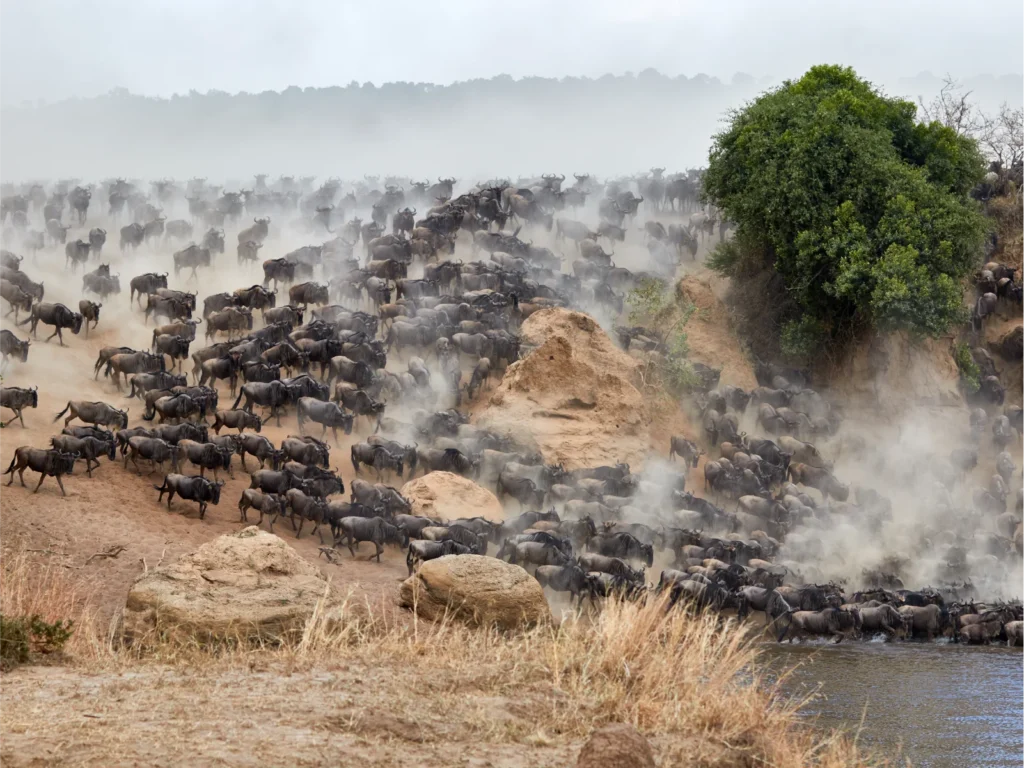
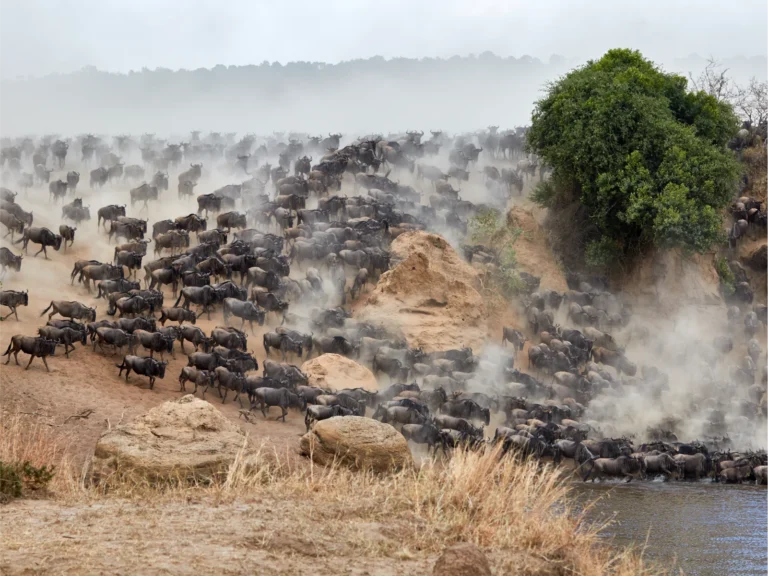
The Maasai Mara is the reserve by which the others are measured. Lion, elephant, buffalo, leopard and rhino all live here, cheetah hunt the open plains, and the predator densities are among the highest ecorded anywhere in Africa. Between July and October the Great Migration arrives from the Serengeti and the Mara and Talek rivers draw the crossings that follow. The reserve divides into areas worth understanding before you book. The Mara Triangle, in the west between the river and the Oloololo escarpment, is managed separately and is noticeably quieter, with stricter rules on off-road driving. The central and eastern sections hold the highest game densities and also the most vehicles at a sighting. The conservancies around the edges — Olare Motorogi, Naboisho, Mara North — are private, cap vehicle numbers, and allow night drives and walking safaris that the national reserve does not.

The Maasai have grazed these plains for centuries and still do along the boundaries. Several conservancies lease their land directly from Maasai landowners, which is part of the reason the ecosystem still exists at this scale.

Top experiences in Maasai Mara

When to go

  • Best time
  • Good
  • Best avoided
  1. Jan Good
  2. Feb Good
  3. Mar Good
  4. Apr Best avoided
  5. May Best avoided
  6. Jun Good
  7. Jul Best time
  8. Aug Best time
  9. Sep Best time
  10. Oct Best time
  11. Nov Good
  12. Dec Good

Best time July to October

The Mara sits high enough that the heat never becomes oppressive: days reach the mid twenties Celsius and nights drop to around twelve, so a fleece earns its place in the bag. The long rains fall from March to May and the short rains in November and December, usually as afternoon downpours rather than all-day grey. The landscape is greenest straight after rain and most photogenic in the low light of the dry months, when dust hangs in the air.

Where it is

Where to stay

  • Mid-range
    • Mara Serena Safari Lodge Mara Triangle, on a ridge above the Mara River

Maasai Mara trips

  • 6 days, 5 nights Adjustable

    Route: Nairobi to Nairobi

    6-Day Maasai Mara Explorer Safari

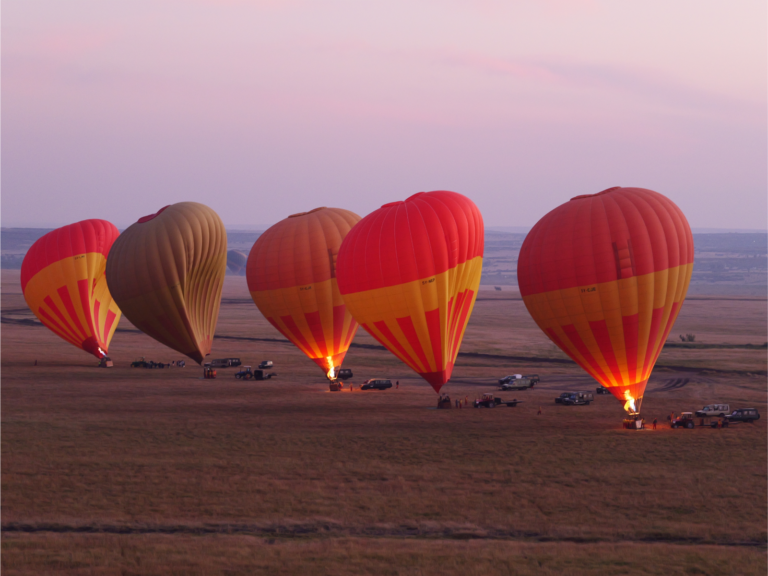
    Six days in Kenya's most famous reserve, with a balloon flight over the plains at dawn and three full days of game drives from a lodge inside the Mara Triangle.

    Kenya Easy

    from · Per person sharing, low season US$ 3,450

Before you go

Entry rules and fees for Maasai Mara, from the authority that sets them.

Information changes. Always verify with the official portal. We link to it directly, never to third-party visa sites.

  • Entry requirements Most visitors need an Electronic Travel Authorisation (eTA) before boarding, applied for online and usually approved within three days. A passport valid for at least six months beyond arrival is required, with two blank pages. Yellow fever vaccination is required only for travellers arriving from a country with risk of transmission. Citizens of East African Community states are exempt from the eTA. Checked November 19, 2026
  • eTA, standard USD 34 Person
  • eTA, transit USD 2 Person
  • East African Community citizens Free Person
  • Official source Directorate of Immigration Services, Republic of Kenya (opens in a new tab)

Tell us your dates. We will build the Maasai Mara trip around them.

Free quote. No commitment. Tell us your dates, a rough budget and who is coming.

Rates By Exchange Rate API