
- Educational travel for schools
Educational school trips in Kenya and beyond
Curriculum-linked field trips, residential programmes and international study tours for primary, junior, senior and international schools. Every one of our school trips, in Kenya or abroad, is planned in Nairobi around your learning objectives, your term dates and your safeguarding policy.
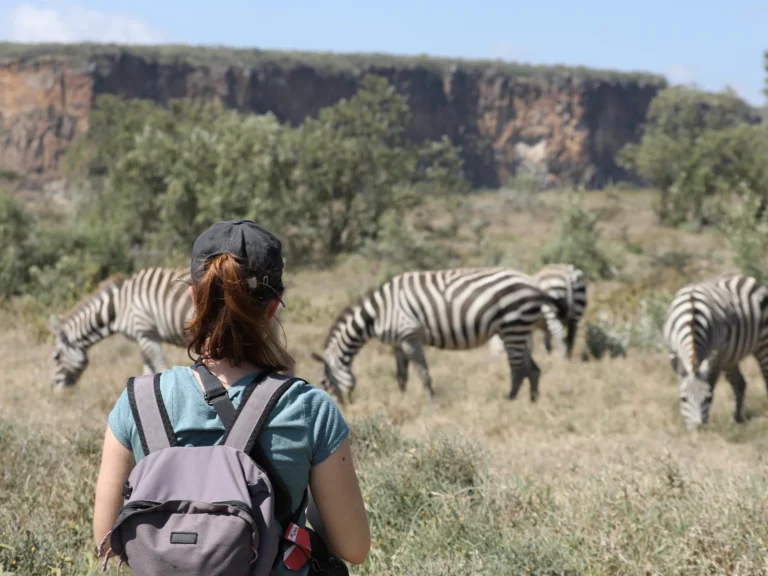
Learning on foot: a walking safari
- Learners
- Primary to senior school
- And college groups, ages about 6 to 18
- Curricula
- CBE, Cambridge, IB, British, American
- Planned to your scheme of work
- Where
- Kenya, Tanzania, Uganda, abroad
- From Nairobi day trips to Yale
- Reply
- Within 12 hours
- By WhatsApp, email or phone
TripGenius educational travel
Purposeful trips, planned with teachers
A good school trip starts with a learning objective, not a destination. Tell us what your learners are studying and what they should be able to explain, measure or do by the end, and we build the visit around it: the sites, the order, the timing, the guides and the time set aside for teaching.
TripGenius Travel is a Kenyan-registered tour operator, licensed by the Tourism Regulatory Authority and based in Nairobi. One team plans educational tours in Kenya and travel from Kenya to the rest of the world, so a day at Hell's Gate and a study tour to London are planned to the same standard.
Learning first
Objectives agreed with your teachers before an itinerary is drafted.
Safety built in
Daylight road travel, a clear supervision plan and the information your risk assessment needs.
Logistics handled
Transport, rooms, meals, fees, guides and documents, arranged by one team.
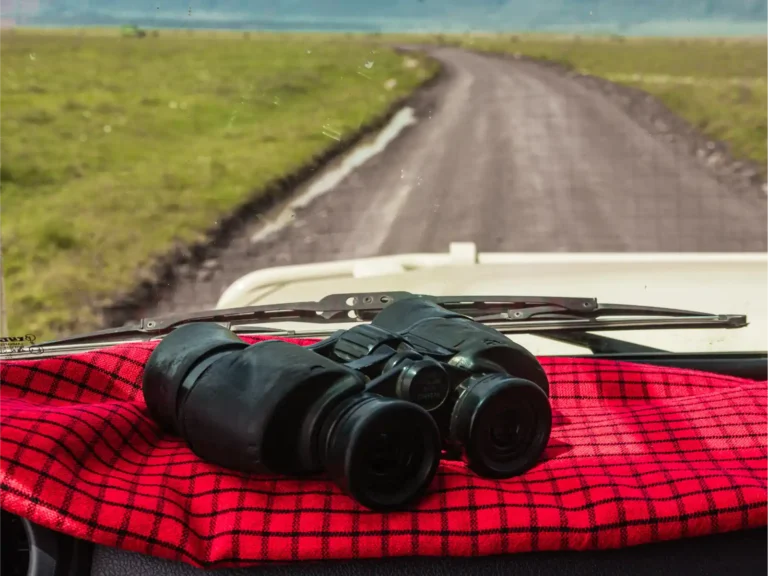
Binoculars ready on a game drive
What the research says
Well-planned trips do more than enrich a term. Three studies schools often cite:
1 visit
A single museum visit measurably strengthened pupils' critical thinking, tolerance and historical empathy, in a randomised study of nearly 11,000 pupils.
Source: Greene, Kisida and Bowen, Education Next (2014) (opens in a new tab)
3 trips
Primary pupils randomly given three cultural field trips in a school year later had higher test scores and course grades, fewer absences and fewer behaviour incidents.
Source: Erickson, Watson and Greene, Journal of Human Resources (2024) (opens in a new tab)
Built in
England's schools inspectorate found that learning outside the classroom raised standards and pupils' personal development most when it was planned into the curriculum and linked to lessons.
Source: Ofsted, Learning outside the classroom (2008) (opens in a new tab)
In Kenya, Tanzania and Uganda
School trips in Kenya and East Africa
Savannah and rainforest, volcanoes and soda lakes, coral reefs and centuries of Swahili history: the case studies in your learners' textbooks are a day's travel or a short flight away. We plan school trips in Kenya as day excursions and residential programmes, and East Africa educational tours that cross into Tanzania and Uganda.
Wildlife and conservation
Ecology, adaptation and the hard choices of conservation, studied where they happen: in a national park on the edge of a capital city, in a nursery raising orphaned elephants, and in conservancies where landowners and wildlife share the land.
Suits: Upper primary day trips to senior field courses
Learners will
- observe and record species, behaviour and habitat, then explain food chains and adaptation from what they saw
- compare ways of protecting wildlife: national parks, private and community conservancies, rescue and rehabilitation
- weigh the pressures on habitats, from urban growth and land use to climate and poaching
- hear keepers and guides explain their work, and the careers behind it
 Kenya
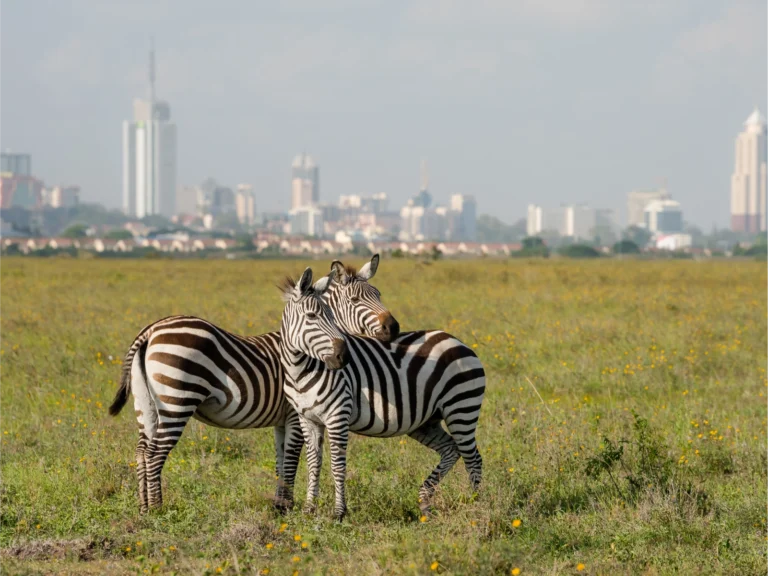
Nairobi National Park
Lions, rhinos and giraffes in sight of the city: a working case study in urban wildlife and human-wildlife conflict.
 Kenya
Sheldrick Trust elephant nursery
Orphaned elephants raised for a return to the wild. The public visit runs daily from 11am to noon, booked in advance.
 Kenya
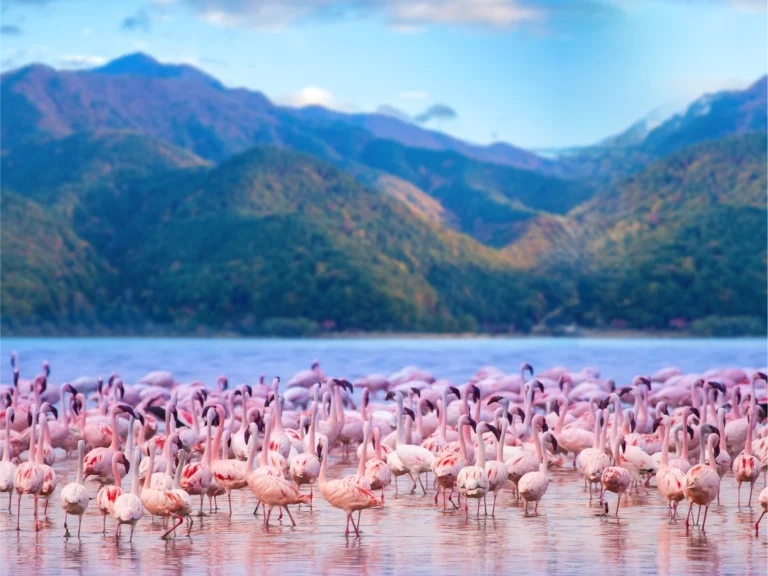
Lake Nakuru National Park
Rhinos, flamingos and a soda lake whose surface grew by 91% between 2009 and 2022: ecology and climate in one park.
 Kenya
Ol Pejeta Conservancy
Home to the last two northern white rhinos, and to Sweetwaters, the only place in Kenya to see chimpanzees.
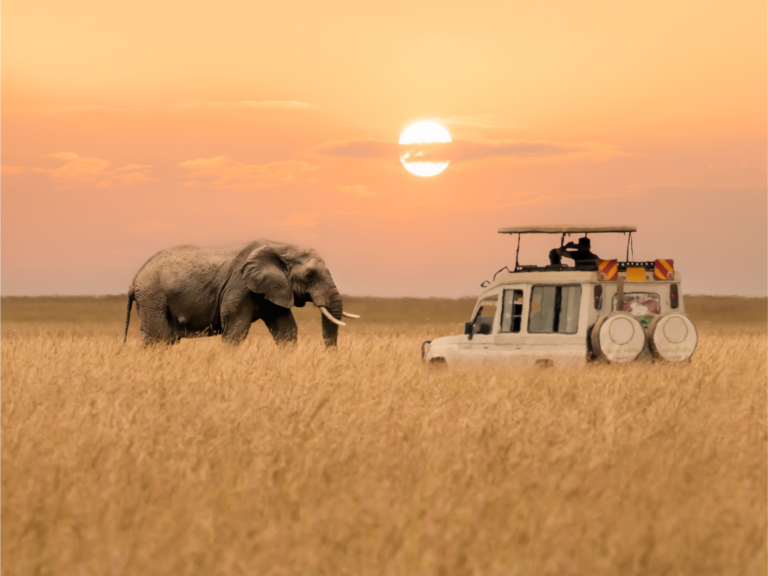 Kenya
Maasai Mara
Predators and prey on open grassland, the Great Migration from July to October, and conservancies that lease land from Maasai families for wildlife.
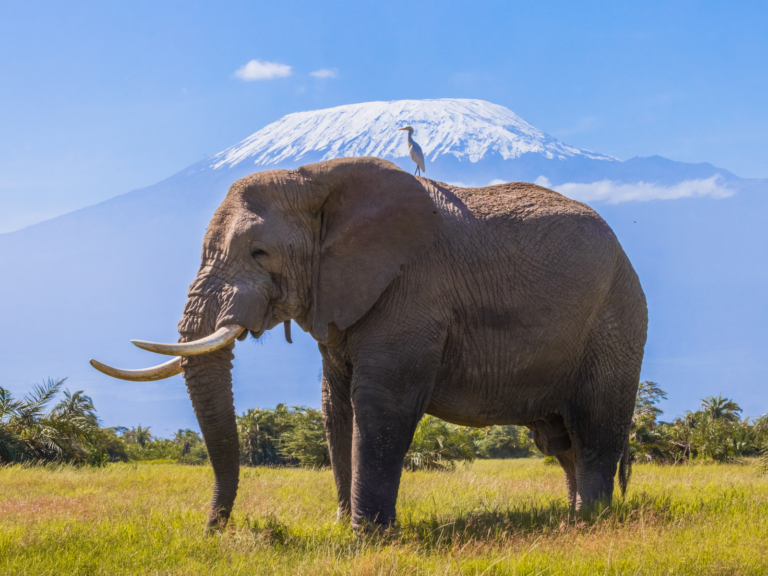 Kenya
Amboseli National Park
Elephant families below Kilimanjaro, and swamps fed by water filtering down from the mountain: water, wildlife and climate.
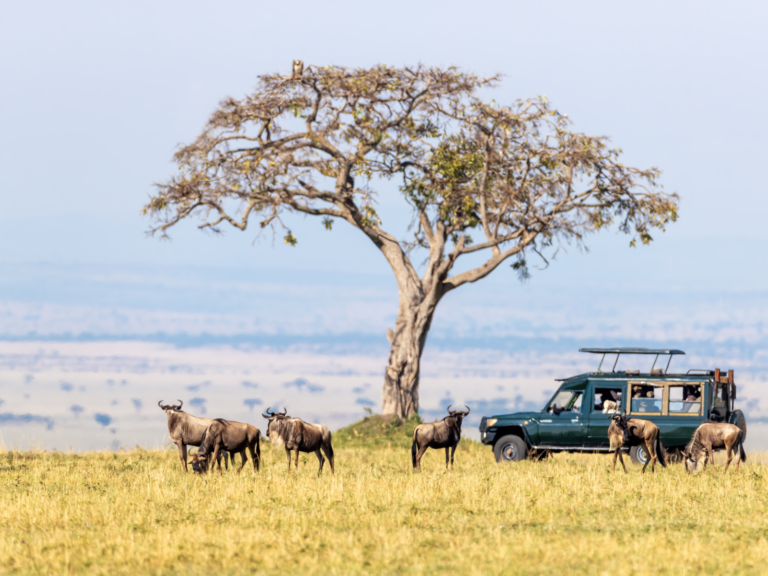 Tanzania
Serengeti National Park
The migration's southern range, for cross-border programmes that compare how two countries protect one ecosystem.
 Uganda
Bwindi Impenetrable National Park
Mountain gorillas in their forest. Gorilla trekking is for learners aged 15 and over, under Uganda Wildlife Authority rules.
Geography, history and culture
Landforms, settlement, heritage and identity, on the ground where they formed and happened: the Rift Valley's volcanoes and lakes, the sites of early human history, the Swahili coast and the institutions that govern Kenya today.
Suits: Upper primary to senior school, and IGCSE and IB fieldwork
Learners will
- identify Rift Valley landforms and explain how faulting and volcanic activity made them
- collect and analyse field data on water, land use, settlement and tourism
- trace human history from early tool-makers to Swahili trading towns and the colonial era
- see how Kenya is governed, from the county to Parliament's public gallery
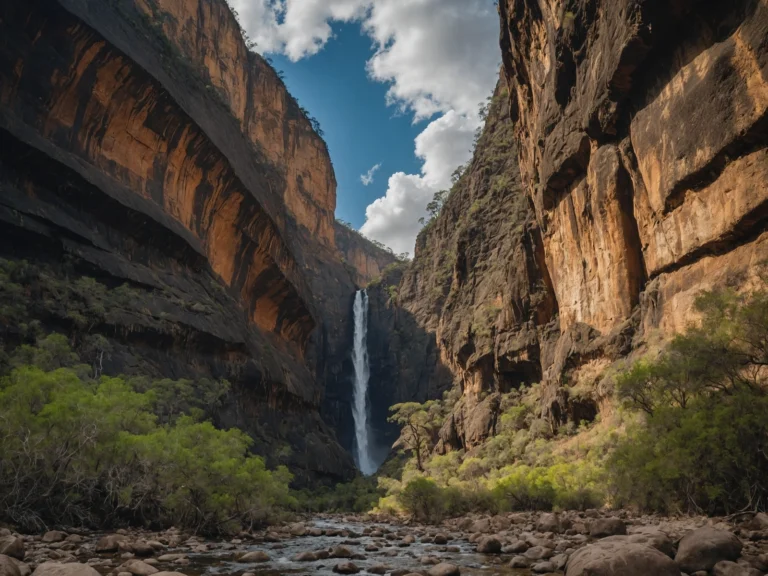 Kenya
Hell's Gate and Olkaria
Gorges, volcanic plugs and the geothermal fields that make Kenya Africa's largest producer of geothermal power.
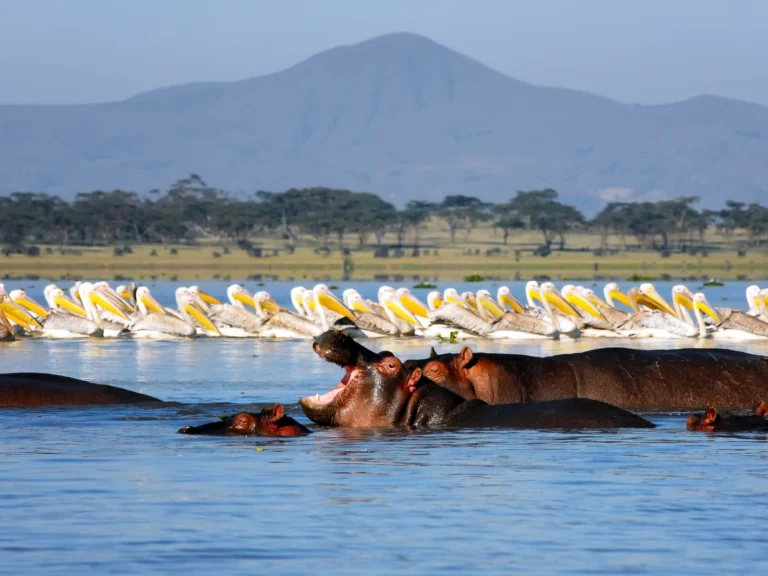 Kenya
Lake Naivasha
A freshwater lake in a valley of soda lakes, ringed by flower farms: water, trade and land use in one study.
 Kenya
Lake Bogoria
Hot springs and geysers on a soda lake, part of the Kenya Lake System World Heritage Site with Nakuru and Elementaita.
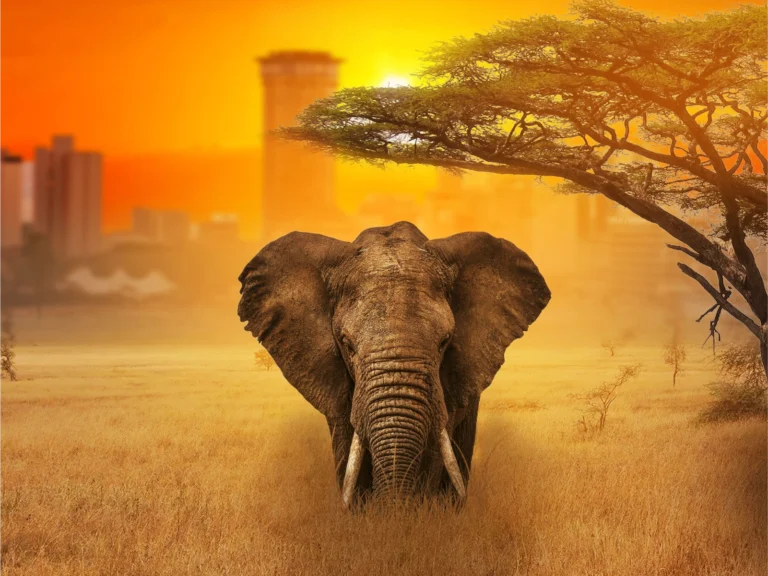 Kenya
Nairobi
The National Museum and its Snake Park, Bomas of Kenya, and Parliament, where school groups watch debates from the public gallery.
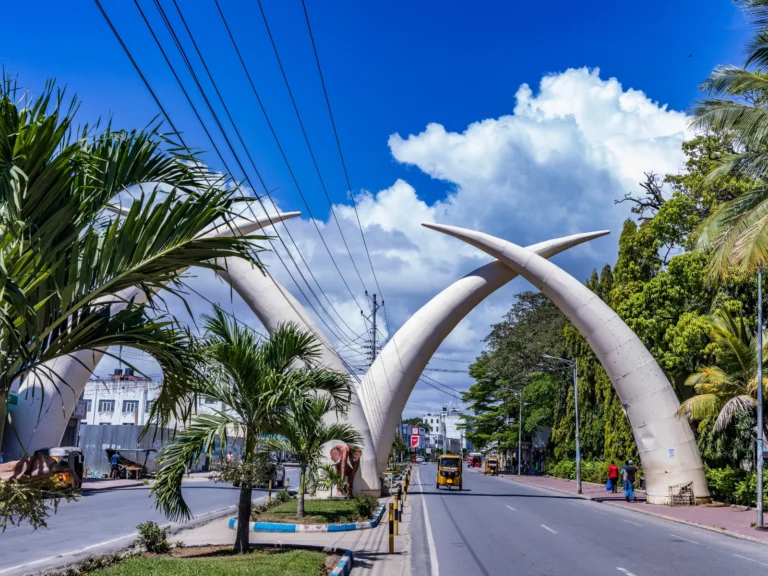 Kenya
Mombasa
Fort Jesus, built by the Portuguese in the 1590s and now a World Heritage Site, and the narrow streets of the Old Town.
 Kenya
Lamu Old Town
The oldest and best-preserved Swahili town in East Africa, and a UNESCO World Heritage Site.
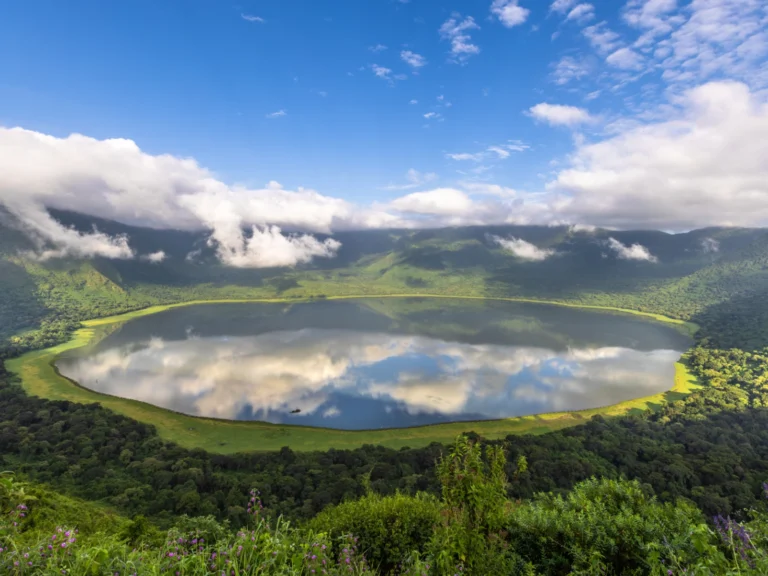 Tanzania
Olduvai Gorge and Ngorongoro
One of the world's key sites for the study of human origins, inside the Ngorongoro Conservation Area.
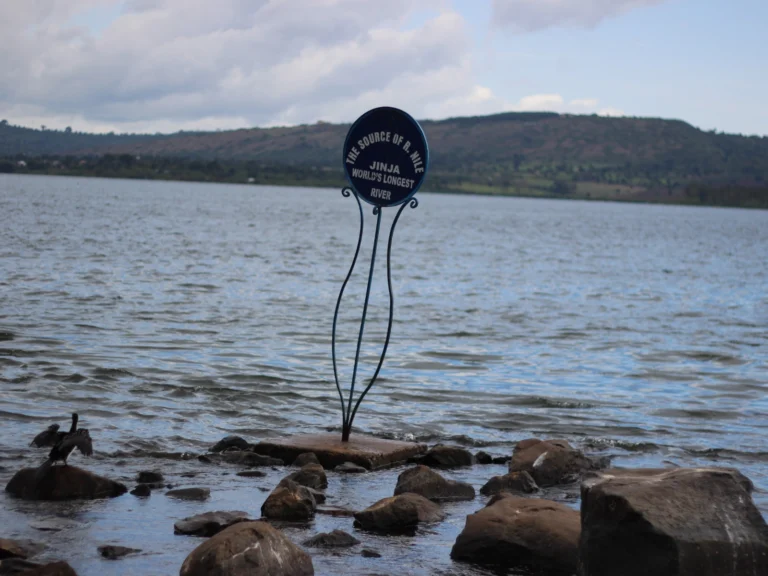 Uganda
Jinja and the Nile
Where the Nile leaves Lake Victoria on its way north: rivers, energy and the history of exploration.
Adventure and outdoor education
Teamwork, resilience and responsibility, learned by doing: walking and cycling among wildlife at Hell's Gate, crater-rim hikes, forest trails, marine parks and, for older learners, mountain expeditions.
Suits: Junior and senior school, and President's Award groups
Learners will
- plan and complete a demanding day or expedition as a team
- read terrain and weather, follow guides' briefings and manage risk
- build confidence, independence and leadership, with every learner given a role
- practise leave-no-trace habits in protected areas
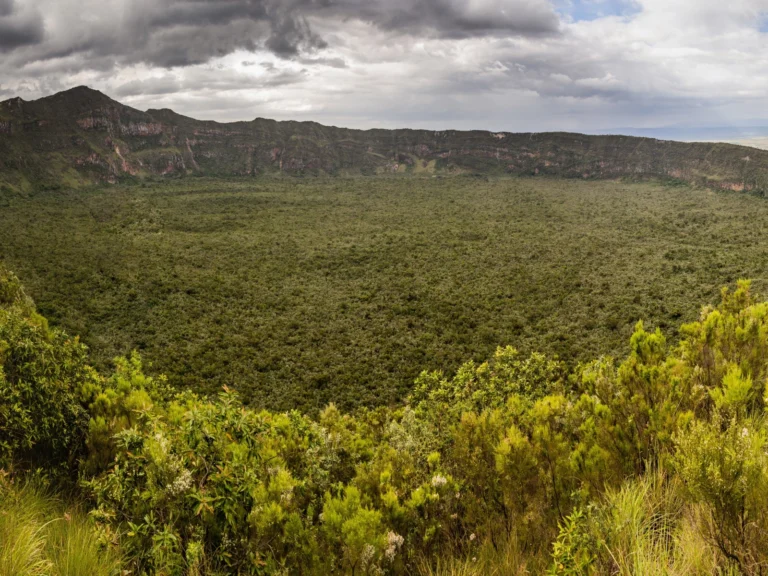 Kenya
Mount Longonot
A steep climb to a volcanic crater rim and the walk around it, with views across the Rift Valley.
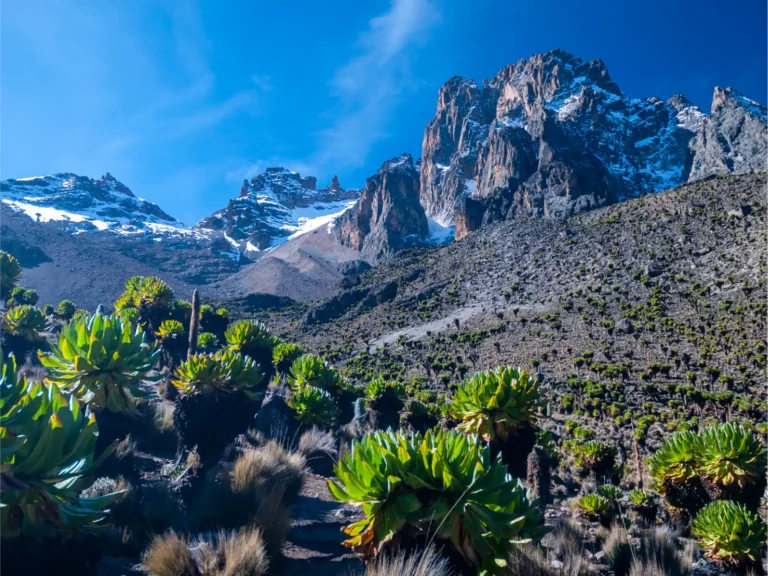 Kenya
Mount Kenya
Forest, bamboo, moorland and giant lobelias on one climb, and a glacier expected to vanish within a few years.
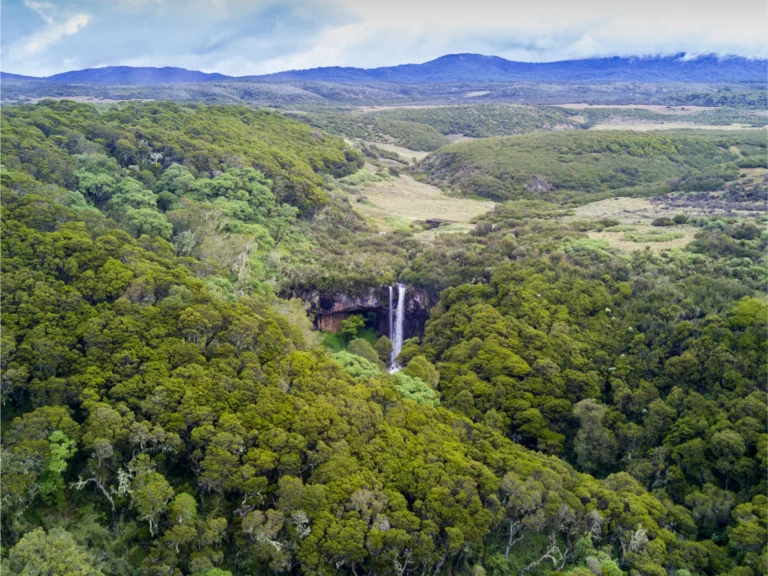 Kenya
Aberdare National Park
Moorland, waterfalls and forest: expedition country used for President's Award adventurous journeys.
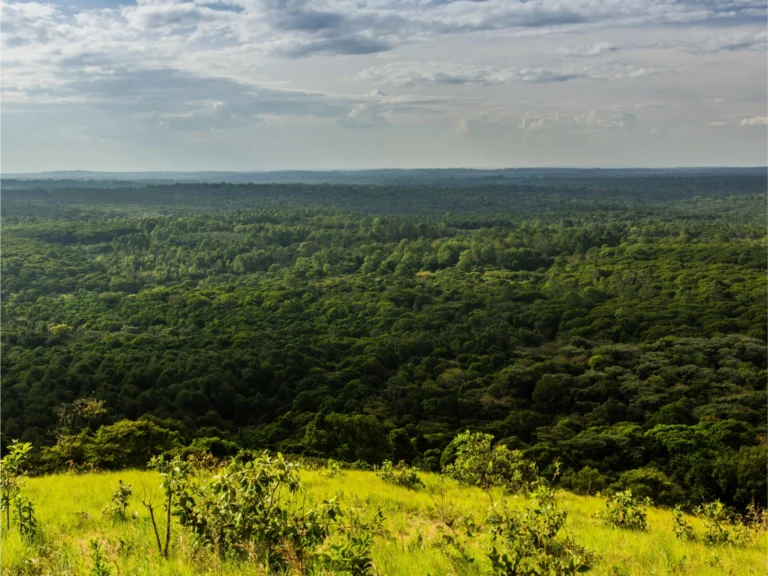 Kenya
Kakamega Forest
Rainforest trails, primates and birdsong in western Kenya, for walks with forest guides.
 Kenya
Chyulu Hills
Young volcanic hills of forest and grassland between Amboseli and Tsavo West: walking country.
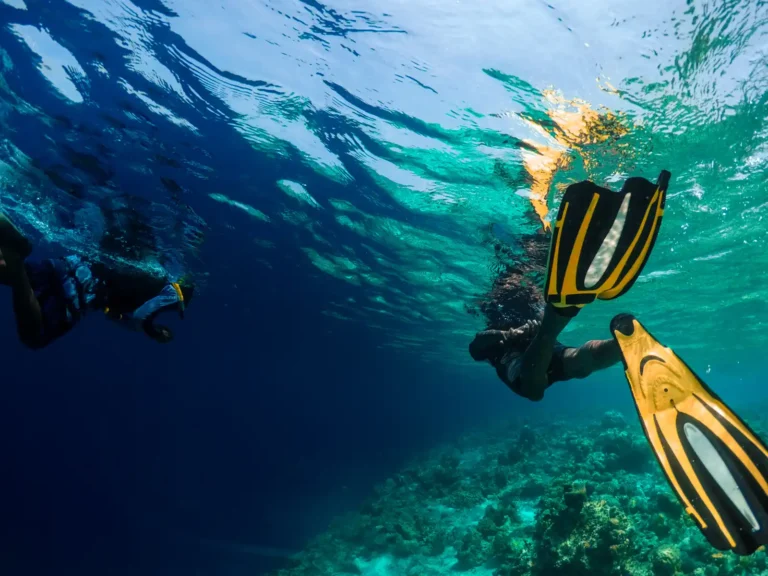 Kenya
Watamu Marine National Park
Snorkelling over coral for confident swimmers, with marine park guides and a briefing on reef ecology.
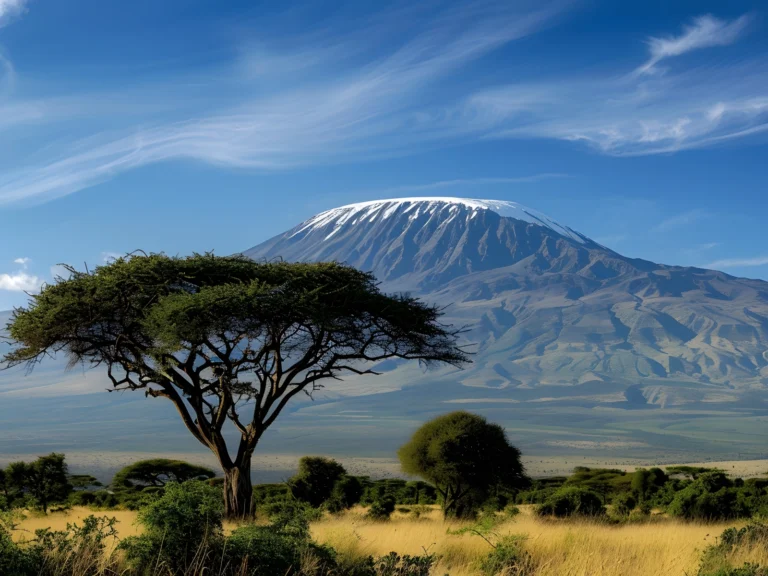 Tanzania
Kilimanjaro
Africa's highest mountain, for prepared senior groups with time to acclimatise.
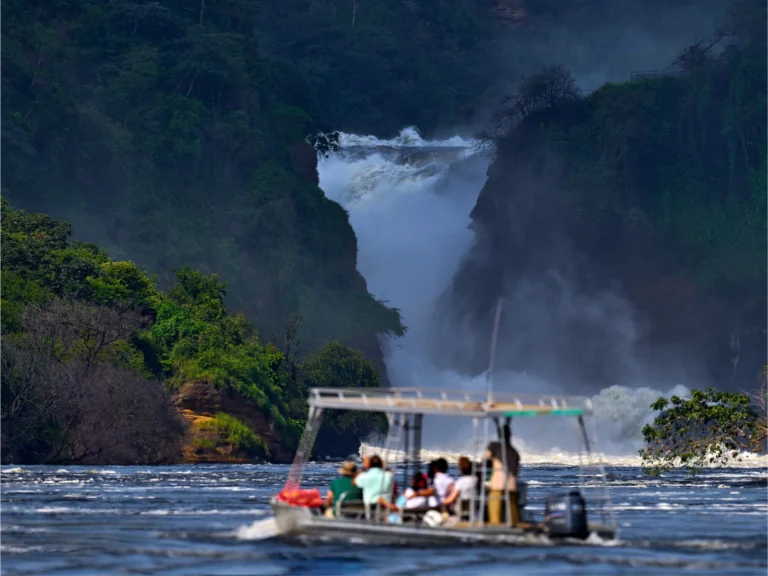 Uganda
Murchison Falls
By boat to the foot of the falls, where the Nile forces its way through a narrow gap in the rock.
International study tours
International school trips from Kenya
Study tours abroad built around a subject, with flights from JKIA, visas, accommodation, transfers and timed entry to the sites that matter for your syllabus, in Asia, Europe, the Middle East, the Americas and South Africa.
STEM, technology and innovation
International STEM trips for students, built around engineering, energy, space and data at the scale of cities and national programmes: what classroom physics, chemistry, biology and computing look like when they are put to work.
Suits: Upper primary to senior school; some programmes have their own age limits
Learners will
- see engineering, energy and transport systems working at city scale
- explore sustainability as a design problem: water, energy, food and buildings
- connect lessons in physics, biology and computing with the institutions that use them
- explore the university courses and careers behind the exhibits
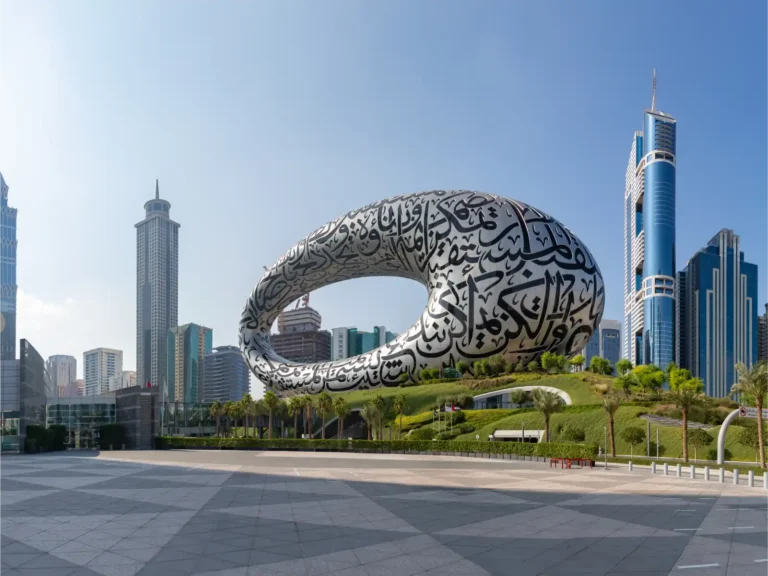 UAE
Dubai
The Museum of the Future, Expo City Dubai and the engineering of the Burj Khalifa, about five hours from Nairobi.
 Singapore
Gardens by the Bay's climate-controlled conservatories, Science Centre Singapore and a city planned around water and green space.
 USA
United States
Kennedy Space Center, which runs camps for international groups aged 10 and over, and the Smithsonian museums in Washington.
 UK
United Kingdom
The Science Museum, the Natural History Museum, the Royal Observatory at Greenwich and Bletchley Park, home of the wartime codebreakers.
 France
 and Switzerland
CERN's Science Gateway near Geneva, free and booked by schools themselves, with Paris and its Cité des sciences.
 China
China
Shanghai's science and technology museum and the high-speed railways that link China's cities.
History, archaeology and civilisation
The ancient world, empires, faiths and the struggles that shaped modern states, seen in the places themselves.
Suits: Junior and senior school
Learners will
- read a site as evidence: buildings, objects and landscapes
- compare civilisations and empires across continents and centuries
- trace how societies change, and how they choose to remember their past
- connect world history with Kenya's own story
 Italy
Rome and Pompeii
The Colosseum, the Roman Forum, the Pantheon and the excavated streets of Pompeii.
 Turkey
Istanbul and Ephesus
Hagia Sophia and Topkapi Palace in a city on two continents, and the Roman ruins of Ephesus.
 China
Beijing and Xi'an
The Great Wall, the Forbidden City and the Terracotta Army: two thousand years of Chinese history.
 UK
London
The British Museum, the Tower of London and Westminster, and the history of the empire Kenya was once part of.
 South Africa
Johannesburg and Cape Town
The Apartheid Museum, Constitution Hill and Robben Island, and the fossil caves of the Cradle of Humankind. No visa for Kenyans.
 France
Paris and Normandy
The Louvre's collections and the Normandy beaches of the D-Day landings of 1944.
Culture, language and global exchange
Language learning with a purpose, and a first-hand understanding of how other societies live, believe and organise themselves. Practise French in France, Mandarin in China or Arabic in the Gulf, and meet the cultures behind the vocabulary.
Suits: Upper primary to senior school
Learners will
- use the language they study in real situations, from ordering a meal to asking the way
- compare customs, beliefs and ways of life with respect and curiosity
- reflect on their own identity as Kenyans and as global citizens
- gain the confidence that comes from finding their way somewhere new
 France
French in daily use in Paris and the regions, from markets and museums to conversations with French speakers.
 China
China
Mandarin in context, traditional architecture and festivals, and a country changing faster than any textbook.
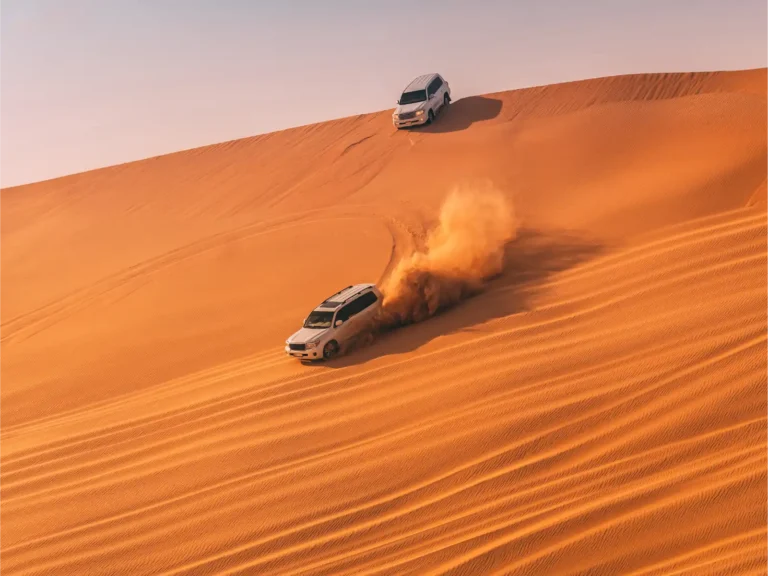 UAE
Dubai and the UAE
Arabic and Emirati heritage at the Al Shindagha Museum, the founding of the UAE at the Etihad Museum, and the desert.
 Thailand
Buddhist temples, the old royal capital of Ayutthaya and Thai daily life, from markets to monasteries.
- Malaysia
Malaysia
Kuala Lumpur and the old trading cities of Malacca and George Town: Malay, Chinese and Indian cultures side by side.
 Turkey
Istanbul, where Europe meets Asia: faith, food and the bazaars, about seven hours from Nairobi.
Leadership, global citizenship and personal development
Trips that ask learners to take responsibility: Model United Nations conferences, visits to parliaments and international organisations, academic competitions and expeditions, and the everyday leadership of looking after each other far from home.
Suits: Junior and senior school
Learners will
- debate global issues and represent a point of view under pressure
- see how parliaments and international organisations make decisions
- lead, follow and support others as part of a team
- reflect on their values and the difference they can make
- Worldwide
Model United Nations
Flights, rooms and transfers for delegations registered at Model United Nations conferences abroad.
 USA
New York
Guided tours of the United Nations Headquarters, and the universities of the north-east.
 UK
London
Parliament, the courts and the institutions of one of the world's oldest parliamentary democracies.
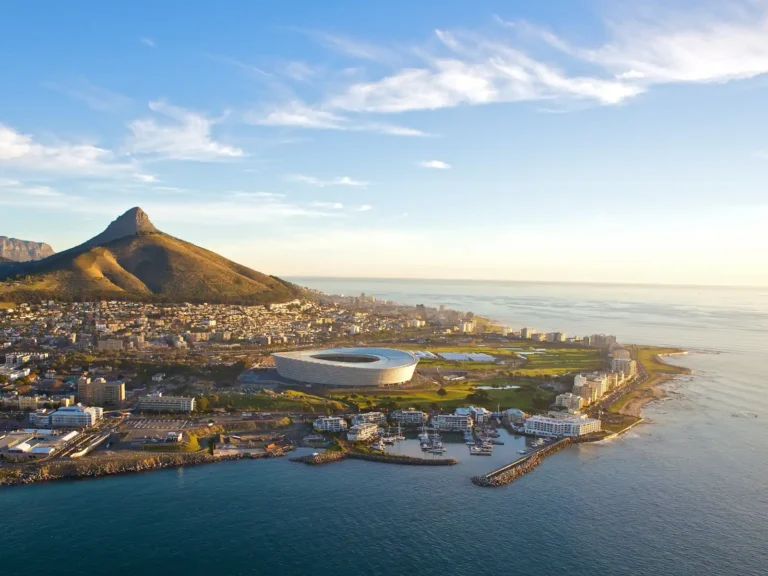 South Africa
Cape Town
Robben Island and the story of a negotiated constitution: leadership, forgiveness and the making of a democracy.
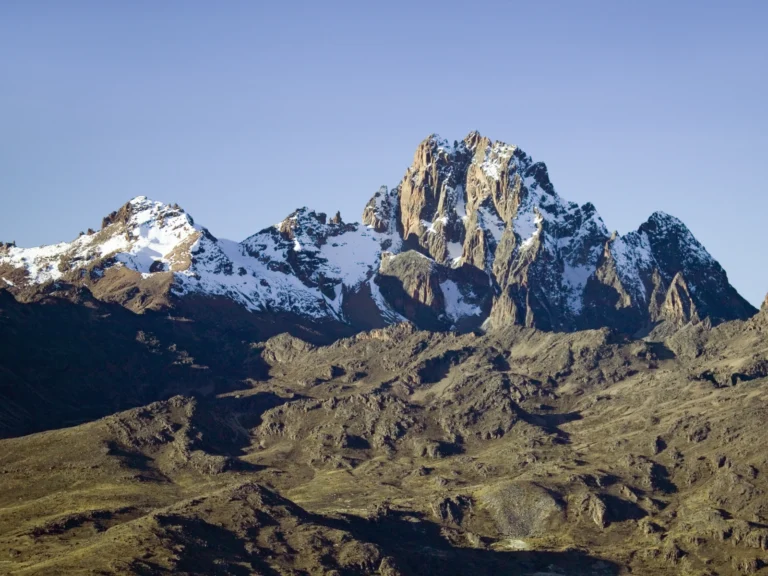 Kenya
Closer to home
Parliament's public gallery in Nairobi, and President's Award adventurous journeys on Mount Kenya or in the Aberdares.
- Worldwide
World Scholar's Cup
Travel for delegations to Global Rounds and to the Tournament of Champions at Yale.
Taking a team to the World Scholar's Cup? See our arrangements
Visas and documents for learners travelling from Kenya
The entry rules for Kenyan passport holders, as we confirm them for each trip. Rules change, so we check them again before every booking.
| Destination | Kenyan passport holders | Plan for |
|---|---|---|
| United Arab Emirates | Visa before travel | Arranged before you fly; a visa on arrival is only for Kenyans who also hold certain residence permits. |
| Singapore | No visa for a short visit | SG Arrival Card within three days before arrival, and a yellow fever vaccination certificate. |
| Malaysia | No visa for up to 30 days | Malaysia Digital Arrival Card before arrival, and a yellow fever vaccination certificate. |
| Thailand | e-Visa before travel | Apply online, then the Thailand Digital Arrival Card before arrival. |
| United Kingdom | Standard Visitor visa, GBP 135 | Apply online, biometrics in Nairobi. Each learner's application names the adult they travel with. |
| Schengen area: France, Italy, Switzerland and more | Schengen visa | The EU visa fee is waived for school pupils and accompanying teachers on educational trips. Apply up to six months ahead and at least 15 days before; decisions usually take 15 days, up to 45. Travel insurance with at least EUR 30,000 of medical cover. |
| United States | B1/B2 visa, USD 185 | Most applicants, children included, attend an interview at the US Embassy in Nairobi. Allow the longest lead time. |
| Turkey | e-Visa before travel | Apply online before you fly. |
| China | Visa before travel | Apply through the Chinese Embassy in Nairobi, with flight details and travel insurance. |
| South Africa | No visa, up to 90 days a year | Learners travelling without their parents need parental consent documents. |
| Tanzania and Uganda | No visa | A passport or a Kenyan East African temporary permit; borders may check yellow fever certificates. |
Clearance for learners travelling abroad
Kenya's Ministry of Education guidelines for learners travelling out of the country ask schools to prepare a file for every trip abroad. We help you put it together:
- a letter from the school, and a list of learners with dates of birth and copies of their birth certificates and passports
- parental consent for every learner, and clearance from the Director of Children Services
- an invitation letter from the host institution, and medical insurance for every learner
- clearance from the Teachers Service Commission for accompanying teachers, and both male and female staff when a group includes boys and girls
- no more than two weeks away during term, or three weeks in the holidays
Sample programmes
Featured school trips and learning experiences
Starting points for school trips in Kenya and abroad, adapted to your learners, curriculum, dates and budget. Each is built around a learning objective, and any of them can be shortened, extended or combined.
 Day trip
Wildlife and conservation
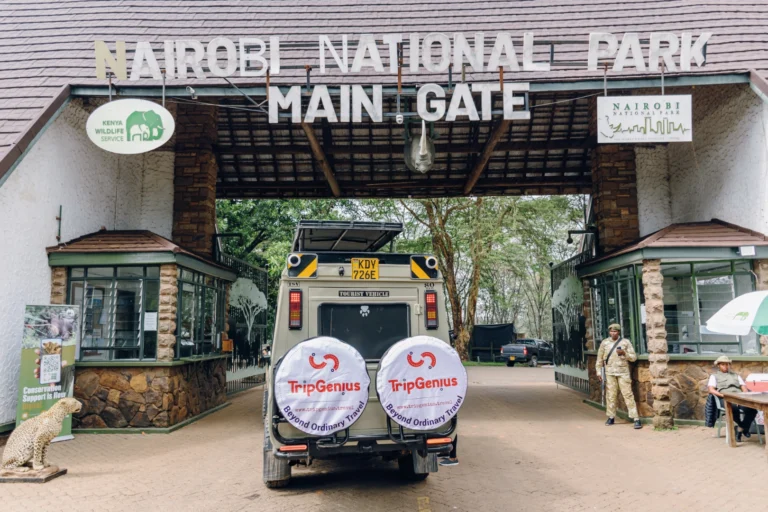
Nairobi in a day: wildlife on the city's edge
A morning game drive in Nairobi National Park, the Sheldrick Trust's 11am elephant nursery visit and, time allowing, the Giraffe Centre.
- map how a national park survives beside a capital city
- learn how orphaned elephants are raised and returned to the wild
- record species and behaviour on a field sheet
Suits: Grades 4 to 9
- 3 days
Geography, history and culture
Rift Valley field study: Hell's Gate, Naivasha and Nakuru
Volcanic landforms and geothermal energy at Hell's Gate and Olkaria, water and land use at Lake Naivasha, and a soda lake ecosystem under change at Lake Nakuru.
- sketch and explain Rift Valley landforms
- measure and compare water and land use at two lakes
- evaluate how rising lake levels affect wildlife and people
Suits: Grades 7 to 12
 3 or 4 days
Wildlife and conservation
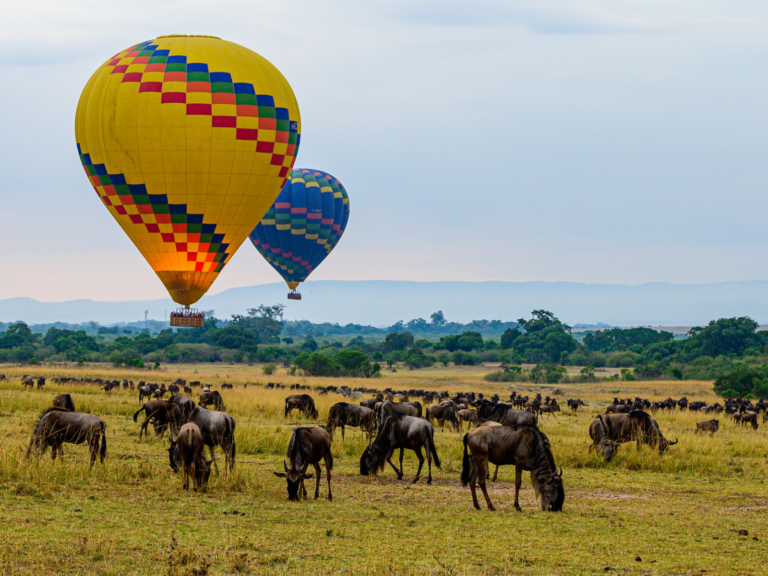
Maasai Mara: savannah ecology and conservancies
Game drives with a field notebook, predator and prey on open grassland, and the community conservancies that pay Maasai landowners to keep space for wildlife. From July to October, the Great Migration.
- record and analyse predator and prey sightings
- compare a national reserve with community conservancies
- debate the costs and benefits of tourism for local communities
Suits: Grades 7 to 12
 3 days
Wildlife and conservation
Ol Pejeta and Mount Kenya: rhinos, chimpanzees and climate
The last two northern white rhinos and the science working to save their subspecies, Kenya's only chimpanzee sanctuary, the Equator at Nanyuki and the forests of Mount Kenya.
- explain extinction risk and assisted reproduction in plain terms
- compare how habitats change with altitude
- weigh the evidence of a shrinking glacier
Suits: Grades 6 to 12
 4 or 5 days
Geography, history and culture
The Swahili coast: Fort Jesus, Gedi and Watamu
Centuries of Indian Ocean trade and conflict at Fort Jesus and in Mombasa's Old Town, the ruined Swahili town of Gedi, and reef and mangrove ecology in Watamu's marine park.
- use buildings and objects as historical evidence
- explain the Indian Ocean trade and its legacy
- survey a reef or mangrove habitat
Suits: Grades 6 to 12
- 6 days
Geography, history and culture
Human origins: Olorgesailie, Olduvai and Ngorongoro
Hand axes made by early humans at Olorgesailie, under two hours from Nairobi, then across the border to the Olduvai Gorge museum and the Ngorongoro Crater.
- describe how tools and fossils show change over time
- connect geology, climate and human evolution
- compare how Kenya and Tanzania protect their heritage
Suits: Grades 9 to 12
 5 days
Geography, history and culture
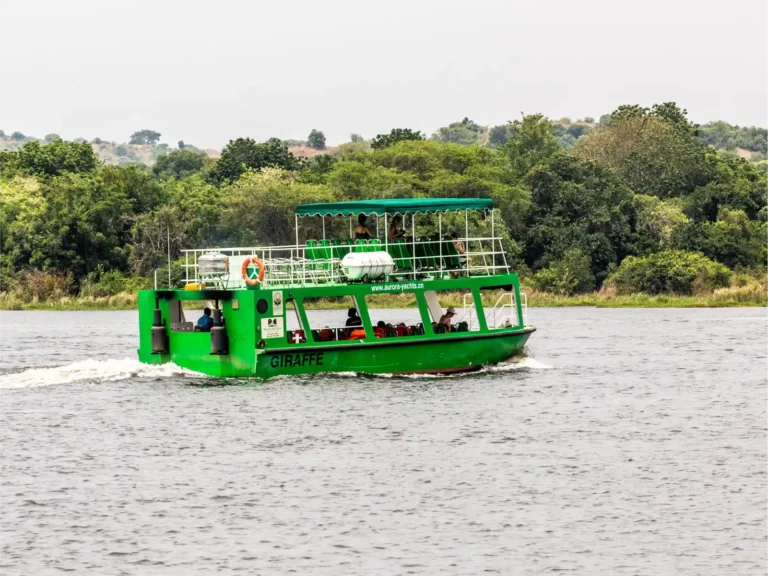
Uganda: the Nile from Jinja to Murchison Falls
Where the Nile leaves Lake Victoria at Jinja, the Uganda Wildlife Conservation Education Centre at Entebbe, and Murchison Falls by boat.
- follow a river system from source to falls
- see how wildlife rescue and conservation education work
- compare Uganda's parks with Kenya's
Suits: Grades 7 to 12
 6 days
STEM, technology and innovation
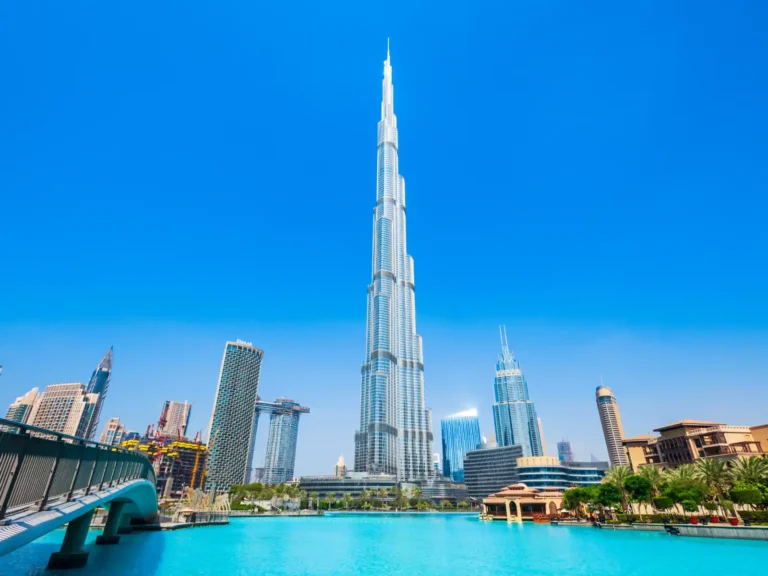
Dubai: innovation, energy and the future city
The Museum of the Future, Expo City Dubai, the engineering of the Burj Khalifa, the founding of the UAE at the Etihad Museum, and an evening in the desert.
- examine how a desert city manages energy, water and heat
- trace the UAE's story from its founding in 1971
- explore careers in engineering, design and technology
Suits: Grades 6 to 12
 7 days
STEM, technology and innovation
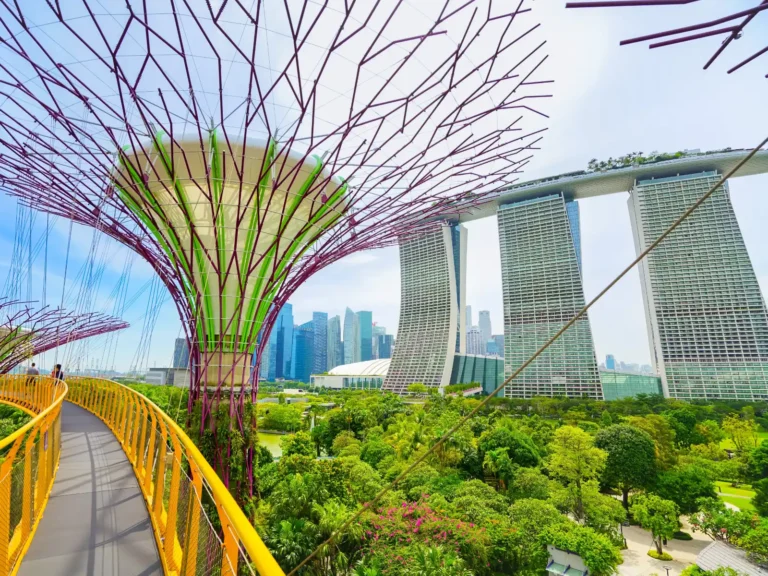
Singapore: a smart, green city
Gardens by the Bay's conservatories and Supertrees, Science Centre Singapore, the Singapore Botanic Gardens, a World Heritage Site, and a city planned for density, transport and green space.
- investigate how a small, dense country plans land, water and transport
- compare tropical ecosystems indoors and out
- test ideas at hands-on science exhibitions
Suits: Grades 7 to 12
 8 days
History, archaeology and civilisation
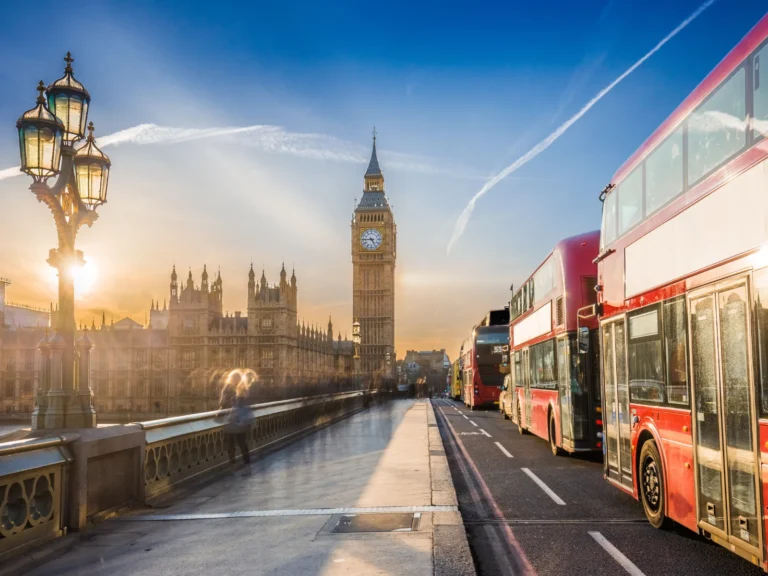
London: science, history and Parliament
The Science Museum and Natural History Museum, the Royal Observatory and the Prime Meridian at Greenwich, the British Museum, Westminster and a day in Oxford or Cambridge.
- use museum collections as evidence in science and history
- stand on the Prime Meridian and explain time zones
- see how a parliamentary democracy works
Suits: Grades 7 to 12
 9 or 10 days
STEM, technology and innovation
USA: space science and the Ivy League
A Kennedy Space Center camp for international groups, the Smithsonian museums in Washington and the universities of the north-east, including Yale.
- work through hands-on engineering and space challenges
- trace the history of flight and space exploration
- find out what studying in the United States involves
Suits: Ages 10 to 17
 6 days
History, archaeology and civilisation
Rome and Pompeii: the ancient world
The Colosseum, the Roman Forum and the Pantheon, the Vatican Museums, and a day in the excavated city of Pompeii.
- read buildings and ruins as historical sources
- explain how Roman engineering shaped later cities
- connect classical history with art and religion
Suits: Grades 7 to 12
Grades follow Kenya's Competency-Based Education; we match the equivalent year groups for Cambridge, IB, British and American schools. Prices depend on group size, dates and inclusions, so every programme is quoted per learner.
School trips from TripGenius
Trips you can book as they stand, or use as a starting point.
Learning outcomes
What learners bring back to the classroom
Every programme comes with its learning objectives written down and how each day meets them, for your heads of department, your board and parents.
Knowledge in context
Subject content seen where it happens: landforms, ecosystems, artefacts and institutions.
Enquiry and fieldwork
Observing, measuring, recording and analysing, then drawing conclusions from evidence.
Character and confidence
Independence, teamwork, leadership and resilience, built by doing real things away from home.
Citizenship and care
Respect for other cultures, care for the environment and an understanding of how communities decide.
The seven core competencies of Kenya's Competency-Based Education
Well-planned trips give learners the chance to practise all seven, the way the curriculum intends: by doing.
Curriculum-aligned school trips, whatever you teach
Where trips fit the curricula taught in Kenyan and international schools. Your teachers set the objectives and lead the learning; we design the itinerary, timing and logistics around them.
| Curriculum | Where trips fit | For example |
|---|---|---|
| Kenya CBE: upper primary (Grades 4 to 6) | Science and Technology, Social Studies, Agriculture and Nutrition, and Creative Arts. | Nairobi in a day |
| Kenya CBE: Junior School (Grades 7 to 9) | Integrated Science, Social Studies, Agriculture and Nutrition, Pre-Technical Studies, and Creative Arts and Sports. | Rift Valley field study |
| Kenya CBE: Senior School (Grades 10 to 12) | Fieldwork for the STEM and Social Sciences pathways, in subjects such as Biology, Geography, and History and Citizenship, and projects for Community Service Learning. | Ol Pejeta and Mount Kenya; the Swahili coast |
| Cambridge: IGCSE, AS and A Level | The fieldwork coursework option in IGCSE Geography, or practice for its investigation paper; Biology, Environmental Management and History. | Rift Valley field study; Rome and Pompeii |
| International Baccalaureate: PYP, MYP, DP | PYP units of inquiry, MYP service as action, the fieldwork behind DP Geography's internal assessment, Biology and ESS investigations, and CAS experiences. | Maasai Mara; Singapore |
| British National Curriculum and GCSE | Key Stage 3 geography's fieldwork in contrasting locations, and GCSE geography's fieldwork in two contrasting environments. | Rift Valley field study; London |
| American curriculum and AP | Field investigations for AP Environmental Science and AP Human Geography, and university visits. | Maasai Mara; USA |
Safety and safeguarding
Student safety, safeguarding and welfare
Safety is planned before anything is booked, and it shapes every choice in the itinerary: the route, the vehicle, the timing, the rooms and the activities.

A TripGenius guide and vehicle
Working to the UK's OEAP National Guidance or to BS 8848 for visits abroad? Tell us, and we will answer the questions those frameworks put to providers.
Risk information for your trip leader
Before you approve a trip, your trip leader receives what a risk assessment needs: every venue, activity, vehicle and room, the nearest medical facilities and the emergency plan.
Supervision your way
Staffing ratios, rooming and supervision follow your school's policy. Groups of boys and girls travel with both male and female staff.
Daylight road travel
Learners travel by road only between 6am and 6pm, the hours Kenyan law sets for school transport, with rest stops on longer drives.
Licensed vehicles and drivers
Licensed vehicles and experienced drivers, a seat belt for every learner, and journeys planned to realistic times.
Guided activities, weather permitting
Walks, hikes and water activities run with qualified local guides. Some depend on the weather: Hell's Gate's gorge is walked only in dry conditions.
Health, diet and medical needs
Medical, allergy and dietary needs are collected before travel and planned for, from menus to rooms and activity choices.
Emergency planning
A written emergency plan for every trip, with local hospital and clinic contacts, and a TripGenius contact your trip leader can reach throughout.
Learners' data protected
We ask only for the details each booking needs, with parental consent, as Kenya's Data Protection Act requires for children's data.
Logistics
Everything arranged, so teachers can teach
One team handles the practical side from first enquiry to the drive home, and gives your staff what they need to run the trip with confidence.
Transport
Coaches, tour vans and 4x4s in Kenya, flights within East Africa and abroad, and airport transfers, timed to daylight hours on the road.
Accommodation
Lodges, camps, hostels and hotels that take school groups, with rooms kept together and staff close to learners where the property allows.
Meals
Meals planned into every day, packed lunches on long ones, and menus that respect dietary, religious and medical needs.
Fees, permits and bookings
Park and conservancy fees, at student rates where they apply, timed entries, museum bookings and gorilla permits.
Guides
Qualified guides for game drives, walks and city sites, and on-site educators where a venue offers them.
Documents and visas
Passports, visas, invitation letters and the clearance file for trips abroad, with a checklist for every learner.
Support for teachers and school administrators
Your staff stay focused on learners, not logistics. Before you travel, your school receives:
- A trip leader's pack: timings, addresses and contacts, rooming lists and the emergency plan
- Information for parents: itinerary, kit list and costs, ready for your letter home
- Consent, medical and dietary forms checked against your list of learners
- One price per learner with every inclusion written down, for budget approval
- Help with Ministry of Education clearance for learners travelling abroad
Why TripGenius
Why schools plan with TripGenius
How we work with every school, as an educational travel partner based in Nairobi.
Licensed and accountable
A Kenyan-registered tour operator licensed by the Tourism Regulatory Authority, based in Nairobi.
Learning objectives first
Itineraries built from your scheme of work, not from a list of sights.
Safety in the plan
Daylight road travel, clear supervision and the information your risk assessment needs, before you approve anything.
One team, Kenya and abroad
Safaris and outbound travel from the same desk, so a Nairobi day and a delegation to Yale get the same care.
A person within 12 hours
By WhatsApp, email or phone, whichever suits your school office.
A clear quote, nothing booked unseen
One price per learner with every inclusion written down. Nothing is booked until the school approves.
World Scholar's Cup
World Scholar's Cup travel arrangements
Your scholars prepare for the debates; we take care of the journey. Travel for school delegations from Kenya to Global Rounds and to the Tournament of Champions at Yale University.
Regional rounds
Held through the year in cities around the world, several of them in Nairobi. Teams of three compete in Team Debate, Collaborative Writing, the Scholar's Challenge and the Scholar's Bowl.
Global Rounds
Qualifying teams choose a Global Round, held from June to September. In 2026 they ran in Kuala Lumpur, Prague, Seoul, Shanghai, Bangkok, Dubai, Da Nang and Christchurch.
Tournament of Champions
Global Round qualifiers earn places at the Tournament of Champions at Yale University in November. Every scholar attending must be at least 11.
Plan ahead for Yale
Teams can qualify at a Global Round as late as September, and the Tournament of Champions is in November. US visa interview waits in Nairobi change from month to month, so we start the day a team qualifies.
TripGenius Travel is not affiliated with the World Scholar's Cup. Registration, fees and rules are the tournament's own: see scholarscup.org (opens in a new tab).
What we arrange
- Flights for scholars, coaches and chaperones, booked as soon as your teams qualify
- Visas: for Yale, the B1/B2 visitor visa, applied for with the invitation letters the tournament issues; for Global Rounds, whatever the host country requires
- Hotels near the venue; for Yale, the tournament's recommended hotels, which its shuttles serve
- Airport transfers, meals and local transport, with time to see the host city
- A travel plan your school and parents can approve quickly, because the time between qualifying and travelling is short
How it works
From first conversation to safe return
Custom school trip programmes, planned in four steps. Allow time for school approvals, parents' payments and, for trips abroad, passports and visas.
Share your brief
Learners, curriculum, objectives, numbers, dates and a budget per learner, using the brief builder below, WhatsApp, email or the Trip Planner.
Talk it through
A specialist replies within 12 hours to agree priorities, then drafts the itinerary.
Within 12 hoursApprove and prepare
You receive the itinerary, learning plan, risk information and a price per learner. Once you approve, we book, and help with parents' information, consent forms and documents.
Travel and review
Your trip leader travels with a full pack and a TripGenius contact throughout. Afterwards, we review the trip with you.
- Day trips in Kenya3 to 4 weeksApproval, consent forms and payments
- Residential trips in East Africa2 to 3 monthsRooms for a whole group, and parents' instalments
- Trips abroad4 to 6 monthsPassports and visas; longer for the United States
Build your school trip brief
Answer what you can, and we turn it into a message for WhatsApp, email or the Trip Planner. Nothing is sent until you choose, and this page keeps no copy.
Starting from:
Your brief
The Trip Planner takes up to 30 learners in one enquiry. For this group, send the brief by WhatsApp or email, or paste it into the planner's message box.
Continue in the Trip PlannerQuestions from schools
School trip questions, answered
Planning, safety, documents and booking: what principals, teachers and parents ask us most.
Still have a question?
Ask us directly by WhatsApp, email or phone, whichever suits your school office.
How far ahead should we plan a school trip?
For a day trip in Kenya, three to four weeks is usually enough. Residential trips in East Africa need two to three months, to allow for school approval and parents' payments. For trips abroad, start four to six months ahead, and earlier for the United States, where most visa applicants are interviewed. Schengen visas can be applied for up to six months before travel.
Can you plan a trip around our curriculum and scheme of work?
Yes. Tell us the subject, the topic and the learning objectives, and whether you follow Kenya's CBE, Cambridge, the IB, the British National Curriculum or an American programme. We plan the sites, timing and time on site around them, and write the programme up so you can share it with heads of department and parents. Your teachers lead the learning; we make sure the day allows for it.
What ages and group sizes do you plan for?
From upper primary day trips to senior school expeditions and college groups, for a single class or a whole year group. Some activities set their own age limits: gorilla trekking in Uganda is for those aged 15 and over, and scholars at the World Scholar's Cup Tournament of Champions must be at least 11.
How do you keep learners safe?
Safety is planned before anything is booked: daylight road travel, licensed vehicles and drivers, guided activities, rooms and supervision set by your policy, medical and dietary needs planned for, and a written emergency plan. Your trip leader receives the information a risk assessment needs before you approve the trip.
Do learners ever travel at night?
Not by road. Kenyan law limits school transport to between 6am and 6pm, and the Ministry of Education has told schools to keep to it. We plan road journeys inside those hours, with rest stops, and use flights or an overnight stay when a distance is too long for one day.
Is Hell's Gate safe for school groups?
Yes, with the right precautions. Groups walk the gorge with a registered guide and only in dry weather, because rain on the hills upstream can send flash floods through it; floods there killed visitors in 2012 and 2019. If rain threatens, we switch to cycling, the Olkaria geothermal area or Lake Naivasha.
What documents do learners need for a trip abroad?
Each learner needs a passport with plenty of validity left, and a visa where the destination requires one. Kenya's Ministry of Education also asks schools to prepare a file for every trip abroad: a list of learners with dates of birth, copies of birth certificates and passports, parental consent, an invitation from the host institution, medical insurance and clearance for teachers. We give you a checklist and help you put it together.
Do Kenyan learners need visas for Tanzania and Uganda?
No. Kenyan citizens need no visa for either country. Learners travel on a passport or a Kenyan East African temporary permit, which minors apply for with their birth certificate. Some borders also check yellow fever vaccination certificates, so we confirm the current rules before every trip.
Is the Schengen visa fee really waived for school groups?
Under the EU Visa Code, the visa fee is waived for school pupils, students and accompanying teachers travelling for study or educational training. Visa centres may still charge their own service fees, and every learner still applies individually with the documents the consulate asks for.
What does a school trip cost, and what is included?
It depends on the length, distance, group size and experiences you choose, so we quote a price per learner for each programme. The quote lists what is included, typically transport, accommodation, meals, park and entry fees, guides and activities, and what is not, such as personal spending. Nothing is booked until the school approves.
Can you arrange travel for the World Scholar's Cup?
Yes, for Global Rounds and the Tournament of Champions at Yale: flights, visas, hotels, transfers and meals for scholars, coaches and chaperones. Registration and competition rules are handled by the World Scholar's Cup itself, and TripGenius is not affiliated with the tournament.
Can schools from outside Kenya travel with you?
Yes. Overseas schools can join any of our East African programmes, starting at Jomo Kenyatta International Airport in Nairobi. Most visitors need an Electronic Travel Authorisation for Kenya; citizens of East African Community countries and most other African countries do not. Our Kenya travel information has the details.
Plan a school trip with purpose.
Tell us about your learners, your curriculum and your dates. A specialist replies within 12 hours with questions, ideas and a clear next step.
No commitment · Groups over 30: use the brief builder above, or email info@tripgenius.travel