• 6 days · 5 nights
  • Tanzania
  • Hiking and Trekking
  • Challenging
  • Adjustable

6-Day Kilimanjaro Climb: Umbwe Route

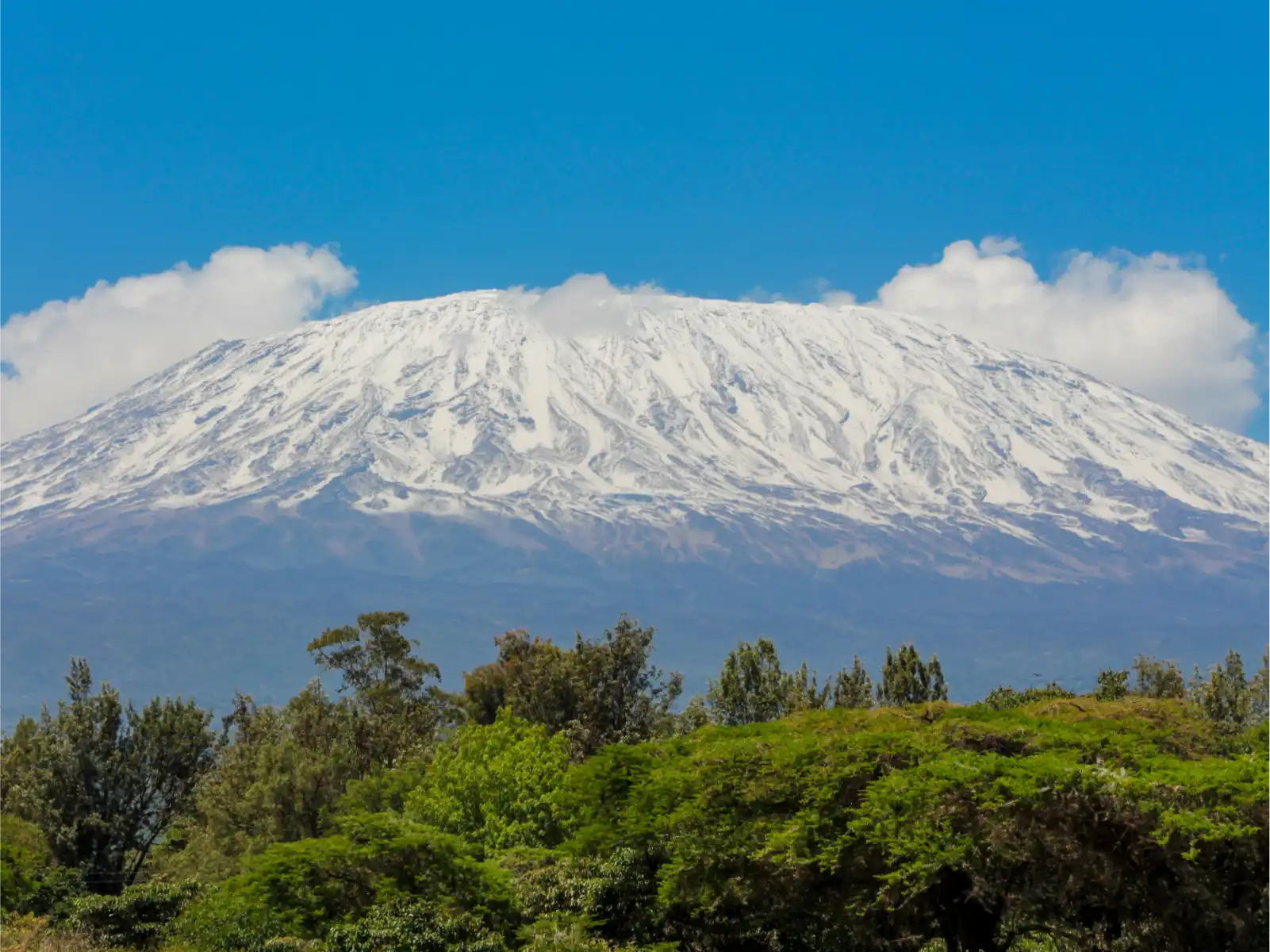
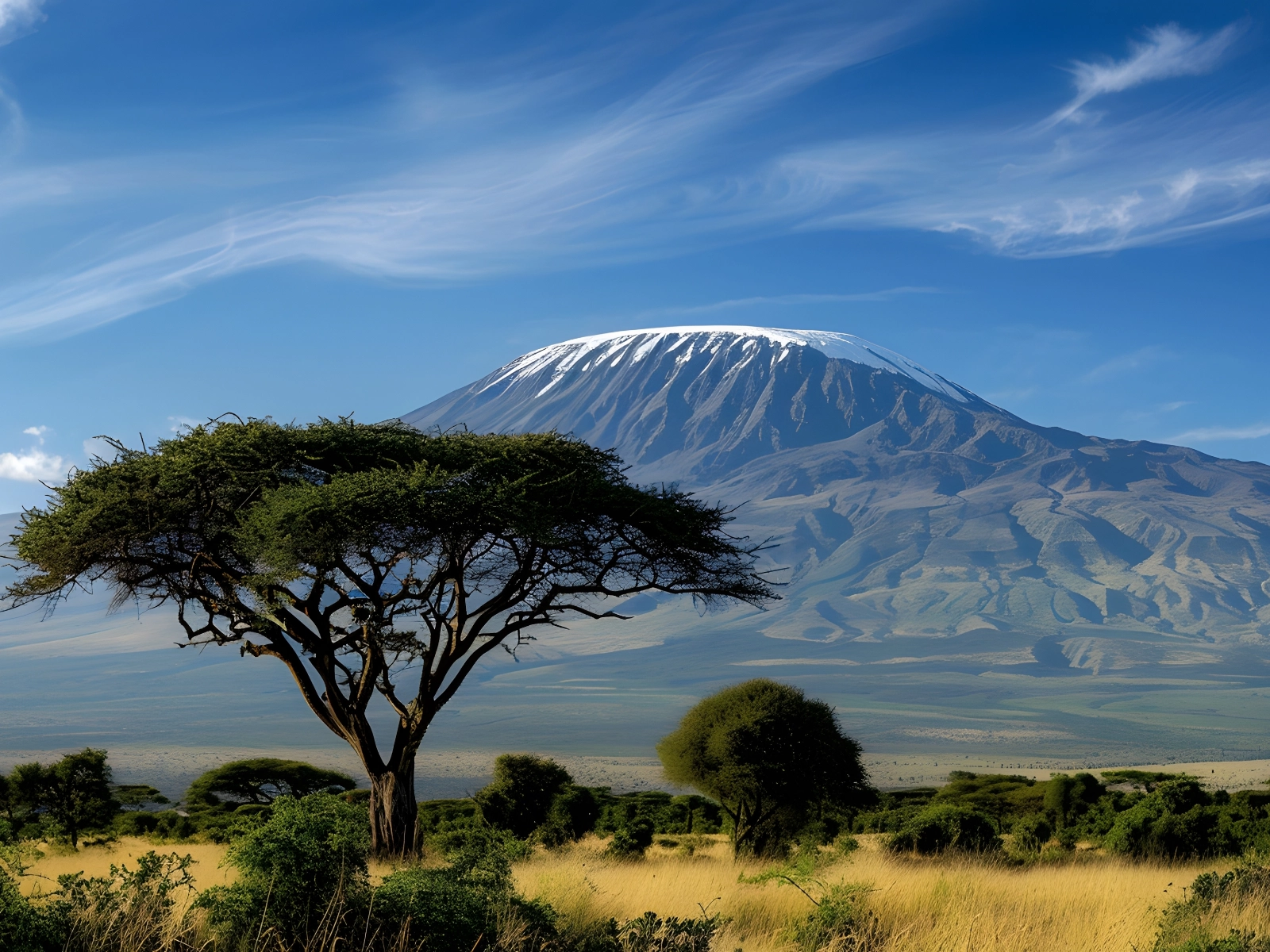
The steepest and most direct route up Kilimanjaro, climbing a narrow forest ridge from Umbwe Gate to reach Barranco on the second day, then joining the southern circuit to Uhuru Peak (5,895 m). Very quiet, but the fast gain in height makes it a route for experienced trekkers with a good record at altitude.

Route: Moshi to Moshi, by way of Mount Kilimanjaro

from · per adult · Bronze Package US$ 2,100

About this trip

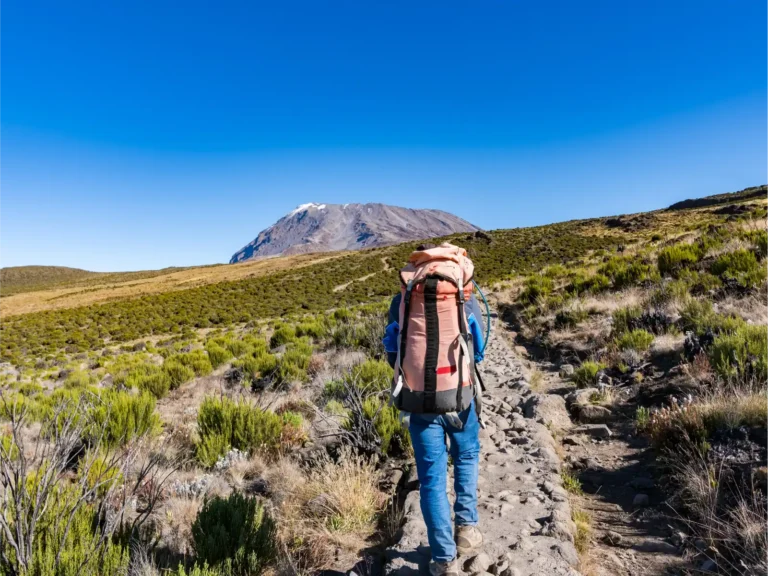
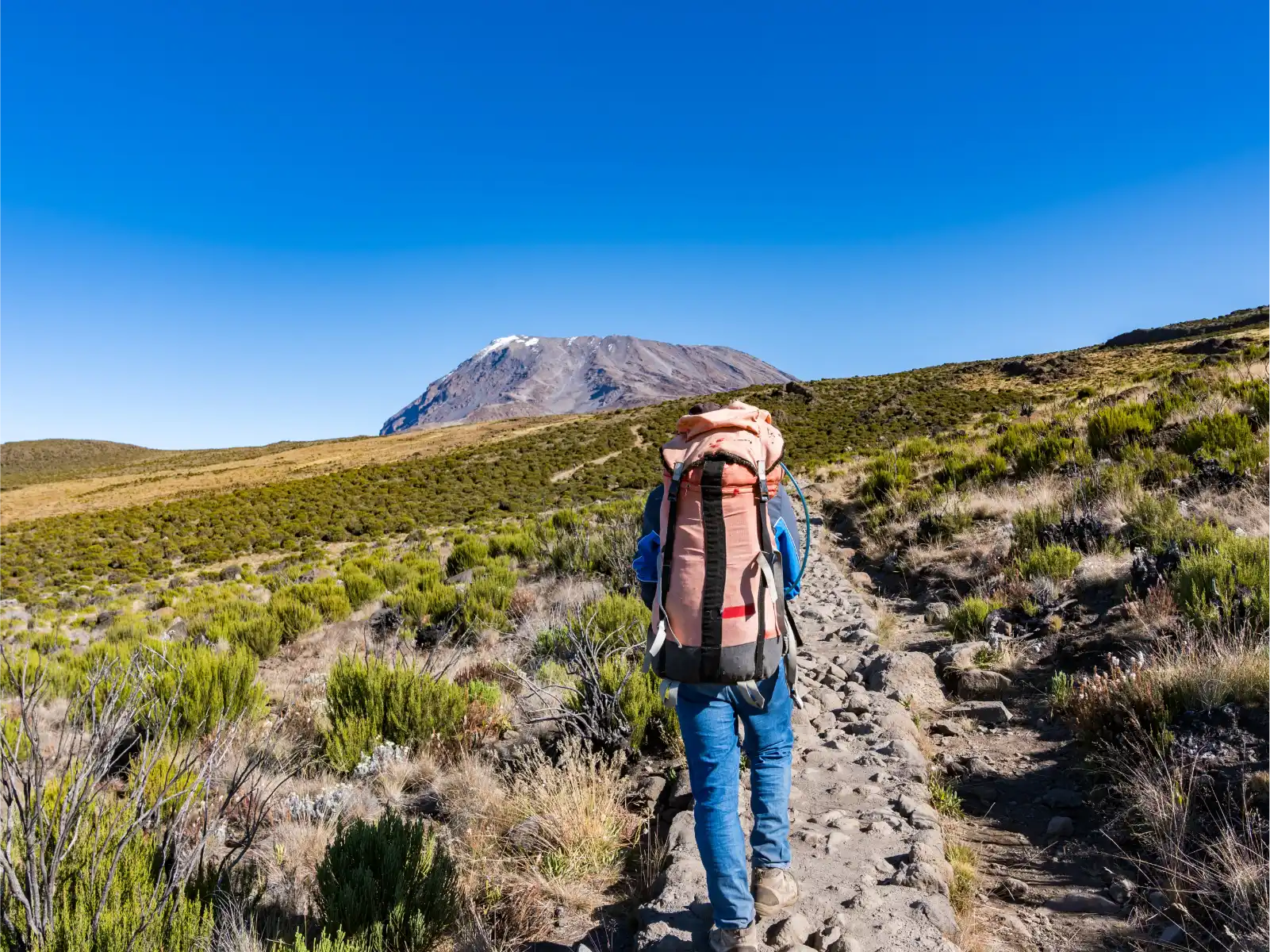
The Umbwe Route begins at Umbwe Gate (1,640 m), 24 km from Moshi, the closest gate on the mountain. The first day climbs a steep forest ridge on a narrow trail where tree roots provide the main footholds on the most vertical sections. The forest is dense, untouched, and receives virtually no traffic. Umbwe Cave Camp (2,940 m) is reached after 5 to 6 hours.

Day two continues up the same ridge with the gradient intensifying above the forest line into moorland. By the end of day two, trekkers reach Barranco Camp (3,976 m), the same camp used by Machame and Lemosho trekkers, who arrive here on their third or fourth day. That gap, reaching Barranco in two days versus three or four, illustrates exactly how steep Umbwe is and why altitude sickness risk is significantly higher on this route.

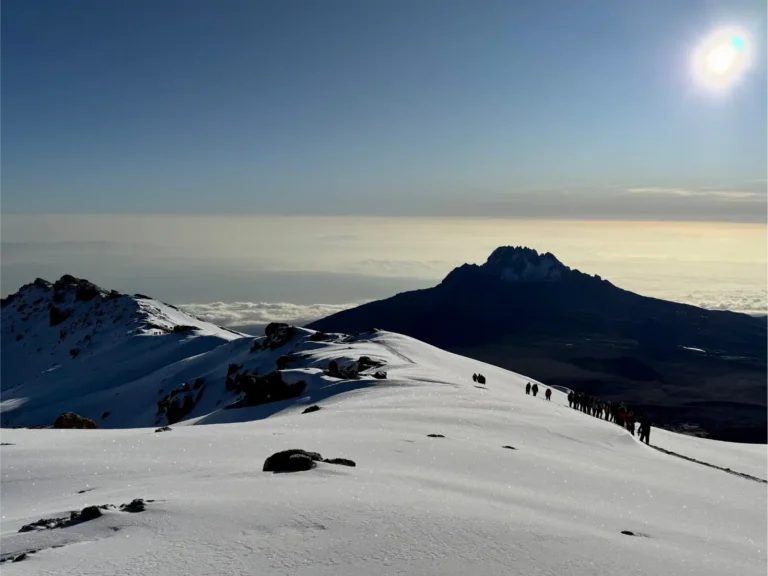
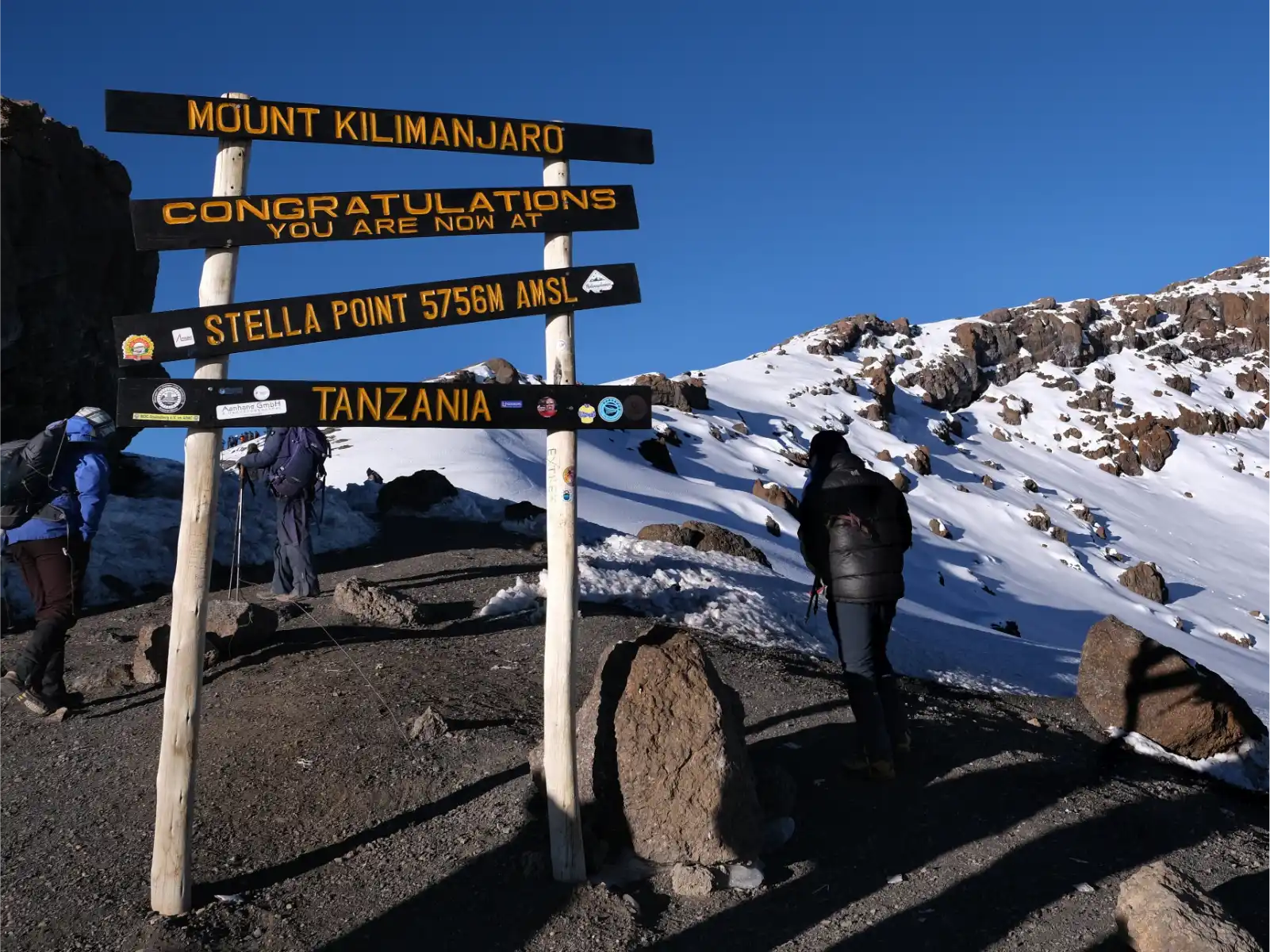
From Barranco, the Umbwe Route merges fully with the southern circuit. Day three climbs the Barranco Wall and continues to Karanga or Barafu high camp (4,673 m). Summit night follows the standard Machame/Lemosho approach via Stella Point (5,739 m) to Uhuru Peak (5,895 m). An alternative via the Western Breach is technically more demanding and is offered as a private arrangement for climbers with relevant experience.

The compressed altitude gain on days one and two is the Umbwe Route's defining characteristic and its main hazard. Adding an acclimatisation day at Lava Tower (4,600 m) before descending to Barranco significantly improves the safety profile and is strongly recommended. Descent follows the Mweka Route.

Starts and ends in
Moshi
Duration
6 days, 5 nights
Difficulty
Challenging
Highest point
4,673 m
Best months
January to February, June to October, December

Trip highlights

  • The steepest and most direct route on the mountain
  • The gate closest to Moshi, so less time on the road
  • One of the least-used routes, with a wild forest ridge on the way up
  • Joins the southern circuit at Barranco for the Barranco Wall and the summit
  • A Western Breach variation for experienced mountaineers, by private arrangement

The route

  1. Moshi Day 1 start
  2. Mount Kilimanjaro Days 1 to 5
  3. Moshi Day 6

-3.0667,37.3592

Open in Google Maps

Day by day

Day 1 Umbwe Gate to Umbwe Cave Camp Lunch, Dinner

Transfer from Moshi to Umbwe Gate (about 1,640 m) and climb a steep, narrow ridge through dense forest, using tree roots as steps on the steepest sections.

Meals
Lunch, Dinner
Altitude
2,940 m
Walking time
5 to 6 hours
Day 2 Umbwe Cave Camp to Barranco Camp Breakfast, Lunch, Dinner

Continue up the ridge, ever steeper, out of the forest and onto moorland, to Barranco Camp below the Breach Wall.

Meals
Breakfast, Lunch, Dinner
Altitude
3,976 m
Walking time
4 to 6 hours
Day 3 Barranco Wall to Karanga Camp Breakfast, Lunch, Dinner

Scramble up the Barranco Wall and follow the southern circuit to Karanga Camp.

Meals
Breakfast, Lunch, Dinner
Altitude
4,035 m
Walking time
4 to 5 hours
Day 4 Karanga Camp to Barafu Camp Breakfast, Lunch, Dinner

A short climb to the high camp. Rest and prepare for the summit night.

Meals
Breakfast, Lunch, Dinner
Altitude
4,673 m
Walking time
3 to 4 hours
Day 5 Uhuru Peak and down to Mweka Camp Breakfast, Lunch, Dinner

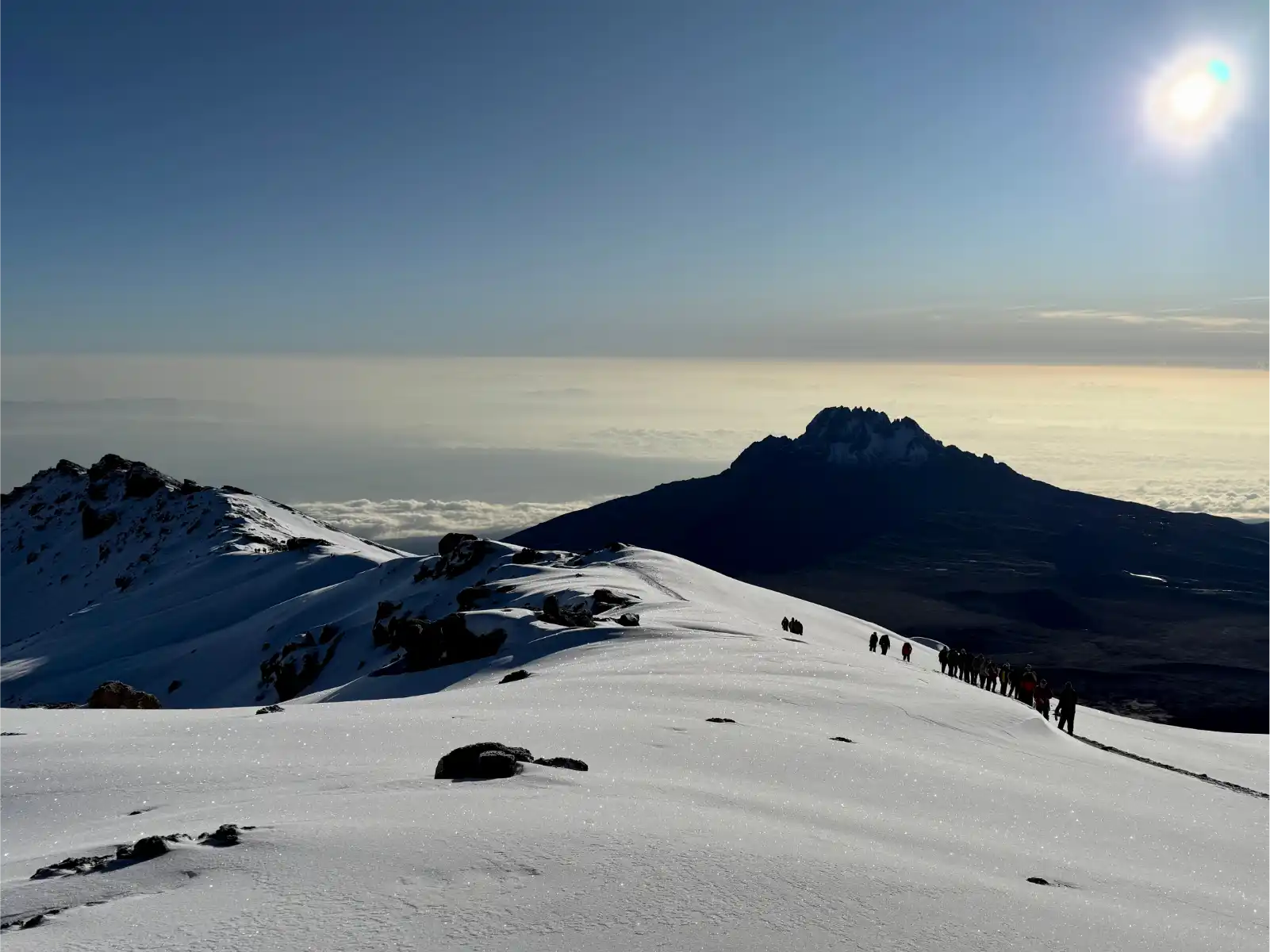
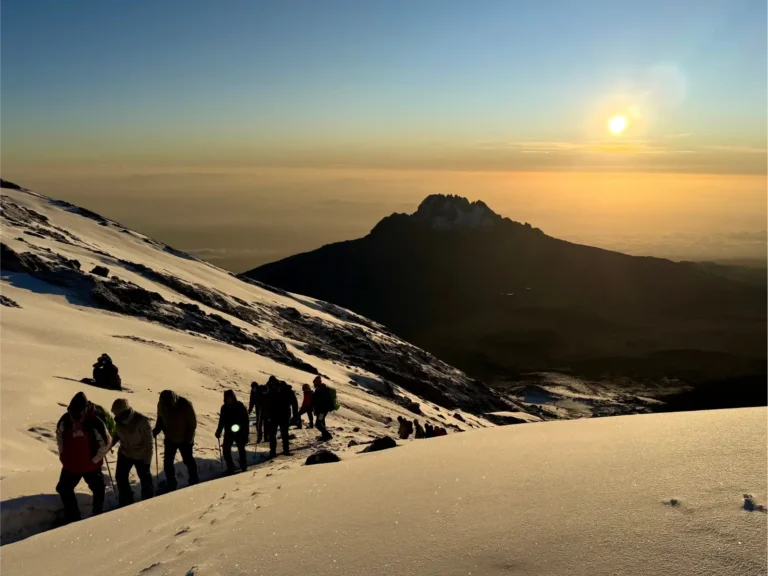
Leave the high camp around midnight and climb the steep scree of the summit cone by head torch to Stella Point (5,739 m) on the crater rim, then follow the rim to Uhuru Peak (5,895 m), ideally around sunrise. After time at the top, descend to the high camp for a rest and continue down to Mweka Camp.

Meals
Breakfast, Lunch, Dinner
Altitude
3,100 m
Walking time
10 to 15 hours in all
Day 6 Mweka Camp to Moshi Breakfast

Walk down through the rainforest to Mweka Gate, collect your summit certificate and transfer to Moshi.

Meals
Breakfast
Walking time
3 to 4 hours

What’s included

Included

  • All TANAPA park entry, camping, and rescue fees
  • Certified and TANAPA-licensed mountain guide with Umbwe route experience
  • Assistant guides on summit night
  • Porters to carry group equipment (ethically capped at 20 kg per porter)
  • Mountain chef and full catering crew
  • All camping equipment: tents, sleeping mats, dining tent, portable toilet tent
  • All meals from Day 1 dinner through departure day breakfast
  • Emergency supplemental oxygen on summit night
  • Pulse oximeter monitoring throughout the climb
  • Return transfers between Moshi and Umbwe Gate
  • Summit certificate upon reaching Uhuru Peak

Not included

  • International flights to Kilimanjaro International Airport (JRO)
  • Tanzania visa fees
  • Personal travel insurance (required: evacuation coverage essential)
  • Tips and gratuities for guides, porters, and crew
  • Personal hiking gear: boots, poles, gaiters, sleeping bag (-15°C rated), warm layers
  • Altitude medication (Diamox): consult your doctor before travel
  • Alcoholic beverages and personal purchases
  • Hotel accommodation in Moshi before and after the climb

Choose your package

  • Bronze Package from · per adult US$ 2,100
  • Silver Package from · per adult US$ 3,100
  • Gold Package from · per adult US$ 4,600

Before you travel

Visa and entry

Most visitors need a visa, best applied for in advance through the Immigration Services Department's official e-visa portal; visas are also issued on arrival at the main entry points. Your passport should be valid for at least six months. Since…

Tanzania travel information

Best season

The main dry season runs from about June to October and is the best time for most parks. The short rains fall in November and December and the long rains from about March to May, when some southern and western…

Information changes. Always verify with the official portals, which each country page links to directly.

Questions about this trip

Who is the Umbwe Route suitable for?

Experienced trekkers with prior high-altitude experience above 4,000 m who understand their body's acclimatisation response, want near-total solitude, and accept a lower summit success rate in exchange for a harder, faster ascent. If this is your first time above 4,000 m, choose the Machame or Lemosho routes first. The Umbwe is for people who have already summited Kilimanjaro or a comparable peak and want a different challenge.

Why is the summit success rate lower on the Umbwe Route?

The route gains altitude so quickly (reaching Barranco Camp at nearly 4,000 m in just two days) that most bodies do not have enough time to produce the physiological adaptations needed for 5,895 m. Acute mountain sickness forces many trekkers to turn back before the summit push.
Adding an acclimatisation day at Lava Tower is the most effective way to improve your odds on this route.

What is the Western Breach alternative on the Umbwe Route?

The Western Breach is an alternative summit approach from Lava Tower directly up the western face of Kibo to Crater Camp (5,750 m), bypassing the standard Barafu/Stella Point path. It is technically more demanding and involves loose rock sections. It was closed after fatal rockfall in 2006, reopened in 2007, but remains rarely offered. TripGenius Travel can arrange private Western Breach climbs for trekkers with relevant technical experience.

What is the best time of year for the Umbwe Route?

January to March and June to October. The steep forest ridge on days one and two becomes severely slippery and dangerous in the wet seasons (April to May and November). The Umbwe is one of the routes most affected by wet conditions, the narrow ridge with exposed root holds requires dry, firm ground to navigate safely.

What gear do I need?

Same kit as all Kilimanjaro routes plus extra emphasis on grip, trekking poles with proper wrist straps and trekking boots with aggressive soles are critical on the steep root-and-rock sections in the lower forest. Sleeping bag rated to -15°C, layered insulation, waterproof shell, warm hat, balaclava, gloves, headlamp, UV sunglasses, and SPF 50+. All camping gear is provided.

from · per adult US$ 2,100

Request a Quote

Rates By Exchange Rate API