• 7 days · 6 nights
  • Tanzania
  • Hiking and Trekking
  • Challenging
  • Adjustable

7-Day Kilimanjaro Climb: Shira Route

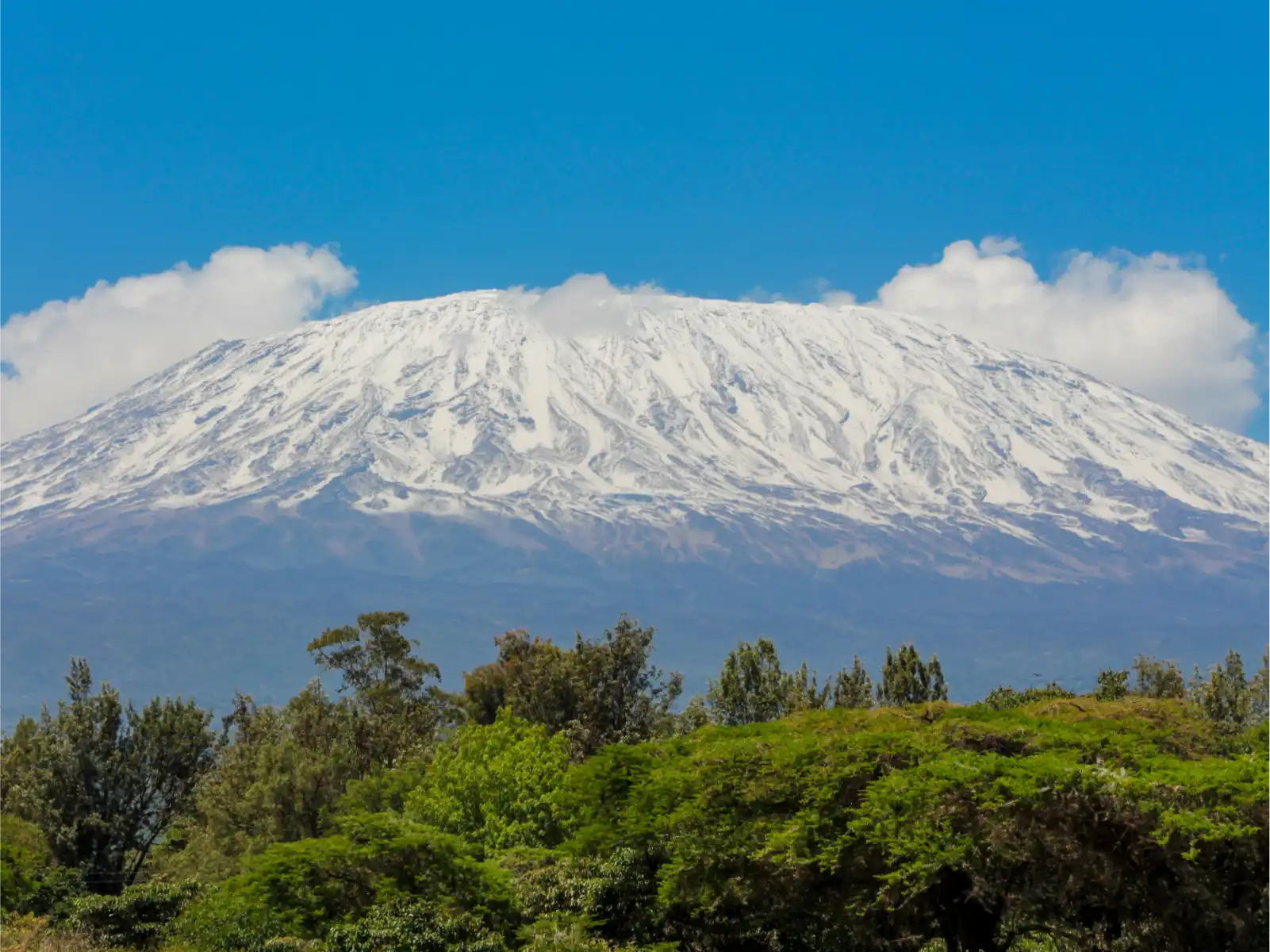
A western route that starts high: a vehicle carries you from Londorossi Gate up to about 3,500 m on the Shira Plateau, and the walk joins the Lemosho Route by Lava Tower, Barranco and the southern circuit to Uhuru Peak (5,895 m). Because it skips the forest, it suits climbers who already know how they cope with altitude.

Route: Moshi to Moshi, by way of Mount Kilimanjaro

from · per adult · Bronze Package US$ 2,100

About this trip

The Shira Route begins at Londorossi Gate (2,100 m), the same gate as Lemosho, but instead of walking through the rainforest, trekkers board a vehicle that drives up to approximately 3,500 m, where the walking begins on the Shira Plateau. Day one is spent on the plateau itself, reaching Shira 1 Camp (3,504 m) or Shira 2 Camp (3,840 m) without the forest acclimatisation buffer that Lemosho's lower start provides.

Starting at 3,500 m on Day 1, sleeping at this altitude on the very first night, is the route's most significant risk factor. Most bodies have not had time to begin adapting to altitude after a long international journey and a vehicle transfer. Trekkers with proven acclimatisation ability above 3,500 m handle this well; those without that history are at greater risk of altitude sickness on the Shira Route than on the other western approaches.

From Shira Camp, the route merges fully with Lemosho and follows the identical southern circuit path: Lava Tower acclimatisation climb (4,600 m), descent to Barranco Camp (3,976 m), Barranco Wall scramble, and the progression along the southern circuit to Barafu high camp (4,673 m).
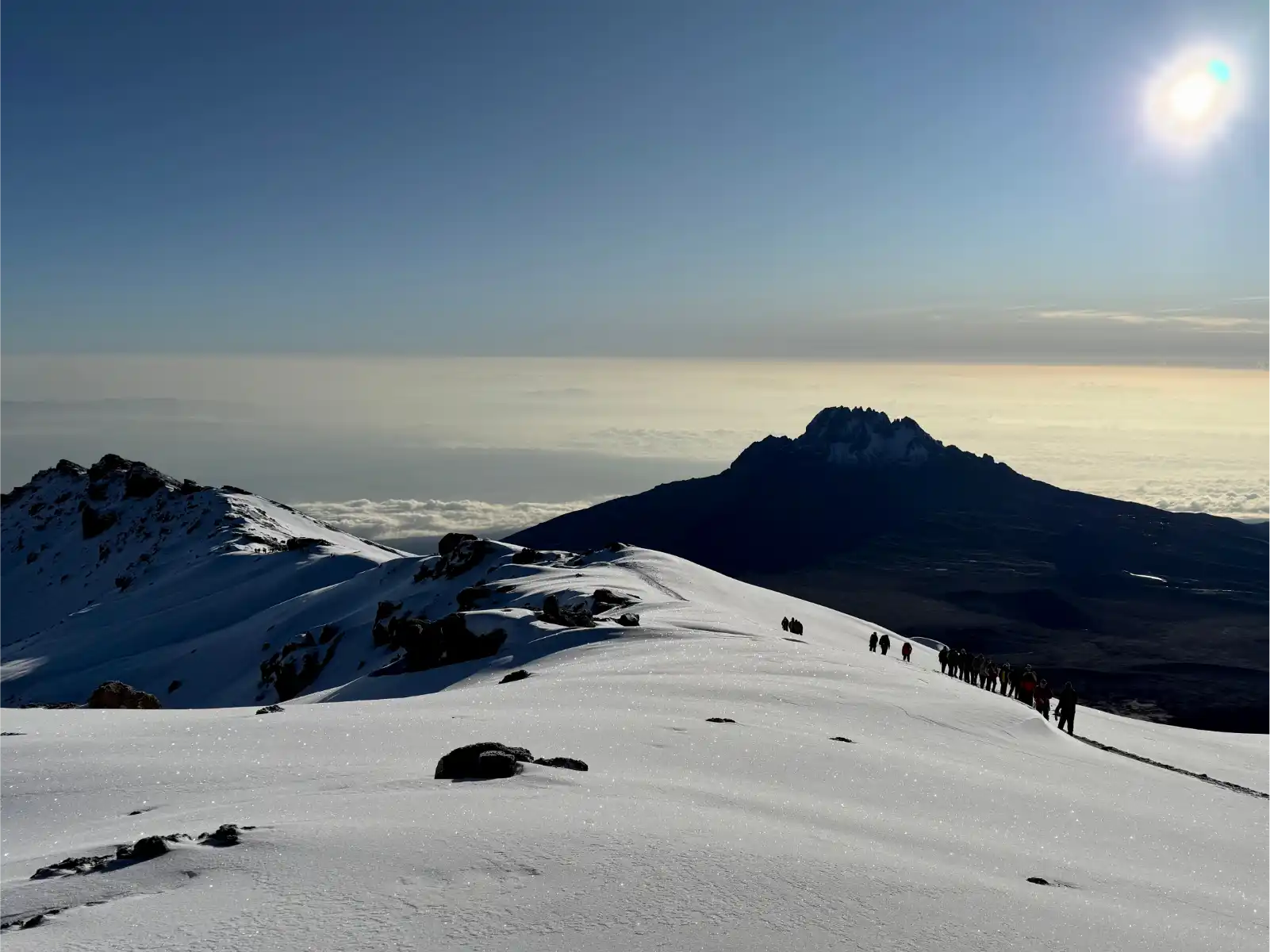
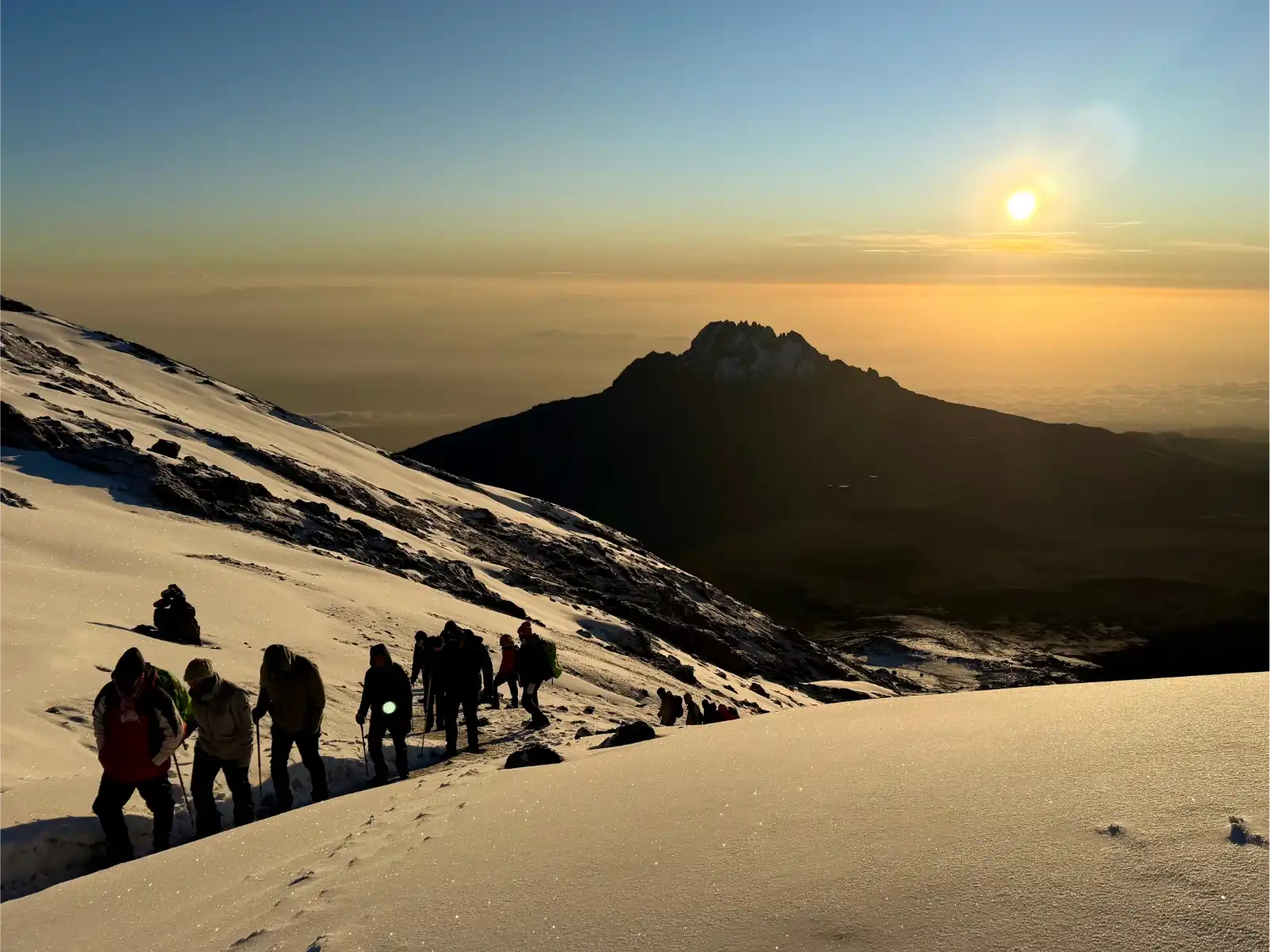
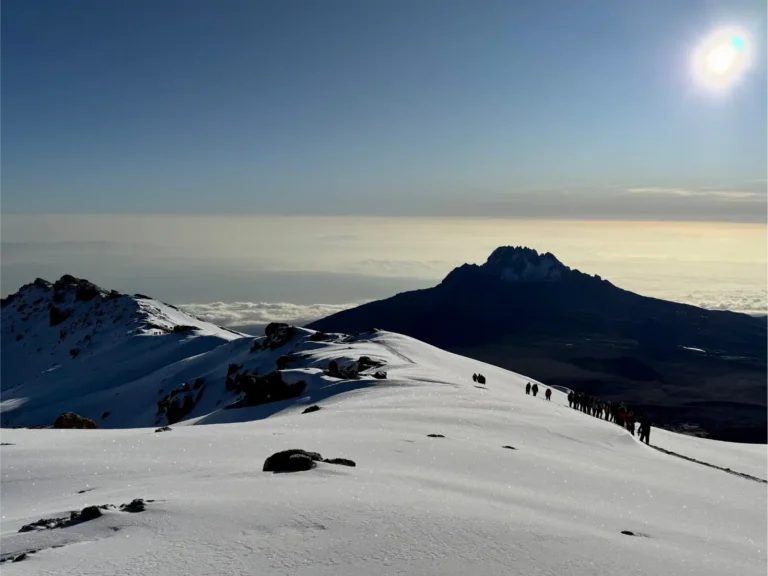
Summit night follows the Machame/Lemosho approach to Stella Point (5,739 m) and Uhuru Peak (5,895 m).

Descent follows the Mweka Route. Total duration is 7 days on the standard Shira itinerary. For trekkers choosing between Shira and Lemosho, Lemosho is consistently the stronger choice for the same duration, the additional forest acclimatisation day it provides makes a meaningful difference to summit success rates. The Shira Route remains viable for experienced trekkers with good altitude history who want the western plateau entry without the longer Lemosho forest approach.

Starts and ends in
Moshi
Duration
7 days, 6 nights
Difficulty
Challenging
Highest point
4,673 m
Best months
January to February, June to October, December

Trip highlights

  • Straight onto the Shira Plateau at about 3,500 m on the first day
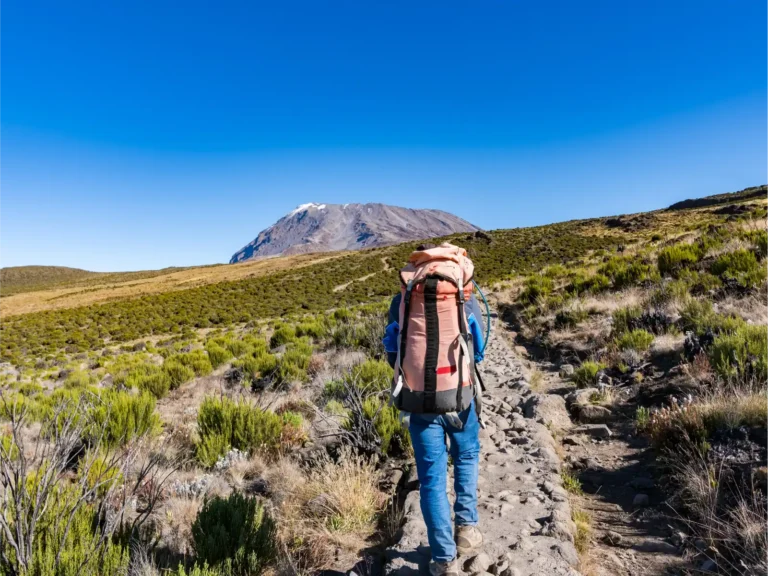
  • A crossing of the plateau with open views of Kibo from the west
  • Lava Tower (about 4,600 m) for acclimatisation on the southern circuit
  • The Barranco Wall, the classic scramble of the southern routes
  • The same scenery as Lemosho from Shira Camp onwards, with a different start

The route

  1. Moshi Day 1 start
  2. Mount Kilimanjaro Days 1 to 6
  3. Moshi Day 7

-3.0667,37.3592

Open in Google Maps

Day by day

Day 1 Londorossi Gate to Shira 1 Camp Lunch, Dinner

Drive from Moshi to Londorossi Gate (about 2,100 m) to register, then by vehicle up to about 3,500 m on the Shira Plateau, and walk to the first camp. Take it slowly: you sleep high on the first night.

Meals
Lunch, Dinner
Altitude
3,504 m
Walking time
1 to 2 hours
Day 2 Shira 1 Camp to Shira 2 Camp Breakfast, Lunch, Dinner

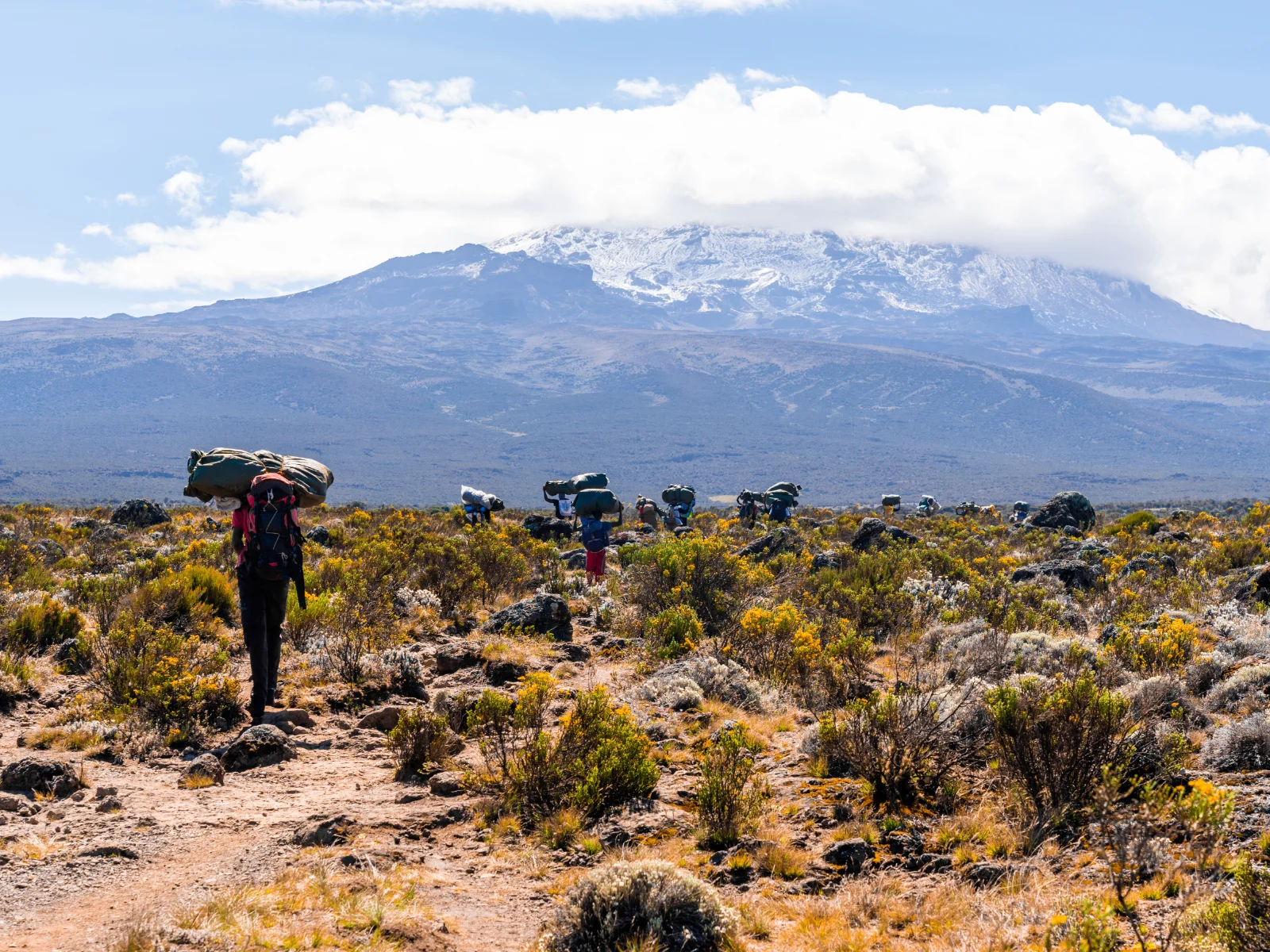
Cross the plateau towards Kibo, with time to walk a little higher to help acclimatise.

Meals
Breakfast, Lunch, Dinner
Altitude
3,840 m
Walking time
3 to 5 hours
Day 3 Lava Tower and down to Barranco Camp Breakfast, Lunch, Dinner

Climb to Lava Tower (about 4,600 m) for lunch, then descend to Barranco Camp.

Meals
Breakfast, Lunch, Dinner
Altitude
3,976 m
Walking time
6 to 8 hours
Day 4 Barranco Wall to Karanga Camp Breakfast, Lunch, Dinner

Scramble up the Barranco Wall and follow the southern circuit to Karanga Camp.

Meals
Breakfast, Lunch, Dinner
Altitude
4,035 m
Walking time
4 to 5 hours
Day 5 Karanga Camp to Barafu Camp Breakfast, Lunch, Dinner

A short climb to the high camp. Rest and prepare for the summit night.

Meals
Breakfast, Lunch, Dinner
Altitude
4,673 m
Walking time
3 to 4 hours
Day 6 Uhuru Peak and down to Mweka Camp Breakfast, Lunch, Dinner

Leave the high camp around midnight and climb the steep scree of the summit cone by head torch to Stella Point (5,739 m) on the crater rim, then follow the rim to Uhuru Peak (5,895 m), ideally around sunrise. After time at the top, descend to the high camp for a rest and continue down to Mweka Camp.

Meals
Breakfast, Lunch, Dinner
Altitude
3,100 m
Walking time
10 to 15 hours in all
Day 7 Mweka Camp to Moshi Breakfast

Walk down through the rainforest to Mweka Gate, collect your summit certificate and transfer to Moshi.

Meals
Breakfast
Walking time
3 to 4 hours

What’s included

Included

  • All TANAPA park entry, camping, and rescue fees
  • Certified and TANAPA-licensed mountain guide for the full duration
  • Assistant guides on summit night
  • Porters to carry group equipment (ethically capped at 20 kg per porter)
  • Mountain chef and full catering crew
  • All camping equipment: tents, sleeping mats, dining tent, portable toilet tent
  • All meals from Day 1 dinner through departure day breakfast
  • Emergency supplemental oxygen on summit night
  • Pulse oximeter monitoring throughout the climb
  • Vehicle transfer from Londorossi Gate to the Shira Plateau trailhead (~3,500 m)
  • Return transfers between Moshi and park gates
  • Summit certificate upon reaching Uhuru Peak

Not included

  • International flights to Kilimanjaro International Airport (JRO)
  • Tanzania visa fees
  • Personal travel insurance (required: must cover high-altitude trekking and evacuation)
  • Tips and gratuities for guides, porters, and crew
  • Personal hiking gear: boots, poles, gaiters, sleeping bag (-15°C rated), warm layers
  • Altitude medication (Diamox): consult your doctor before travel
  • Alcoholic beverages and personal purchases
  • Hotel accommodation in Moshi before and after the climb

Choose your package

  • Bronze Package from · per adult US$ 2,100
  • Silver Package from · per adult US$ 3,100
  • Gold Package from · per adult US$ 4,700

Before you travel

Visa and entry

Most visitors need a visa, best applied for in advance through the Immigration Services Department's official e-visa portal; visas are also issued on arrival at the main entry points. Your passport should be valid for at least six months. Since…

Tanzania travel information

Best season

The main dry season runs from about June to October and is the best time for most parks. The short rains fall in November and December and the long rains from about March to May, when some southern and western…

Information changes. Always verify with the official portals, which each country page links to directly.

Questions about this trip

How does the Shira Route compare to the Lemosho Route?

Both start at Londorossi Gate and share the same southern circuit from Shira Camp onward, the summit approach is identical. The difference is the first day: Lemosho walks through pristine rainforest from 2,100 m, giving a gradual altitude gain and a critical acclimatisation buffer.
Shira skips the forest by vehicle and starts walking at 3,500 m, removing that buffer. For most trekkers, Lemosho is the stronger choice for the same price and similar duration.

Who is the Shira Route suitable for?

Experienced trekkers who have previously spent time above 3,500 m and know their body acclimatises well at altitude. If you have summited Kilimanjaro via another route or trekked above 4,000 m successfully before, the Shira's compressed start is manageable. For first-time Kilimanjaro trekkers, the Lemosho is a safer and more enjoyable choice.

What is the AMS risk on the Shira Route compared to other routes?

Higher than Lemosho, similar to the Rongai. Sleeping at 3,500 m on Day 1 after arriving from sea level is a significant physiological challenge. Your guide will conduct pulse oximeter checks from the first night and monitor for headache, nausea, and poor sleep, the classic early AMS signs. Hydration, slow pace, and Diamox (if prescribed) are your best tools. If symptoms are severe, descent is mandatory.

What is the best time of year for the Shira Route?

January to March and June to October. The exposed Shira Plateau is cold and windswept at any time of year, windproof layers are important from Day 1. Avoid the wet seasons when the Plateau becomes boggy and the trail approach deteriorates.

What gear do I need?

Because you start at 3,500 m on Day 1, your warm gear must be accessible from the first afternoon, do not pack it deep in your kit bag. Essential from Day 1: fleece mid-layer, windproof shell, warm hat, and gloves. Full gear: sleeping bag rated to -15°C, layered insulation, waterproof shell and trousers, trekking boots, poles, balaclava, headlamp, UV sunglasses, and SPF 50+.

from · per adult US$ 2,100

Request a Quote

Rates By Exchange Rate API