
Arusha City
Tailor-made
A specialist replies within 12 hours
Indicative prices, converted from US dollars. Your choice is remembered in this browser.
One of Africa's largest protected wildernesses and a World Heritage Site; its northern part became Nyerere National Park in 2019, where photographic safaris now take place.
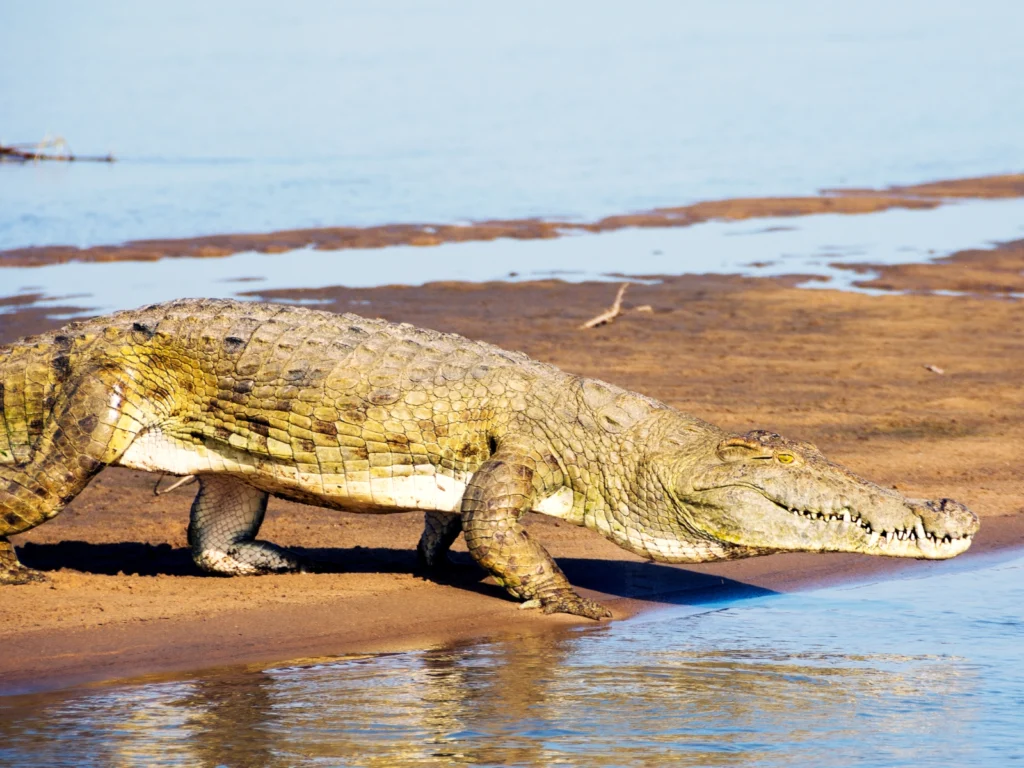
The Selous Game Reserve in southern Tanzania was first protected in 1922 and became one of the largest wildlife reserves in Africa, covering some 50,000 km² of woodland, grassland, rivers and swamps. It was named after Frederick Selous, a British hunter and explorer who was killed there in 1917, and it was made a UNESCO World Heritage Site in 1982 for its size and its largely undisturbed wildlife.
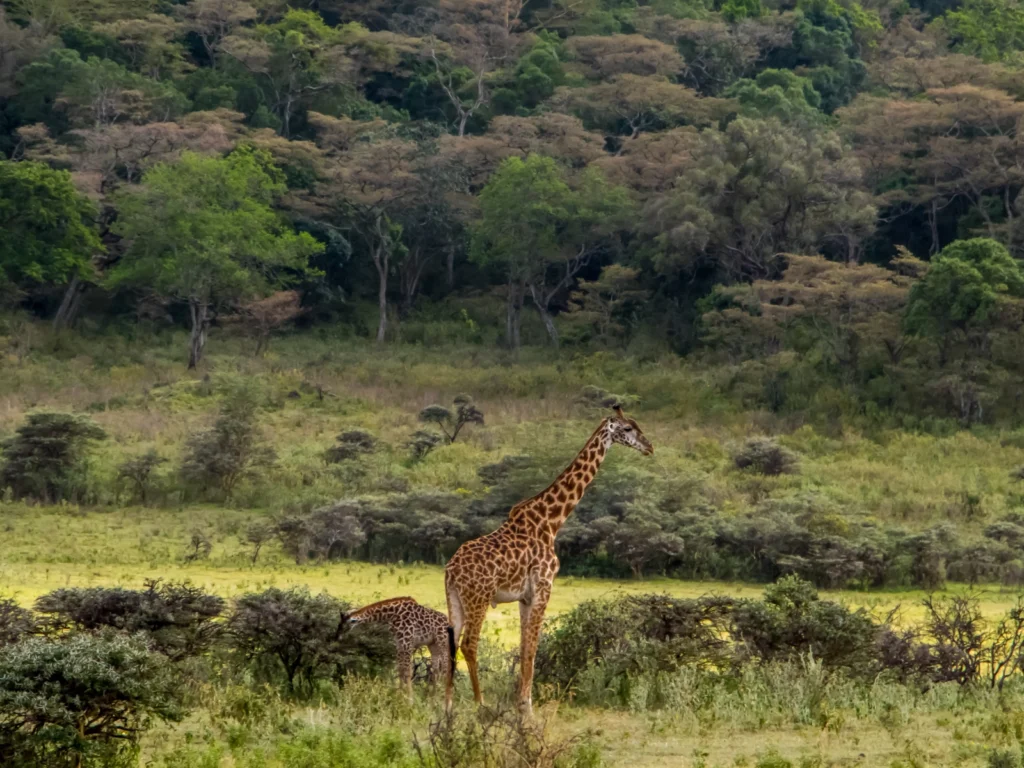
In 2019 the northern part of the reserve, which includes the Rufiji River and the lakes where photographic safaris have always taken place, was made a national park, named after Julius Nyerere. The rest remains a game reserve. Today, when people talk about a "Selous safari", they almost always mean a safari in Nyerere National Park: boat trips on the Rufiji, game drives and walks among elephants, lions and wild dogs.
See Nyerere National Park for what to see and how to get there.
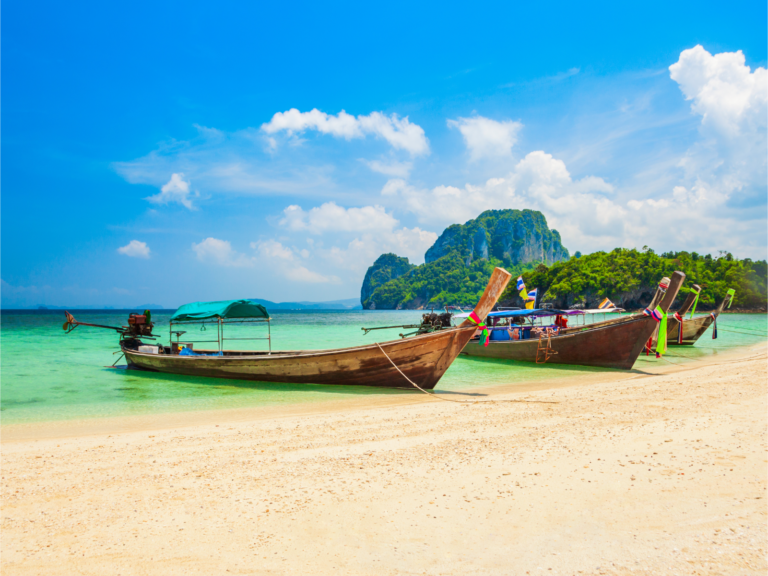
See wildlife from the water: the Rufiji River in Nyerere National Park, the Wami River at Saadani, Lake Victoria and Lake Tanganyika, and dhow trips around Zanzibar.
Best time June to October
Hot and humid in the lowlands, with the dry season from about June to October and the long rains from about March to May.
-9.0000,37.4000
Tailor-made
Tailor-made
Tailor-made
Tailor-made
Free quote. No commitment. Tell us your dates, a rough budget and who is coming.
TripGenius travel experts
We reply within 12 hours.
Shape your trip in 3 taps