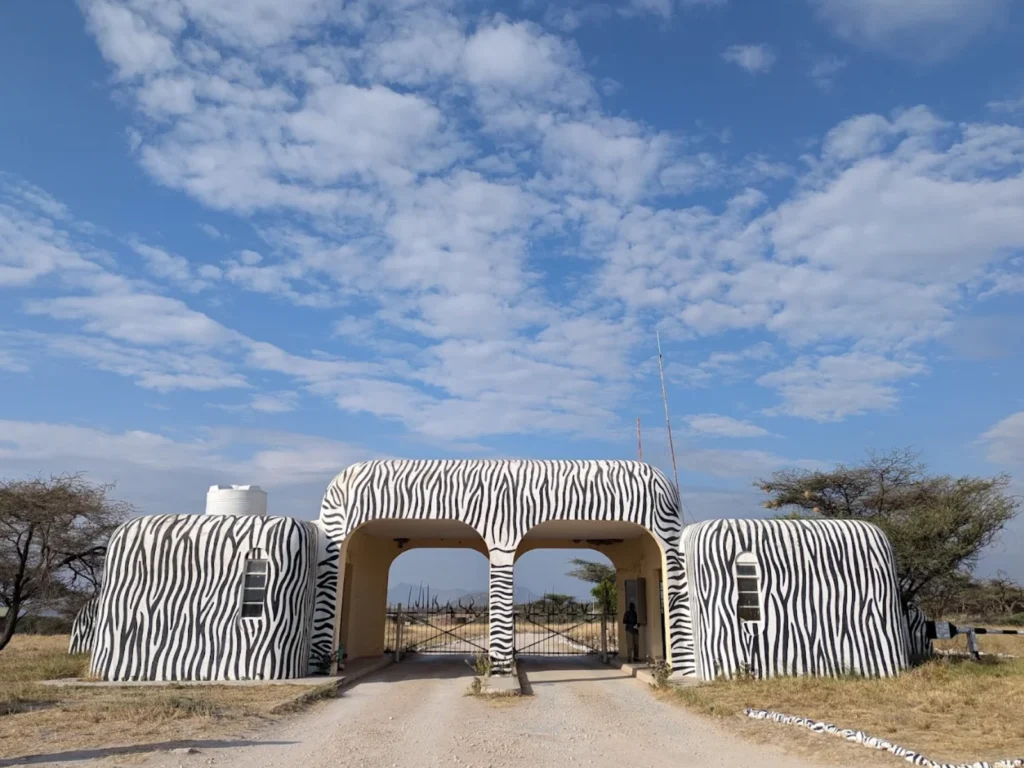
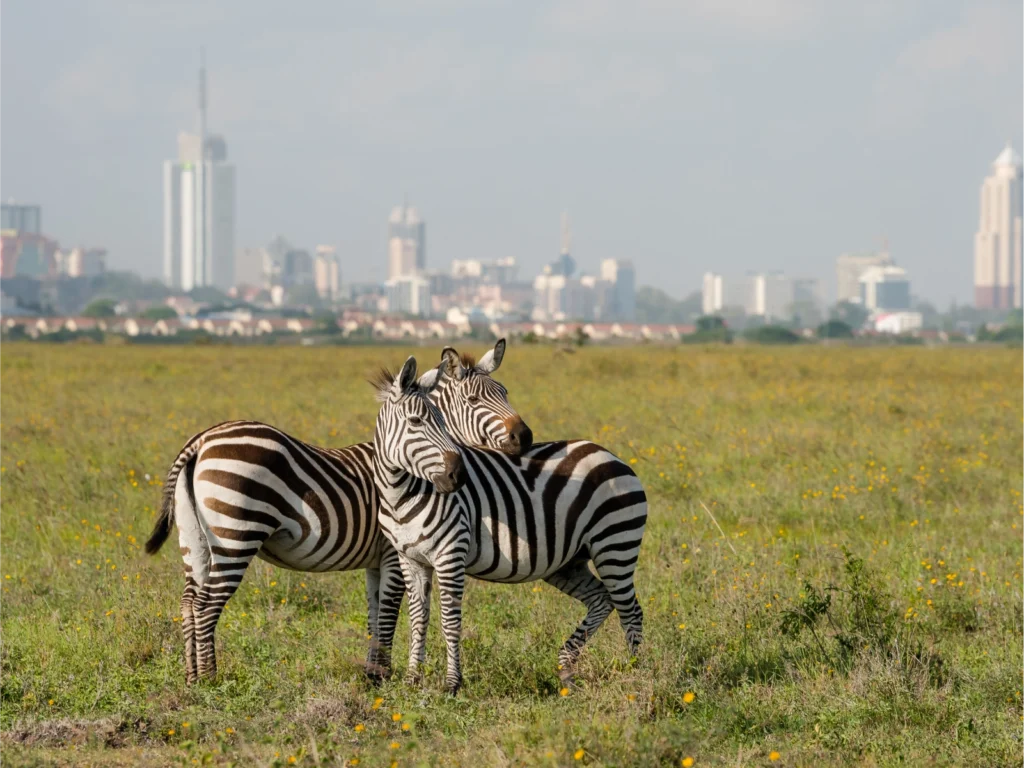
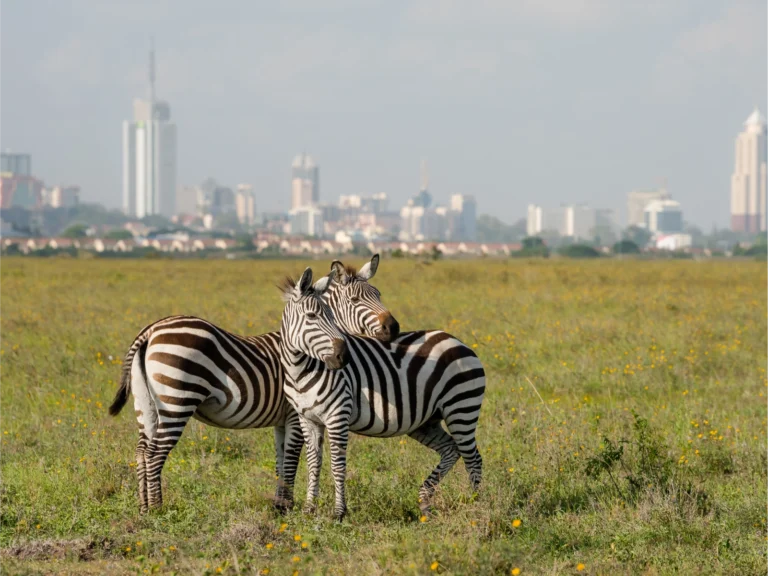
Nairobi National Park was established in 1946, the first national park in Kenya, and it remains one of the few anywhere that borders a capital city. It is fenced on three sides; the south is open, so animals can move between the park and the Kitengela plains, and they gather inside it in the dry season when water elsewhere runs short.
Wildlife
Within its small area the park holds lions, leopards, cheetahs, buffalo, giraffes, zebras, wildebeest, hippos and a large number of antelopes. It is also one of Kenya's most important black rhino sanctuaries, and a game drive here is one of the most reliable chances in the country to see rhinos. More than 400 bird species have been recorded.
Also in the park
The Ivory Burning Site marks the place where Kenya burned 12 tonnes of seized ivory in 1989. Near the main gate are the Nairobi Safari Walk and the Nairobi Animal Orphanage, both run by the Kenya Wildlife Service, and the elephant orphanage of the Sheldrick Wildlife Trust is on the park's edge off the Magadi Road.
Planning a visit
Early morning is the best time, when predators are active and the light is soft; our small-group sunrise game drive leaves the city before dawn. The park also fills a spare half day before a flight or between longer safaris. See Nairobi for the rest of the city, and game drives in Kenya for how a drive works.

 1 day
Adjustable