Your guide picks you up from your Kampala hotel at 7:00 to 7.30am and heads east on the Kampala-Jinja highway. The first optional stop is the Basilica of the Uganda Martyrs at Namugongo (20 to 30 minutes from Kampala central): the modern basilica built in 1975 on the hill where 22 young men, converts in the court of Kabaka Mwanga II, were martyred between 1885 and 1887 after refusing to renounce their Christian faith. The building's design replicates a Buganda royal drum in concrete and brick, with 22 pillars representing each martyr. Even as a 15-minute stop, the architecture and the historical context (the site draws over a million pilgrims annually on June 3rd) make it one of East Africa's most distinctive religious landmarks.
Continue east to the Namawojjolo roadside market in Namataba (approximately 15 minutes from Namugongo), a strip of food stalls where vendors prepare Uganda's most beloved street foods. Your guide stops for a taste session: the Rolex (a chapati rolled around fried eggs and vegetables, whose name comes from "rolled eggs"), plantain on a stick, grilled chicken and beef skewers, and fresh sugarcane juice pressed from the roadside stalls. This is a working public market, not a tourist attraction, the vendors are feeding ordinary travellers on the Jinja road.
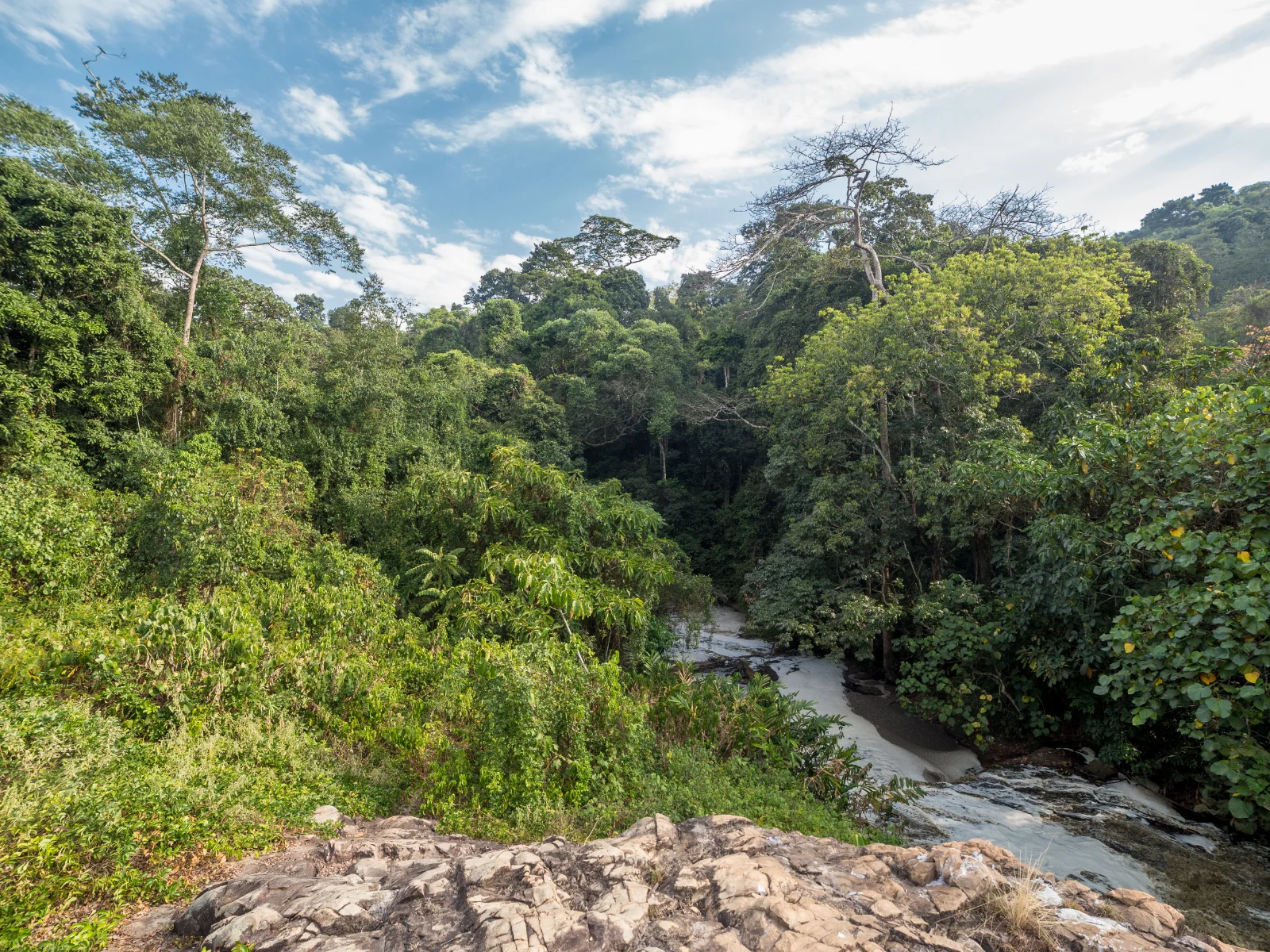
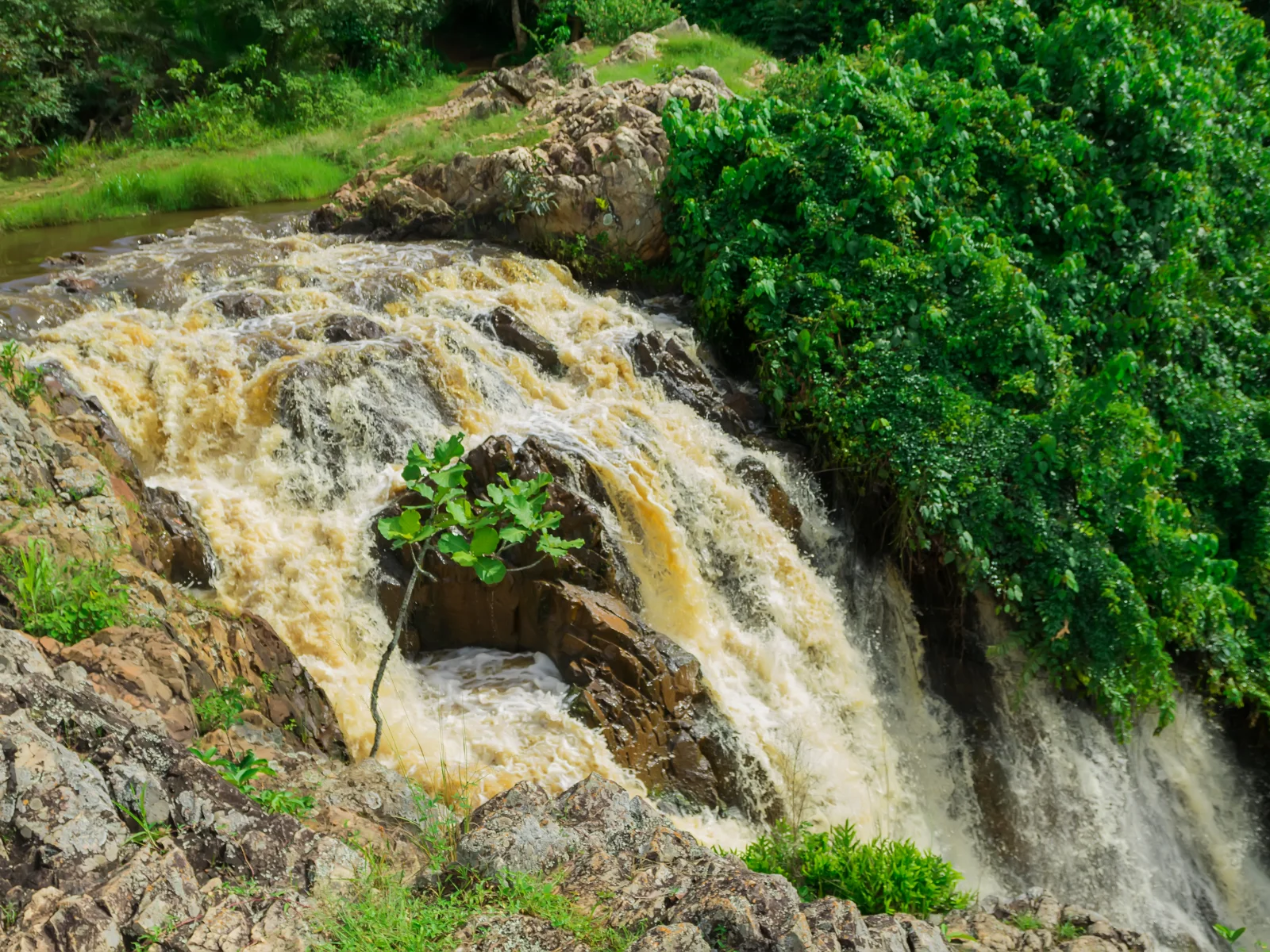
From the market, drive approximately 20 minutes to Ssezibwa Falls on the Ssezibwa River. A 50-minute guided hike takes you through riparian forest to the falls and to the top of the cascade, a wide, low-volume waterfall in a forest setting. Ssezibwa is a Buganda sacred site: small shrines maintained at the riverbank reflect active Luganda spiritual traditions, and your guide explains the cultural significance of the falls as a place of clan rituals and royal ceremonies within the Buganda Kingdom.
Continue east through Mabira Forest Reserve. 300 km² of lowland tropical rainforest that stretches across the Kampala-Jinja highway. Monkeys are visible from the road in the early morning; the forest temperature drops noticeably as the highway enters the tree cover. The drive through Mabira takes approximately 20 to 30 minutes. You then continue into the tea and sugarcane plantation belt that characterises the landscape approaching Jinja.
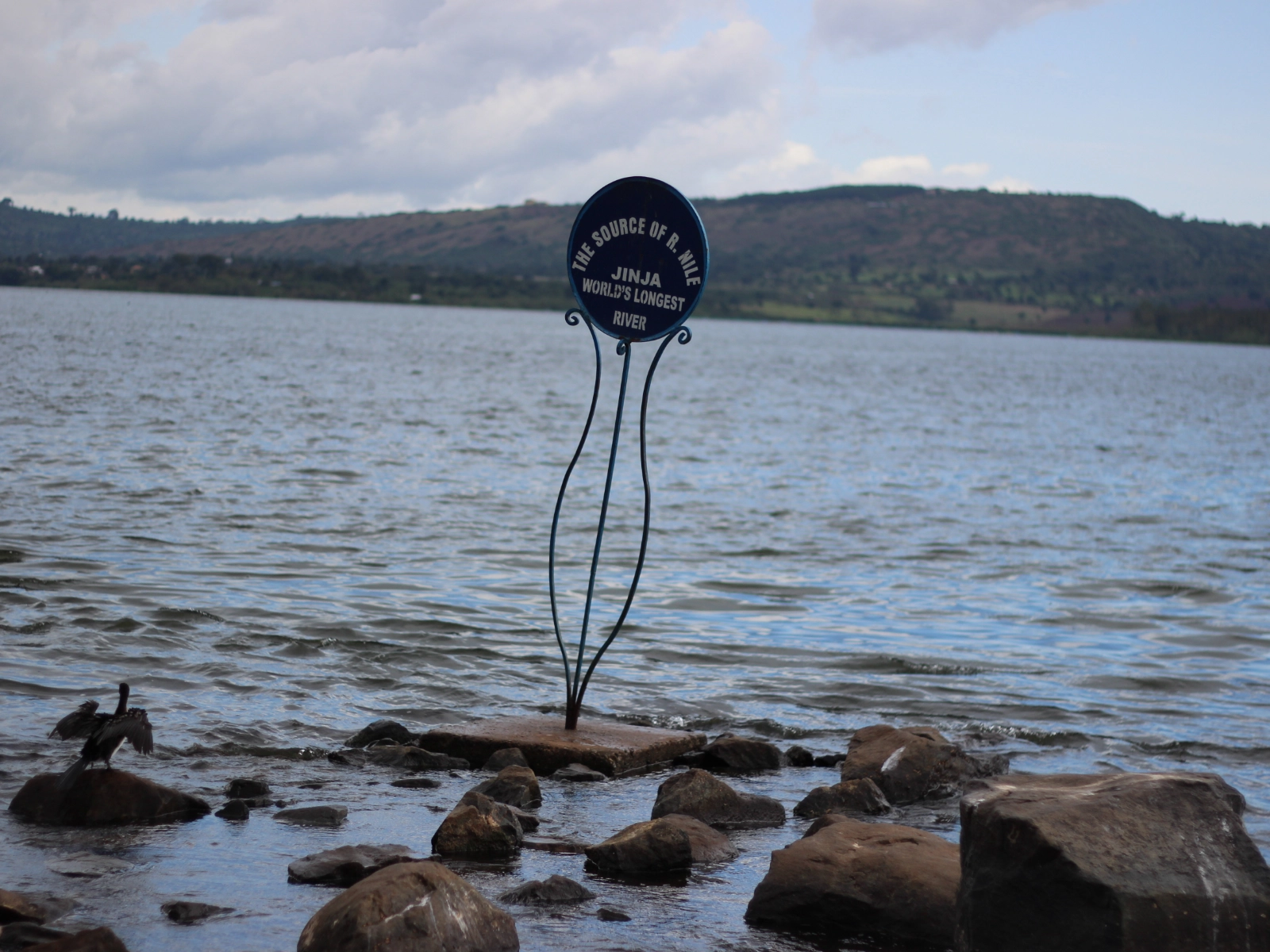
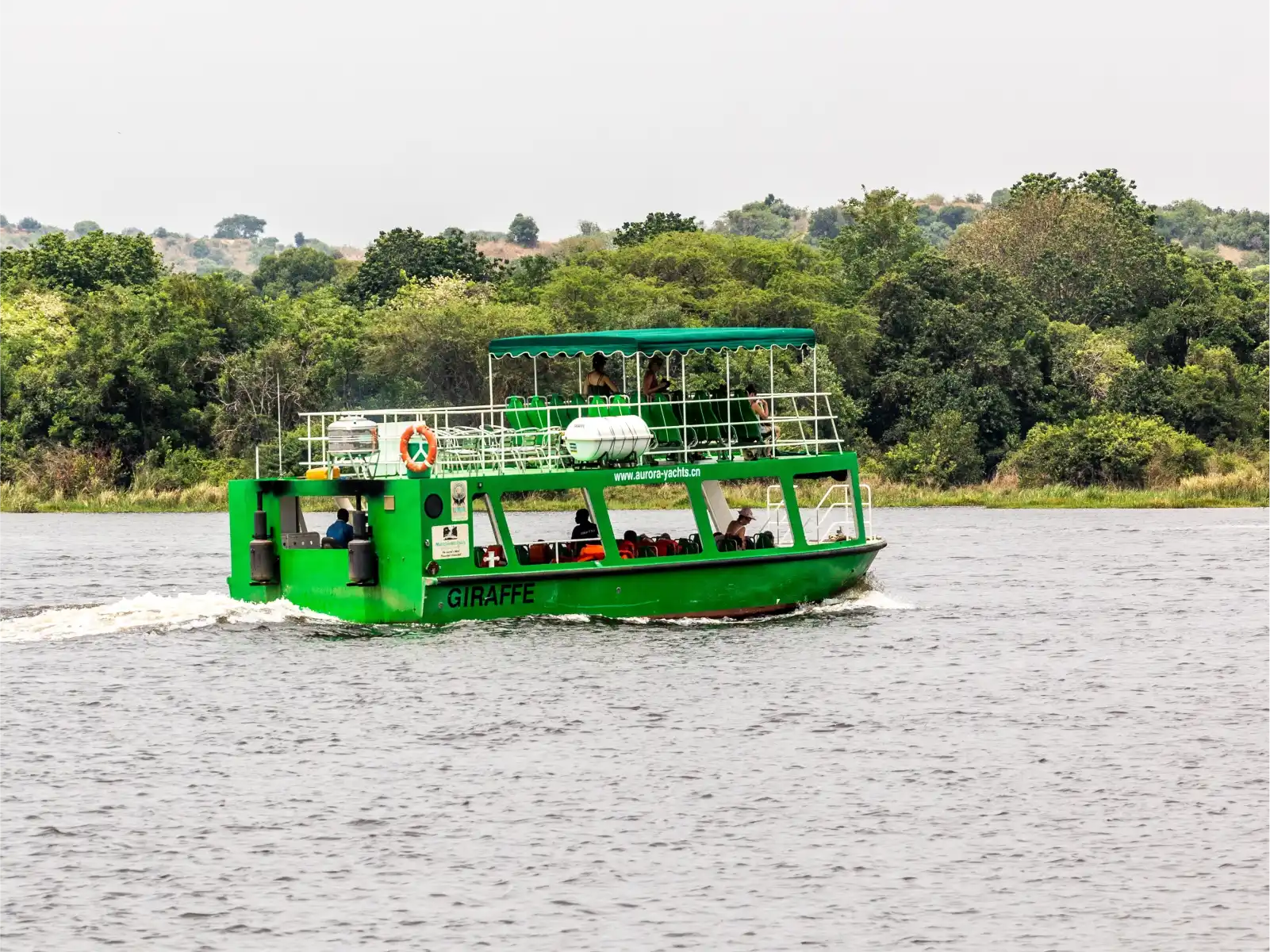
Arrive in Jinja and drive to the Lake Victoria shore for the 1-hour boat cruise. The boat launches from the northern Lake Victoria shoreline and crosses to the point where the lake's flow first organises into the moving current of the Victoria Nile, the GPS coordinates declared by Scottish explorer John Hanning Speke in July 1862 as the Source of the Nile. A floating marker sits at the threshold between lake and river. Your guide explains Speke's expedition and the geographical significance of the point. Participants receive a personalised Certificate of Authenticity as official visitors to the Source of Africa's longest river. The boat also navigates a short stretch of the early Nile current before returning to the shore.
Walk the New Nile Bridge (525 metres, opened in 2018) for views upstream to the source point and downstream toward Bujagali Falls. The bridge is a pedestrian and vehicle crossing: your guide walks with you to the midpoint and explains Jinja's colonial history as a major industrial centre (the Owen Falls hydroelectric dam, now Nalubaale Dam, powered Uganda's electricity grid from 1954). Drive to a local Jinja restaurant for a buffet lunch: a self-service spread of Ugandan dishes including rice, beans, matoke (steamed plantain), groundnut stew, fish, and accompaniments.
After lunch, drive through Jinja's compact colonial-era town centre: Indian-built commercial buildings from the early 20th century line the main streets, many now housing hardware shops, fabric markets, and boda-boda taxi ranks. The Jinja main market and craft stalls offer the city's daily commerce on display. Begin the return drive to Kampala on the Jinja-Kampala highway, arriving at your hotel by approximately 6:00 to 7pm

 1 day
Adjustable