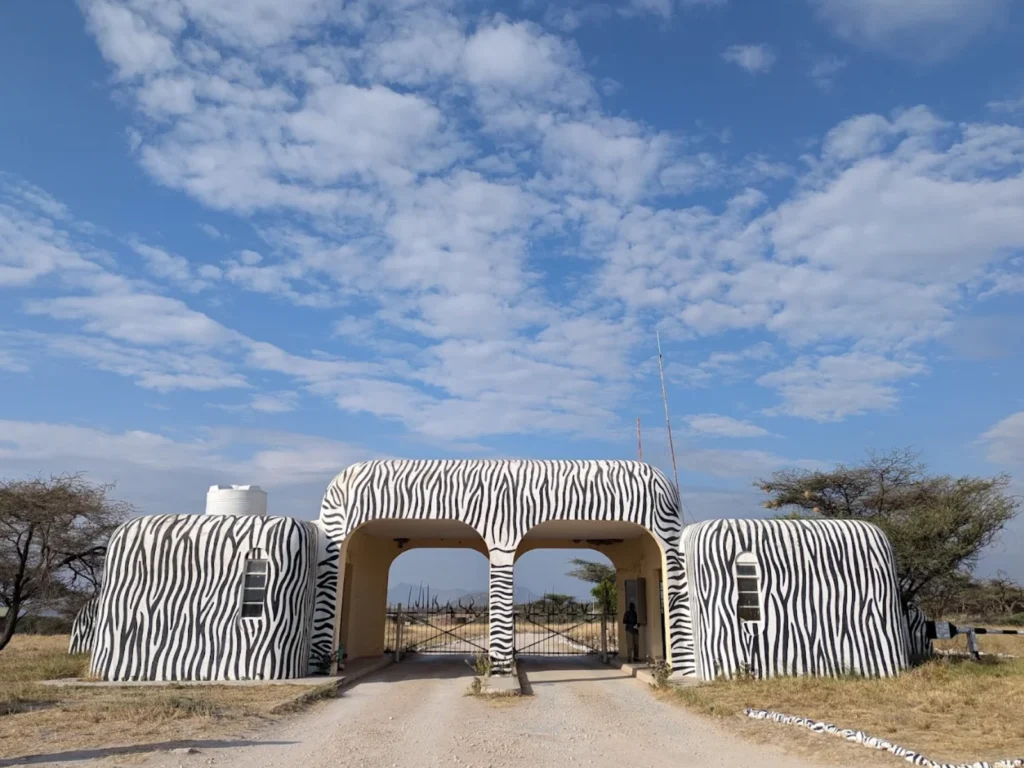
Amboseli National Park protects 392 km² at the heart of a much larger ecosystem, about 8,000 km² of Maasai land that runs across the border into Tanzania. Most of the park is flat and open: a dry lake bed, acacia woodland and grassland, broken by green swamps fed by water that filters down from Kilimanjaro and rises as springs. Those swamps hold the animals through the dry season, and they are why Amboseli has some of the most reliable elephant viewing in Africa.
Elephants and other wildlife
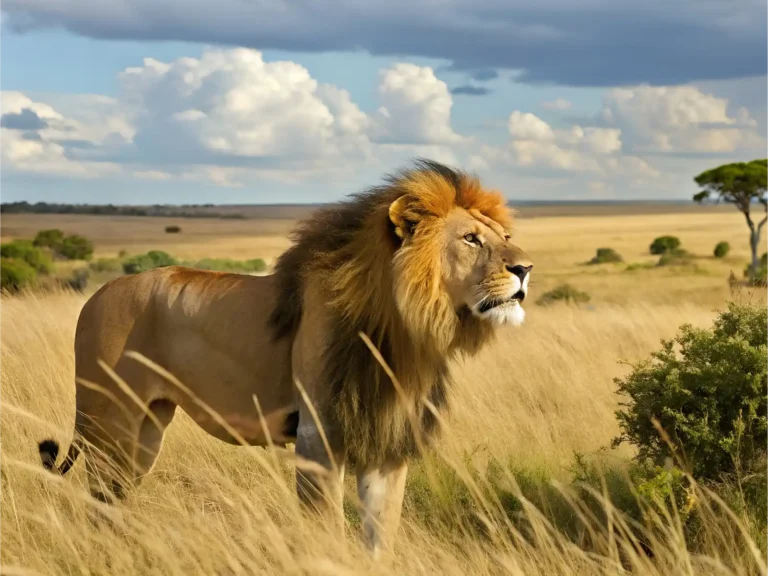
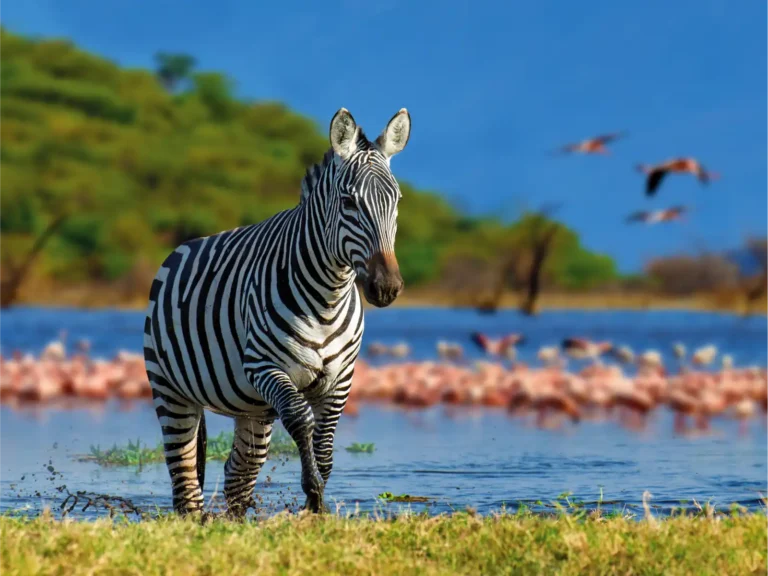
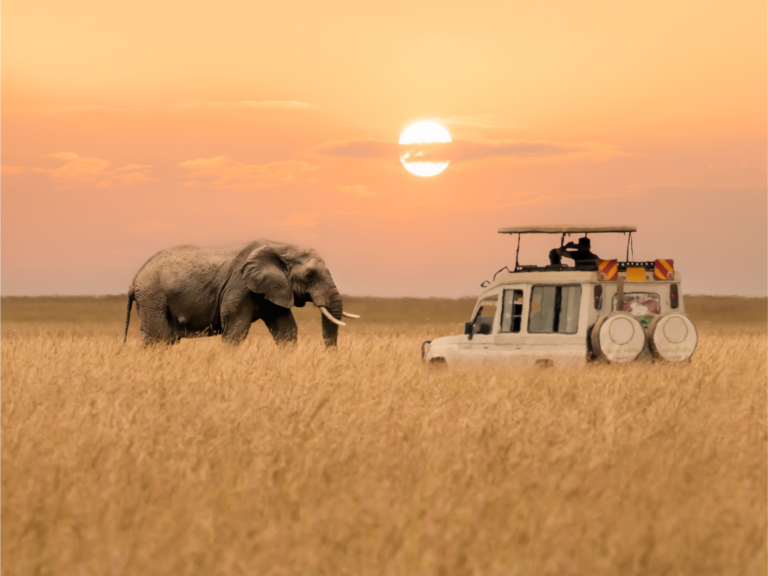
Amboseli's elephants have been studied continuously since 1972, longer than almost any other wild population, and the families are used to vehicles. Herds cross the plains in the morning to feed in the swamps and walk out again at dusk, often with the mountain behind them. Buffalo, hippos, wildebeest, zebras, giraffes and gazelles are common; lions and spotted hyenas hunt on the plains, and cheetahs are seen on the open ground. About 400 bird species have been recorded, from pelicans and herons in the swamps to 47 kinds of raptor.
Kilimanjaro
The mountain stands across the border in Tanzania, but the best-known views of it are from Amboseli. Cloud often covers the summit by mid-morning, so the classic photographs are taken at sunrise and in the last hour of light. Observation Hill, in the middle of the park, gives a wide view over the swamps and plains.
Planning a visit
Amboseli is a good first or second stop on a Kenya safari: it combines naturally with Tsavo West and the Chyulu Hills, which lie to the east, and with Nairobi. Our six-day Amboseli and Tsavo safari and seven-day Kenya Big Five safari both spend time here. Most visits are a mix of morning and afternoon game drives, with the middle of the day at the lodge. See Kenya for the rest of the country.

 6 days, 5 nights
Adjustable