
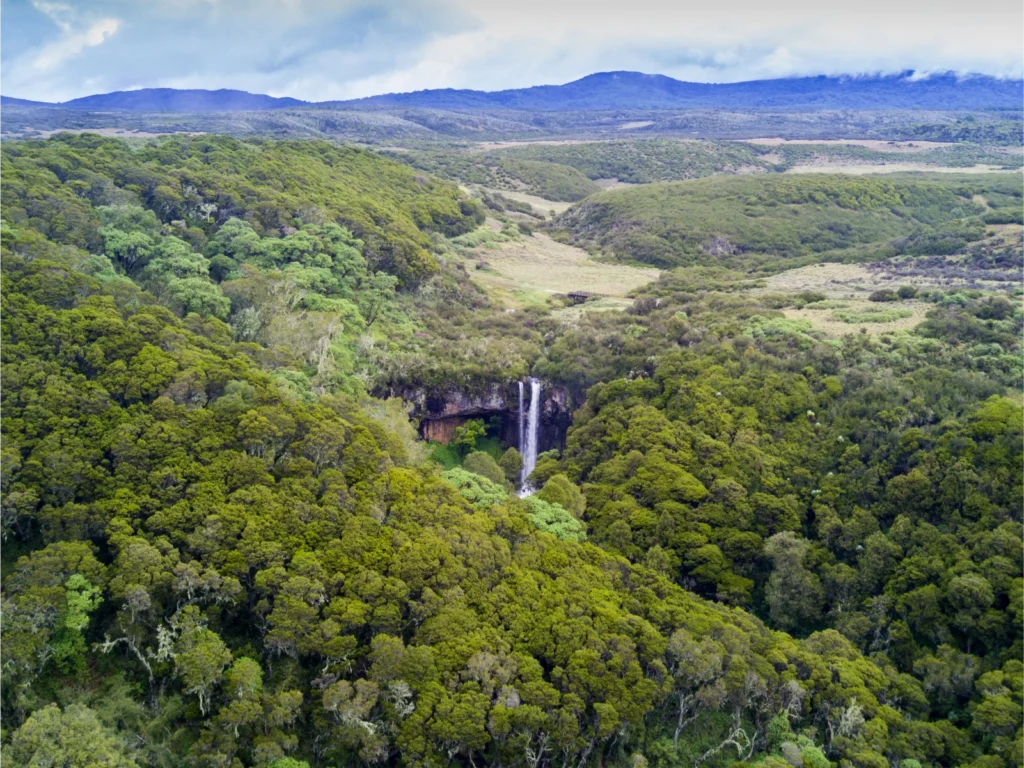
Aberdare National Park
1 trip
A specialist replies within 12 hours
Indicative prices, converted from US dollars. Your choice is remembered in this browser.
The largest surviving block of coastal forest in East Africa, near Watamu: rare birds found almost nowhere else, the golden-rumped elephant shrew and quiet forest trails.
Arabuko-Sokoke Forest, about 110 km north of Mombasa between Kilifi and Malindi, is the largest surviving fragment of the coastal forest that once ran along the East African shore. It is protected as a national forest reserve, with a small national park at its north-western edge.
The forest is internationally important for birds. Several species are found almost nowhere else on earth, among them the tiny Sokoke scops owl, Clarke's weaver, the Amani sunbird and the Sokoke pipit, and specialist birding guides know where to look for them. Its best-known mammal is the golden-rumped elephant shrew, a small, long-nosed insect-eater, and the rare Aders's duiker also lives here. Elephants pass through the forest too.
Trails and tracks lead through three kinds of woodland: mixed forest, open Brachystegia woodland and dense thicket. The forest is an easy morning from Watamu or Malindi, and pairs well with a visit to the Gede ruins nearby. See birdwatching in Kenya.
More than a thousand species in a single country: flamingos on the Rift Valley lakes, fish eagles at Naivasha and Baringo, forest specialities at Kakamega and birds found…
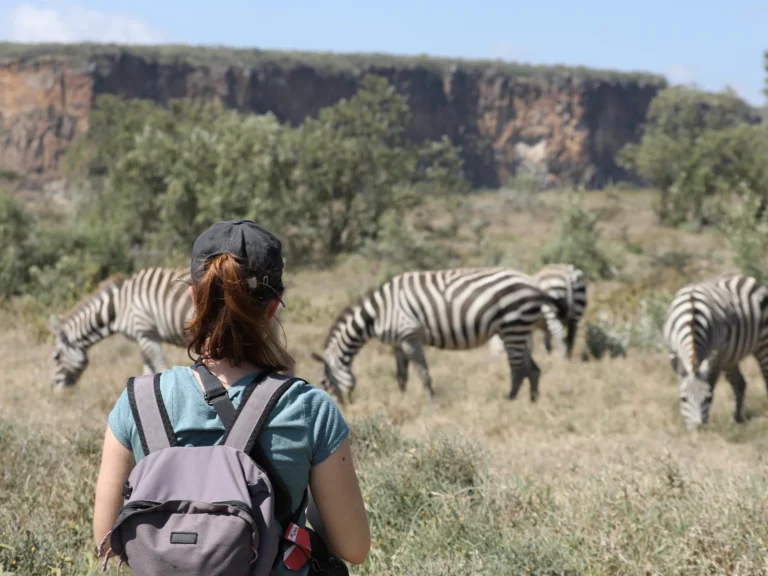
Leave the vehicle behind and explore the bush on foot with an expert guide and an armed ranger, reading tracks and noticing the small things a game drive…
Best time October and December to March
Hot and humid, with the main rains from about April to June. Early mornings are best for birds at any time of year.
-3.2667,39.8167
Entry rules and fees for Arabuko-Sokoke Forest, from the authority that sets them.
Information changes. Always verify with the official portal. We link to it directly, never to third-party visa sites.
1 trip
4 trips
Tailor-made
Tailor-made
Free quote. No commitment. Tell us your dates, a rough budget and who is coming.
TripGenius travel experts
We reply within 12 hours.
Shape your trip in 3 taps