• 1 day
  • Kenya
  • Adventure Travel
  • Easy
  • Adjustable

Dolphin Watching and Snorkelling Day Trip from Diani

A day by traditional dhow from Shimoni to Kisite-Mpunguti Marine National Park, Kenya's first Blue Park, to look for dolphins and snorkel the coral reef, with a sandbank stop and a seafood lunch on Wasini Island.

Route: Diani to Diani

from · per adult · Bronze Package US$ 110

About this trip

Kisite-Mpunguti Marine National Park is one of Kenya's best snorkelling destinations and the country's first Blue Park, a gold-standard marine conservation designation awarded by the Marine Conservation Institute for exceptional reef management. The park sits 11 km off the Kenyan coast at Shimoni, south of Wasini Island in Kwale County near the Tanzanian maritime border. This Diani dolphin snorkelling Kisite Mpunguti day trip reaches it the traditional way: a wooden Arabic-style dhow departing from Shimoni Pier, sailing across the turquoise Indian Ocean on the southwest monsoon wind.

The park's marine statistics are exceptional. Kisite-Mpunguti holds over 250 recorded fish species, 70 resident dolphins (spinner, humpback, and bottlenose), 56 coral genera, green and hawksbill sea turtles, seabirds in internationally significant nesting colonies, and seasonal humpback whales that migrate through July to December. The dolphins are the headline attraction, resident pods travel and feed through the park waters year-round, and the dhow commonly encounters them in the open water between Shimoni and the reef. On a good day, spinner dolphins surf the dhow's bow wave; on an outstanding day, a humpback surfaces in the distance. The park's entry fee is USD 17 per adult non-resident and USD 13 per child, included in all packages.

The snorkelling at Kisite is in an entirely different league from the standard Diani beach reef. The fringing reef systems around the Kisite and Mpunguti islands are among the healthiest in East Africa, protected from fishing and anchoring. Visibility of 10 to 20 metres is standard in the dry season. The water above the coral is rich with angelfish, parrotfish, grouper, moray eels, triggerfish, and, regularly, hawksbill sea turtles grazing on the table and staghorn coral.

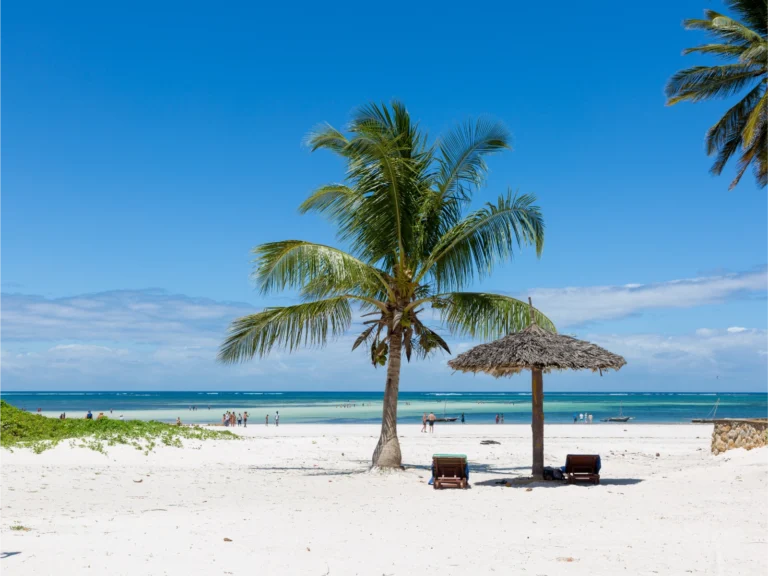
After the snorkelling, the dhow sails to a sandbank (tide-dependent), an exposed white sand bar surrounded by shallow turquoise water where you can walk in ankle-deep water with nothing but ocean in every direction. Wasini Island follows for a freshly prepared Swahili lunch served under a palm-thatch shelter: typically grilled whole fish or calamari from the morning's catch, coconut-spiced sides, chapati, and tropical fruit. The afternoon includes a guided walk to the ancient coral garden managed by the Wasini Women's Boardwalk group, a 2.5-acre meandering boardwalk through petrified coral formations that were once part of the living reef, now raised above sea level. An optional extension visits the Shimoni Slave Caves, a series of natural coral caves that were used to hold enslaved people before transportation across the Indian Ocean during the Arab-run East African slave trade in the 18th and 19th centuries.

Starts and ends in
Diani
Duration
1 day
Difficulty
Easy
Group size
1 to 12
Best months
January to March, October, December

Trip highlights

  • Sail on a traditional wooden Arabic dhow across the Indian Ocean from Shimoni Pier to Kisite-Mpunguti Marine National Park
  • Watch for spinner, humpback and bottlenose dolphins in the open water
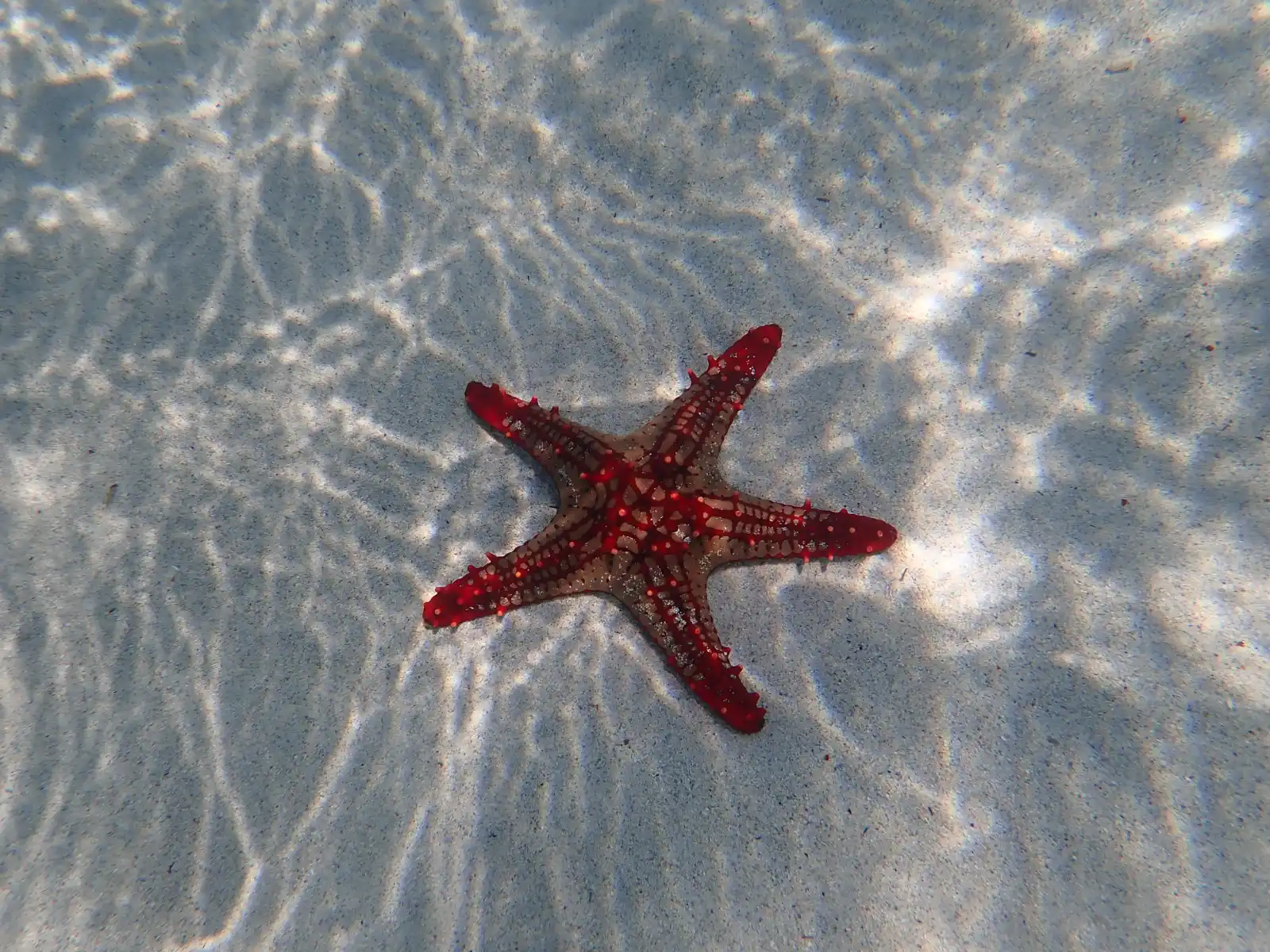
  • Snorkel the coral reefs of Kisite among reef fish, hawksbill turtles, moray eels and colourful corals
  • Walk an exposed Indian Ocean sandbank at low tide: white sand, ankle-deep water, open ocean in every direction
  • Enjoy a traditional Swahili seafood lunch on Wasini Island: grilled fresh catch, chapati, coconut sides, and tropical fruit
  • Walk the ancient coral garden on the Wasini Women's Boardwalk, petrified coral formations with a guided cultural and ecological explanation
  • Optional visit to the Shimoni Slave Caves: a historically significant site from the East African Arab-run slave trade

Day by day

Day 1 Diani to Kisite-Mpunguti to Wasini Island and Back Breakfast, Lunch

Your hotel vehicle picks you up in the early morning and drives approximately 1 hour south along the coast to Shimoni Pier, a small fishing village at the tip of the Shimoni peninsula, where the traditional dhow is moored and waiting. Board with tea, coffee, and fresh fruit as the crew prepares to sail.

The dhow sets out across the Indian Ocean toward the park. Between Shimoni and the reef, the captain and guide actively scan for dolphins. The park holds 70 resident dolphins and encounters are common, spinner dolphins are the most frequent, often travelling in fast-moving pods that criss-cross the dhow's path. The crew knows the feeding and movement patterns of the resident pods and positions the boat accordingly. Humpback dolphins move more slowly and are regularly observed at the surface; between July and December, humpback whales migrate through the park waters and sightings are an extraordinary bonus.

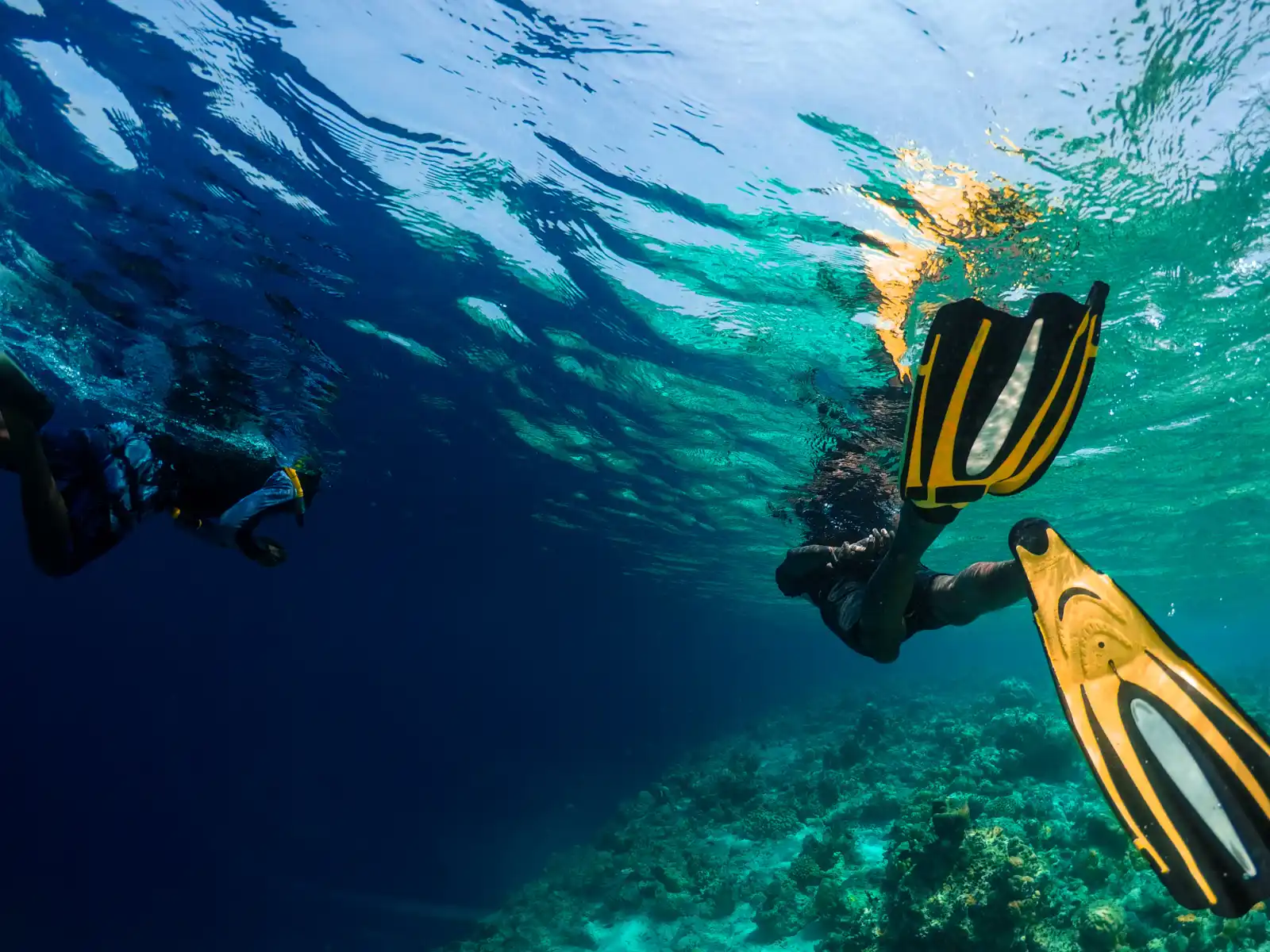
At the reef, anchor and kit up with flippers and mask (prescription masks available on board). Enter the water for a guided snorkel over the Kisite fringing reef, coral formations beginning in 2 to 3 metres and dropping to the reef wall below. Hawksbill sea turtles are consistently encountered grazing on the coral; schools of parrotfish and surgeonfish move in large formations; moray eels curl from the crevices; triggerfish, angelfish, and lionfish drift at mid-water. The guide points out species and navigates through the most active sections of the reef.

Sandbank stop (tide-dependent): the dhow moves to an exposed sandbank and passengers walk the white sand bar surrounded by flat, ankle-deep Indian Ocean. Fresh tropical fruits are served here. Return to the dhow and sail to Wasini Island's sheltered cove for a traditional Swahili lunch at a beachside open-air restaurant: typically the fresh catch of the morning grilled whole, served with coconut rice, spiced lentils, roasted plantain, and chapati, with vegetarian and chicken alternatives available.

After lunch, walk the ancient coral garden on the Wasini Women's Boardwalk: a 2.5-acre circuit through petrified coral formations and mangrove swamp on raised wooden planking, guided by a local woman from the boardwalk cooperative who explains the geological and cultural history of the formations. Optional: a 20 to 30 minute walk to the Shimoni Slave Caves (entrance fee included), a series of natural coral caves in the Shimoni peninsula used to hold enslaved people before transportation across the Indian Ocean during the Arab-run slave trade, with historical interpretation from the guide.

Board the dhow for the return sail to Shimoni Pier. Your driver transfers you back to your hotel, arriving by approximately 5:00 to 6pm

Meals
Breakfast, Lunch

What’s included

Included

  • Hotel pickup from South Coast accommodation (Diani, Galu, Tiwi, Chale area) and return drop-off (~1 hour each way via road to Shimoni Pier)
  • Traditional wooden dhow sailing to Kisite-Mpunguti Marine National Park and Wasini Island
  • Kisite-Mpunguti Marine Park entry fee (USD 17/adult, USD 13/child: non-resident rates)
  • Guided dolphin watching in open park waters (resident spinner, humpback, and bottlenose dolphin pods)
  • Guided snorkelling session at the Kisite fringing reef (flippers and prescription diving masks provided)
  • Sandbank stop at low tide (tide-dependent: guide confirms each morning)
  • Swahili breakfast on board: tea, coffee, and fresh tropical fruits
  • Swahili seafood lunch on Wasini Island: grilled fresh fish or calamari, coconut rice, spiced lentils, chapati, tropical fruit (vegetarian and chicken alternatives available)
  • 2 beers or 2 glasses of wine per adult (at lunch and on the return journey)
  • Soft drinks and drinking water throughout the day
  • Guided walk: Wasini Women's Boardwalk coral garden (free entrance, included)
  • Shimoni Slave Caves entrance (included: normally ~€4/person)
  • Waterproof camera on board and shared footage (video/photos from the day)
  • Music on board; toilet facilities on board
  • Private champagne on sandbank (Gold Package only)
  • Second reef snorkelling site and premium multi-course lunch (Gold Package only)
  • 24/7 TripGenius Travel support

Not included

  • Kenya eTA (USD 34.09: apply at etakenya.go.ke before travel)
  • International flights to/from Kenya
  • ravel insurance (recommended; include marine and water activity cover)
  • Tips and gratuities for guide, captain, and crew (recommended: USD 5 to 10/person)
  • Personal items, sunscreen (biodegradable recommended: conventional sunscreen damages coral reefs), and souvenirs
  • SCUBA diving (can be arranged separately: Shimoni area has established dive operators)
  • Personal medications (seasickness tablets recommended for sensitive travellers: available at Diani pharmacies)

Choose your package

  • Bronze Package from · per adult US$ 110
  • Silver Package from · per adult US$ 195
  • Gold Package from · per adult US$ 300

Before you travel

Visa and entry

Most visitors need an Electronic Travel Authorisation (eTA), applied for online on the official portal before travel; Kenya no longer issues visas on arrival. Citizens of the East African Community partner states (Burundi, the Democratic Republic of the Congo, Rwanda,…

Kenya travel information

Best season

Kenya lies on the equator, so its seasons follow the rains rather than the temperature. The long rains fall from about March to May and the short rains in November and early December; the rest of the year is mostly…

Information changes. Always verify with the official portals, which each country page links to directly.

Questions about this trip

Are dolphin sightings guaranteed?

No wildlife sighting in open ocean can be guaranteed, but dolphin encounters at Kisite-Mpunguti are among the most consistent in East Africa. The park's resident dolphin population of 70 animals (spinner, humpback, and bottlenose) maintains consistent activity levels throughout the year. The captain and guide use local knowledge built from daily trips to locate feeding and travelling pods. The vast majority of departures encounter dolphins. On days when dolphins are not present in the outbound waters, the snorkelling at the coral reef and the Wasini Island lunch more than compensate.

What is the best time of year to visit Kisite-Mpunguti?

October through March, when the northeast monsoon brings stable weather conditions and the calmest seas, offers the best snorkelling visibility and most reliable dolphin encounters. July to September is also excellent, with peak humpback whale migration adding the possibility of an exceptional open-water encounter. Avoid April through June, the long rains reduce sea visibility and make seas rougher.

Do I need to be an experienced swimmer to snorkel?

Basic swimming ability is required, you need to be comfortable in open water and able to float face-down with a snorkel mask. You do not need to be a strong swimmer, and the guide stays in the water with the group throughout. Life vests are available on request for non-swimmers who want to participate in the sandbank and boat sections but not snorkel. Flippers are provided; if you have prescription eyesight, prescription diving masks are available on board.

What is the Shimoni Slave Caves and should I visit?

The Shimoni Slave Caves are a series of natural coral caves in the Shimoni peninsula that were used as holding places for enslaved people captured in the interior of East Africa and awaiting transportation across the Indian Ocean to Arabia, Persia, and India during the Arab-run slave trade in the 18th and 19th centuries. The caves are a historically significant site and their interpretation connects the Indian Ocean slave trade, less known than the Atlantic trade but equally vast in scale, to the specific geography of the Kenyan coast. The walk is included in the itinerary (entrance normally €4/person; included in all packages). It is a sobering 20 to 30 minutes that adds meaningful cultural and historical depth to the day.

What is the Wasini Women's Boardwalk coral garden?

The coral garden is managed by the Wasini Women's Boardwalk cooperative, a community enterprise run by women from Wasini Island. The 2.5-acre site preserves and interprets an ancient coral reef now raised above the waterline, featuring petrified coral formations, mangrove swamp channels, and tidal pools along a meandering wooden boardwalk. The guided walk takes 30 to 45 minutes and includes ecological and cultural explanation of the reef's history, the surrounding marine ecosystem, and the women's cooperative's role in conservation and community income. Entrance is free and included in all packages.

Does my conventional sunscreen damage the coral?

Yes. Chemical compounds in conventional sunscreens, particularly oxybenzone and octinoxate, cause coral bleaching and reef degradation and are banned in several marine-protected areas globally. Kisite-Mpunguti's reef health is partly due to active conservation. We strongly recommend using biodegradable, reef-safe sunscreen (titanium dioxide or zinc oxide base) before entering the water. Diani Beach pharmacies and surf shops stock reef-safe options.

from · per adult US$ 110

Request a Quote

Rates By Exchange Rate API