• 4 days · 3 nights
  • Kenya
  • Combined and Multi-Experience Trips
  • Easy
  • Adjustable

4-Day Kenya Safari: Lake Nakuru, Maasai Mara and Aberdare

A four-day safari from Nairobi to three very different parks: Lake Nakuru, a fenced sanctuary for black and white rhinos; the Maasai Mara, for big cats and, from about July to October, the wildebeest migration; and the forest and moorland of Aberdare National Park.

Route: Nairobi, Kenya to Nairobi

from · per adult · Bronze Package US$ 550

About this trip

This 4-day Kenya safari circuit from Nairobi takes you through three parks that look and feel nothing like each other, a design that gives you a complete cross-section of Kenya's wildlife and landscape in a short window.

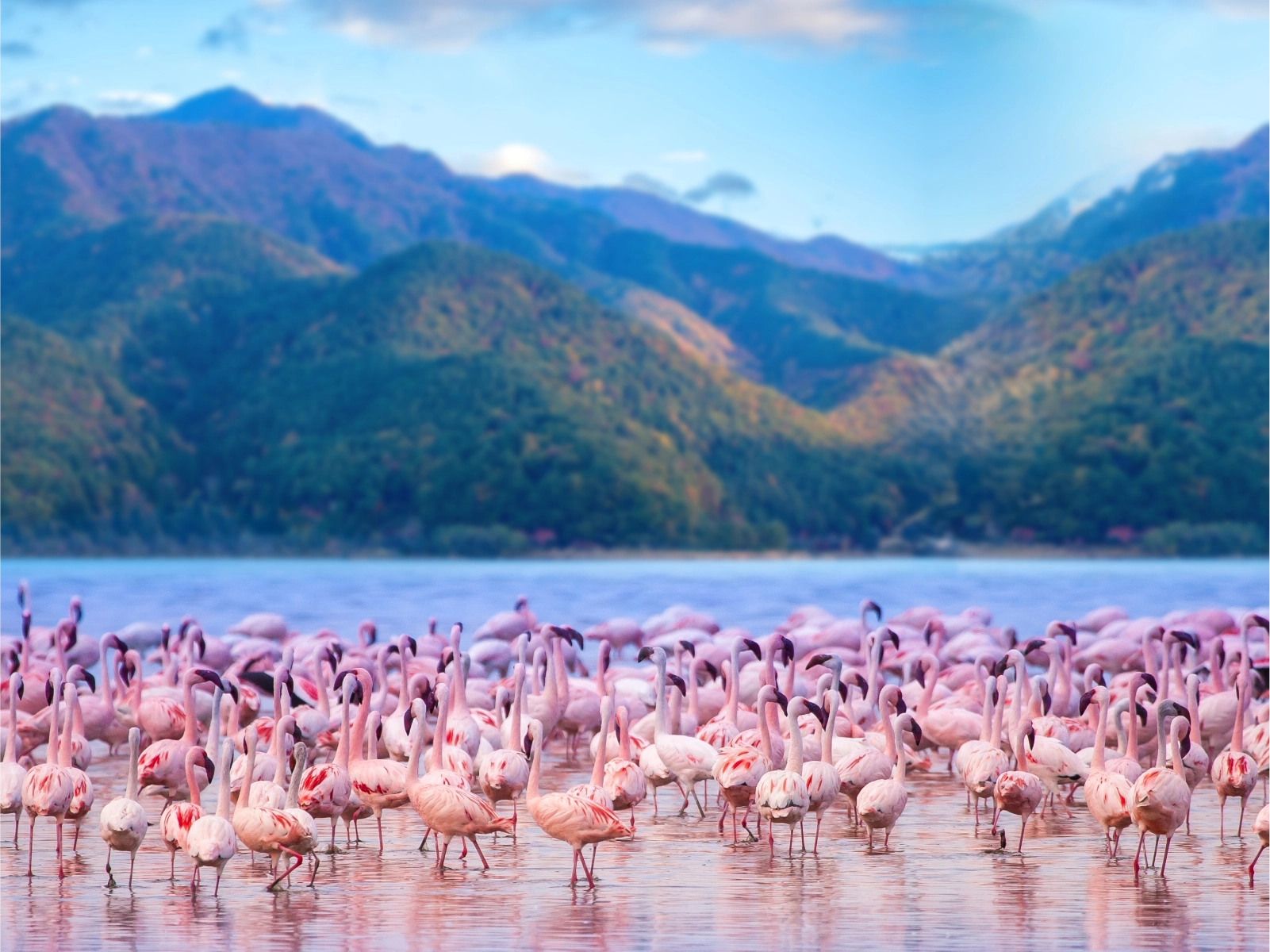
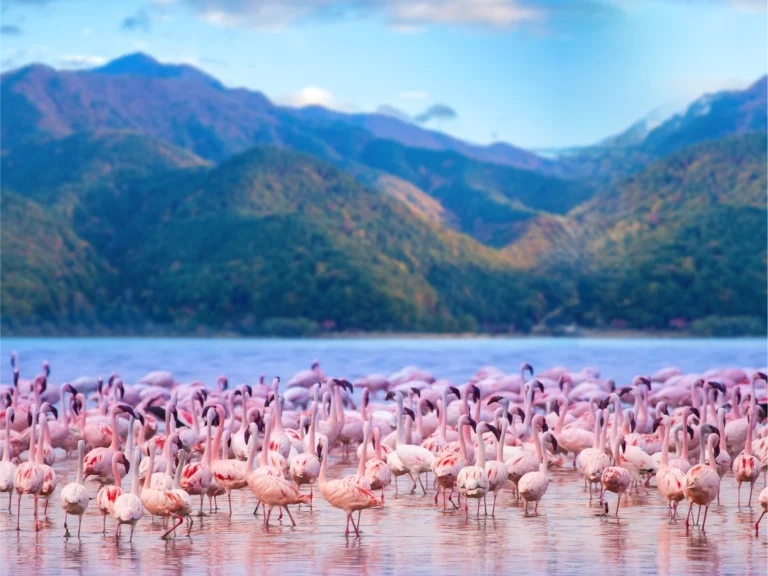
Day 1 goes north to Lake Nakuru National Park, a fully fenced 188 km² soda lake sanctuary in the Rift Valley. Nakuru is Kenya's most reliable park for both black and white rhinos and holds one of the country's few stable populations of Rothschild's giraffe, an endangered subspecies successfully reintroduced here over decades of conservation effort. Flamingos are resident on the alkaline lake shore in variable numbers alongside African fish eagles, pelicans, and over 400 bird species.

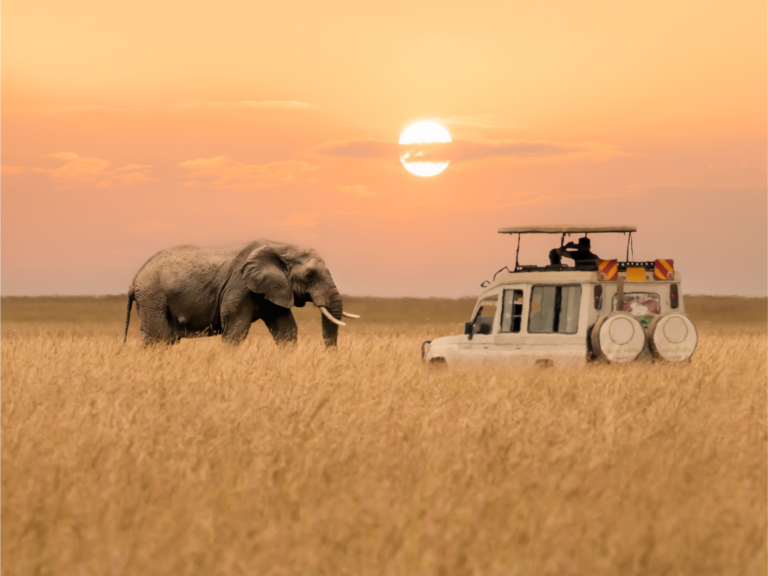
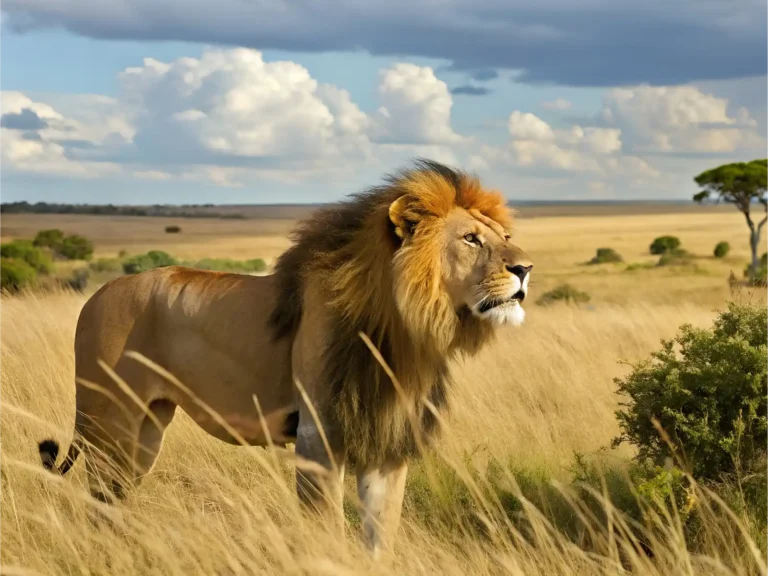
Day 2 swings south to the Maasai Mara: Kenya's most celebrated reserve, where lions, leopards, elephants, buffalo, and cheetahs roam 1,510 square kilometres of open savannah. Day 3 begins with a pre-dawn game drive when predators are most active, followed by a cultural visit to a traditional Maasai boma before the long afternoon drive north to the Aberdare region. The transition from the open Mara plains to the forested Aberdare highlands is one of Kenya's most dramatic landscape shifts: the temperature drops, the vegetation closes in, and the wildlife changes entirely.

Day 4 is Aberdare National Park: 767 km² of bamboo forest, moorland, and steep ravines at elevations between 2,000 and 4,000 metres. This is where Kenya's mountain bongo lives, one of the world's rarest large mammals, alongside black rhinos, leopards, elephants, bushbuck, giant forest hogs, spotted hyenas, and white colobus monkeys. Waterfalls are a defining feature of Aberdare: Karuru Falls, at approximately 273 metres, is Kenya's highest waterfall. The park carries an extraordinary piece of history: it was at Treetops Lodge in Aberdare in 1952 that a young Princess Elizabeth learned of her father's death and became Queen Elizabeth II. The circuit returns to Nairobi in the afternoon of Day 4.

Starts and ends
Nairobi, Kenya to Nairobi
Duration
4 days, 3 nights
Difficulty
Easy
Group size
1 to 7
Best months
January to February, November to December

Trip highlights

  • See both black and white rhinos in Lake Nakuru's fully fenced national park: Kenya's most important rhino sanctuary
  • Spot the endangered Rothschild's giraffe, one of Africa's rarest giraffe subspecies
  • Track the Big Five across the Maasai Mara's open savannah: lion, leopard, elephant, buffalo, and rhino
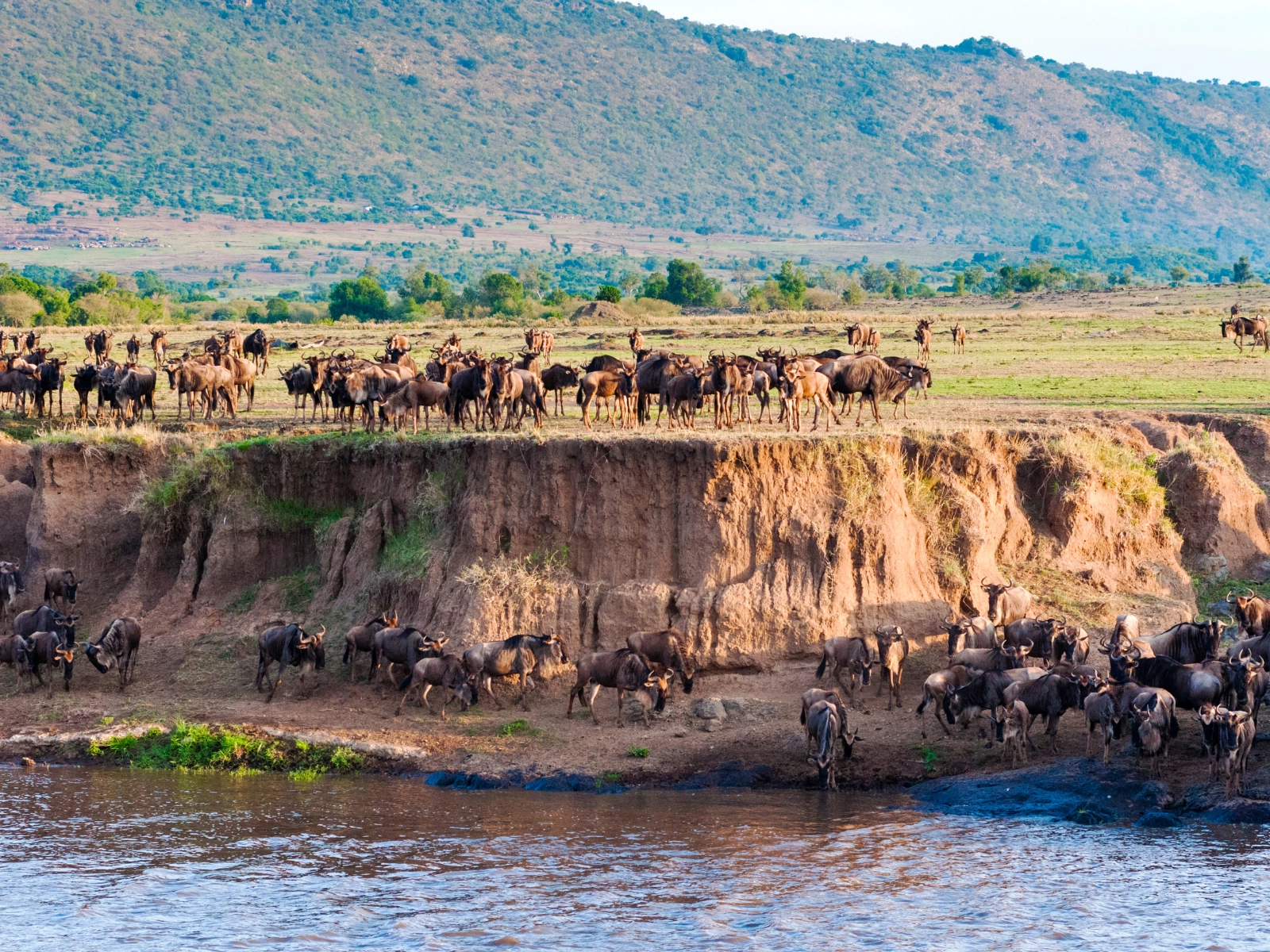
  • Watch for the Great Wildebeest Migration at the Mara River between July and October
  • Visit a traditional Maasai boma: witness the adumu jumping ceremony and learn about Maa pastoral life
  • Explore Aberdare National Park's bamboo forest and montane moorland: a safari environment unlike any other in Kenya
  • Watch for the rare mountain bongo antelope, giant forest hog and black-and-white colobus monkeys in Aberdare's dense highland forest
  • Walk to a waterfall in Aberdare: Karuru Falls drops approximately 273 metres, Kenya's highest

Day by day

Day 1 Nairobi to Lake Nakuru National Park Lunch, Dinner

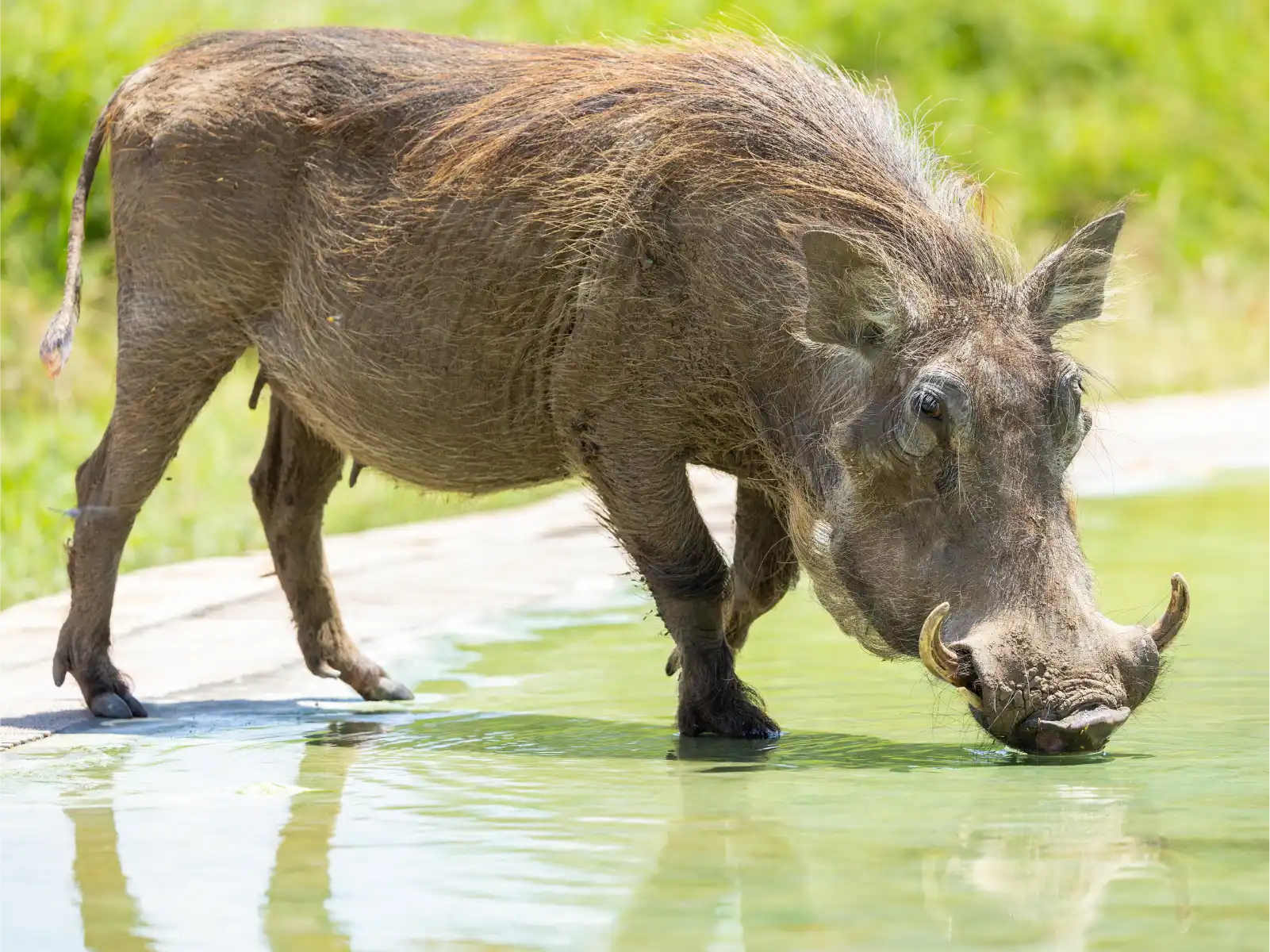
Depart Nairobi in the morning and drive northwest on the A104 highway, descending the Rift Valley escarpment into the open acacia woodland of the valley floor. Arrive at Lake Nakuru National Park for your game drive. Lake Nakuru's 188 km² fully fenced park is Kenya's most dependable destination for both black and white rhinos, the park's long-running KWS protection programme has made it one of the few places in East Africa where both species are reliably sighted. Rothschild's giraffe, one of Africa's most endangered giraffe subspecies, is resident and visible from the shoreline track. The alkaline lake hosts flamingos in numbers that fluctuate with the lake's water chemistry, your guide will advise on current conditions before the drive. Lions, leopards, buffalo, baboons, and warthogs are present across the wooded savannah. After the game drive, check into your lodge near the park for dinner and overnight.

Meals
Lunch, Dinner
Day 2 Nakuru to Maasai Mara: First Game Drive Breakfast, Lunch, Dinner

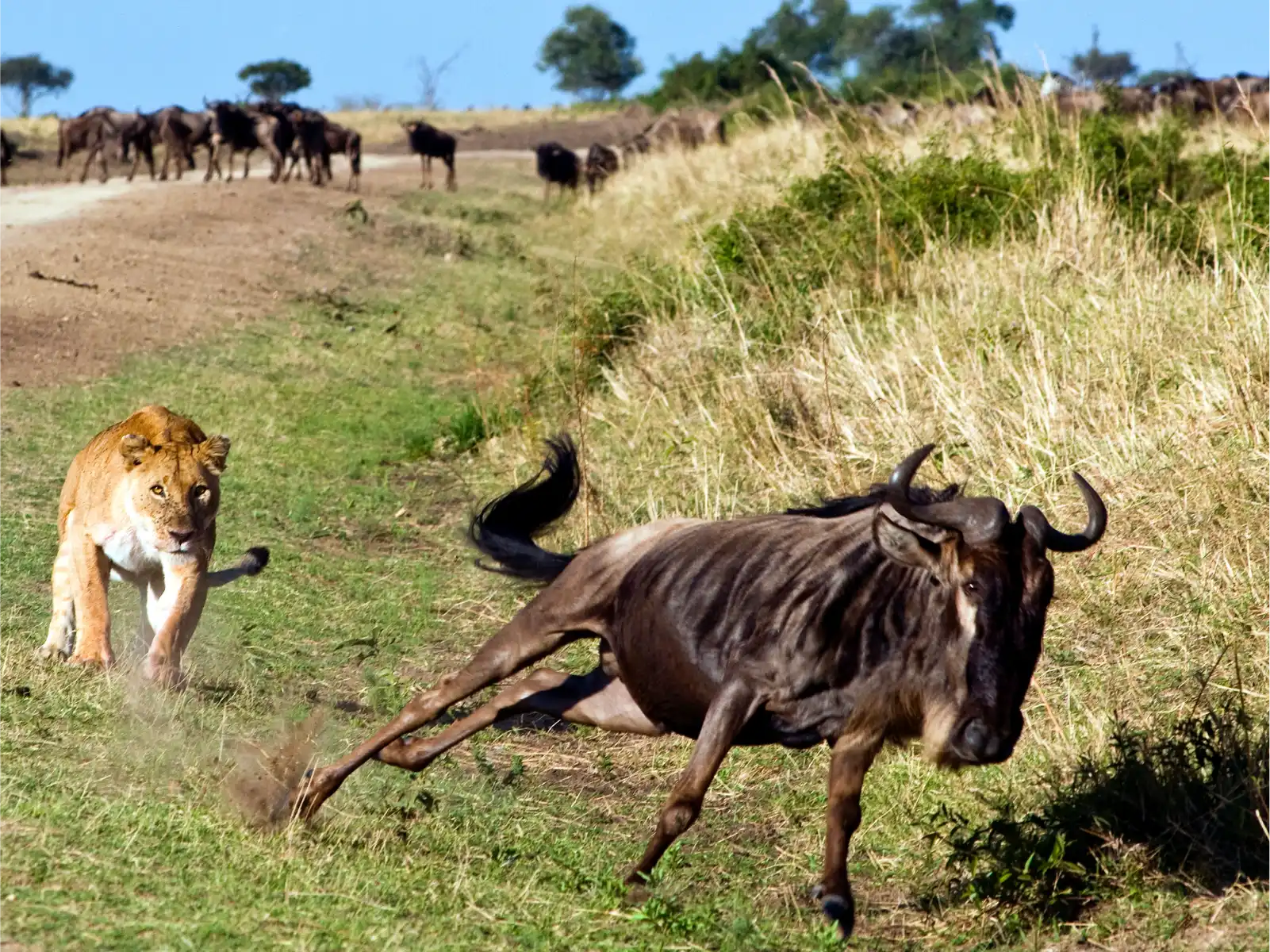
After breakfast, drive south through Narok County toward the Maasai Mara (approximately 4 to 5 hours), passing Maasai grazing lands and the Mara escarpment before descending into the reserve. Arrive at your camp in the early afternoon for lunch and a short rest. At 4pm, depart for your first game drive across the Mara Reserve's open savannah: lions become active in the cooler late-afternoon light, cheetahs survey the plains from termite mounds, and elephant herds drift toward water. From July to October, the Great Wildebeest Migration brings over 1.5 million animals through the reserve, with Mara River crossings attended by enormous Nile crocodiles. Return to camp for dinner and overnight.

Meals
Breakfast, Lunch, Dinner
Day 3 Maasai Mara: Sunrise Safari, Maasai Village, Drive to Aberdare Breakfast, Lunch, Dinner

Rise before dawn for an early morning game drive, the Mara's most productive wildlife window. Lions and leopards are active on the return from the night's hunt; large herds of zebra, wildebeest, and buffalo move across the plains in the golden pre-sunrise light. Return to camp for breakfast, then visit a nearby traditional Maasai boma for a cultural experience: meet the community elder, see inside the mud-and-thatch houses, watch the adumu jumping ceremony performed by Maasai warriors, and hear about the pastoral Maa culture that has coexisted with Mara wildlife for centuries.

In the late morning, begin the long drive north to the Aberdare region. This is a significant cross-country transfer of approximately 5 to 6 hours, routing through Narok, Naivasha, and on to the Central Highlands. The landscape shifts progressively from open savannah to highland farmland and finally to the cool, forested hills surrounding the Aberdare Range. A lunch stop is made en route. Arrive at your lodge near Aberdare National Park (Nyeri/Mweiga area) in the early evening. Dinner and overnight.

Meals
Breakfast, Lunch, Dinner
Day 4 Aberdare National Park: Highland Forest Safari Breakfast, Lunch, Dinner

Enter Aberdare National Park in the morning: 767 km² of forested highland wilderness at elevations between 2,000 and 4,000 metres, where the ecosystem and the wildlife are entirely different from the parks you have visited on Days 1 to 3. The park's lower zone (the Salient) offers the best game drives: black rhinos, leopards, elephants, and buffalo move through dense bamboo and hagenia forest broken by open glades. The mountain bongo, one of the world's rarest large mammals, is present here, though sightings require patience and good fortune. Giant forest hogs, the world's largest pig species, are commonly encountered; white colobus monkeys move through the forest canopy; spotted hyenas and bushbuck are resident throughout. Your guide can also lead a short walk to a waterfall, Karuru Falls drops approximately 273 metres through the forested gorge, making it Kenya's highest waterfall. The park was the setting for a pivotal moment in history: it was at Treetops Lodge in Aberdare on the night of 5 to 6 February 1952 that Princess Elizabeth learned of her father's death and became Queen Elizabeth II.

After the morning in the park, drive back to Nairobi (approximately 2.5 to 3 hours), arriving in the afternoon for drop-off at your hotel or Jomo Kenyatta International Airport.

Meals
Breakfast, Lunch, Dinner

What’s included

Included

  • 3 nights' accommodation as specified per package tier:
  • Night 1: Lodge near Lake Nakuru National Park
  • Night 2: Lodge or tented camp, Maasai Mara (Bronze: shared; Silver/Gold: private)
  • Night 3: Lodge near Aberdare National Park (Nyeri/Mweiga area)
  • All meals as specified: Days 1 to 4 (B/L/D at lodge; lunch stop en route on Day 3)
  • All game drives per the itinerary:
  • Day 1: Game drive, Lake Nakuru National Park
  • Day 2: Afternoon game drive, Maasai Mara (4:00 to 6pm)
  • Day 3: Sunrise game drive, Maasai Mara (early morning)
  • Day 4: Morning game/nature experience, Aberdare National Park
  • Traditional Maasai village cultural visit (Day 3)
  • Optional guided walk near Aberdare waterfall (Day 4)
  • All KWS national park entry fees: included for January to June travel:
  • Lake Nakuru: USD 90/adult | Maasai Mara: USD 100/adult | Aberdare: USD 70/adult
  • Safari vehicle with pop-up roof (4WD throughout: essential for Aberdare)
  • Professional English-speaking wildlife guide and driver
  • Nairobi hotel pickup (Day 1) and drop-off (Day 4 afternoon)
  • Bottled water in vehicle throughout
  • 24/7 TripGenius Travel support

Not included

  • Kenya Electronic Travel Authorisation (eTA), applied for online at etakenya.go.ke before travel
  • International flights to/from Nairobi
  • Travel insurance (required: strongly recommended)
  • Hot air balloon safari, Maasai Mara (~$440–$500/person: must be pre-booked)
  • Optional Crescent Island walk or Lake Naivasha extension (if added en route)
  • Tips and gratuities for guide and lodge staff (recommended: USD 10 to 15/person/day for guide)
  • Personal alcoholic beverages at lodges
  • Personal items and laundry

Choose your package

  • Bronze Package from · per adult US$ 550
  • Silver Package from · per adult US$ 1,200
  • Gold Package from · per adult US$ 2,200

Before you travel

Visa and entry

Most visitors need an Electronic Travel Authorisation (eTA), applied for online on the official portal before travel; Kenya no longer issues visas on arrival. Citizens of the East African Community partner states (Burundi, the Democratic Republic of the Congo, Rwanda,…

Kenya travel information

Best season

Kenya lies on the equator, so its seasons follow the rains rather than the temperature. The long rains fall from about March to May and the short rains in November and early December; the rest of the year is mostly…

Information changes. Always verify with the official portals, which each country page links to directly.

Questions about this trip

Why is Aberdare National Park included in this safari rather than a second full day in the Mara?

The inclusion of Aberdare gives this 4-day circuit something most Kenya safaris don't offer: a high-altitude forest safari that is completely different in terrain, atmosphere, and wildlife. The Mara delivers open savannah and Big Five; Aberdare delivers bamboo forest, mossy ravines, rare mammals like the mountain bongo and giant forest hog, and Kenya's most dramatic waterfall scenery. Together, the three parks give a more representative picture of Kenya's extraordinary ecological diversity.

Are park fees really included in the price?

Yes, for January to June travel. The base package includes all KWS entry fees for Lake Nakuru (USD 90/adult), Maasai Mara (USD 100/adult), and Aberdare (USD 70/adult), totalling approximately USD 260 per adult. For travel from 1 July to 31 December, the Maasai Mara fee increases from USD 100 to USD 200 per adult per Narok County's seasonal pricing structure. The additional USD 100/adult peak season surcharge is charged separately and clearly at the time of booking, there are no hidden fees.

How long is the drive from Maasai Mara to Aberdare on Day 3?

Approximately 5 to 6 hours, routing north through Narok, Naivasha, and the Central Highlands. The Maasai village visit ends mid-morning, departure from the Mara is around 11am–12pm, and arrival at the Aberdare-area lodge is typically in the early evening. This is the longest single driving day of the trip and is planned deliberately, the Aberdare game experience is on Day 4 morning when you are rested. Lunch is served en route.

What is the bongo antelope and how rare is it?

The mountain bongo (Tragelaphus eurycerus isaaci) is a large, chestnut-coloured forest antelope with distinctive white vertical stripes and spiral horns. It is critically endangered in the wild, with an estimated wild population of only 70 to 100 animals remaining in Kenya, mainly in Aberdare and Mount Kenya's highland forests. Aberdare National Park is one of the world's most important remaining habitats for the species. Sightings are not common but occur in the forested glades of the Salient zone. The Kenya Wildlife Service and Mountain Bongo Recovery Programme run a captive breeding programme at the Mweiga area, adjacent to the park.

What should I pack for the Aberdare section of the trip?

Aberdare is significantly cooler than the Mara and Nakuru: at 2,000 to 4,000 metres elevation, temperatures can drop to 8 to 12°C at night and in the morning. Pack a fleece or light jacket, waterproof outer layer (forest drizzle is common), and closed-toed shoes for the waterfall walk. The shift from warm Mara savannah to cool Aberdare highland on Day 3 is dramatic, having a light layer ready in your daypack is essential.

from · per adult US$ 550

Request a Quote

Rates By Exchange Rate API