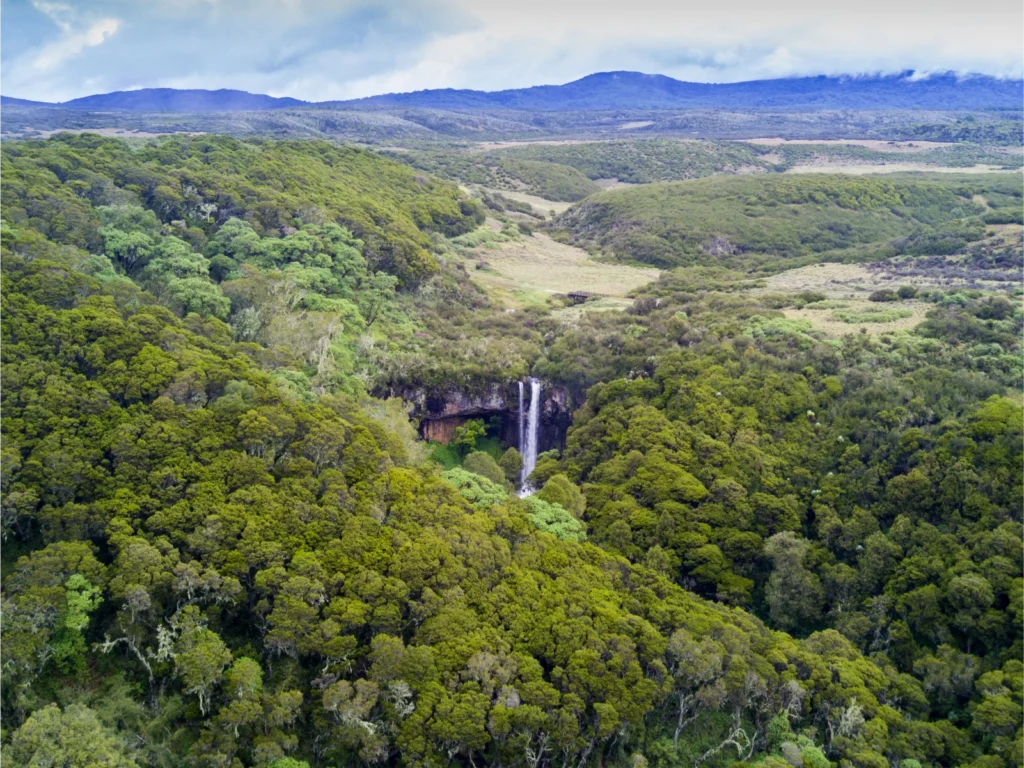
The Laikipia Plateau lies on the equator between the Great Rift Valley to the west and Mount Kenya to the east, and drains north through the Ewaso Ng'iro river towards Samburu. It has no national park: instead it is a patchwork of cattle ranches, private conservancies and community land, much of it now managed for wildlife alongside livestock. That arrangement has made Laikipia one of the most important areas for wildlife in Kenya outside the parks.
Wildlife
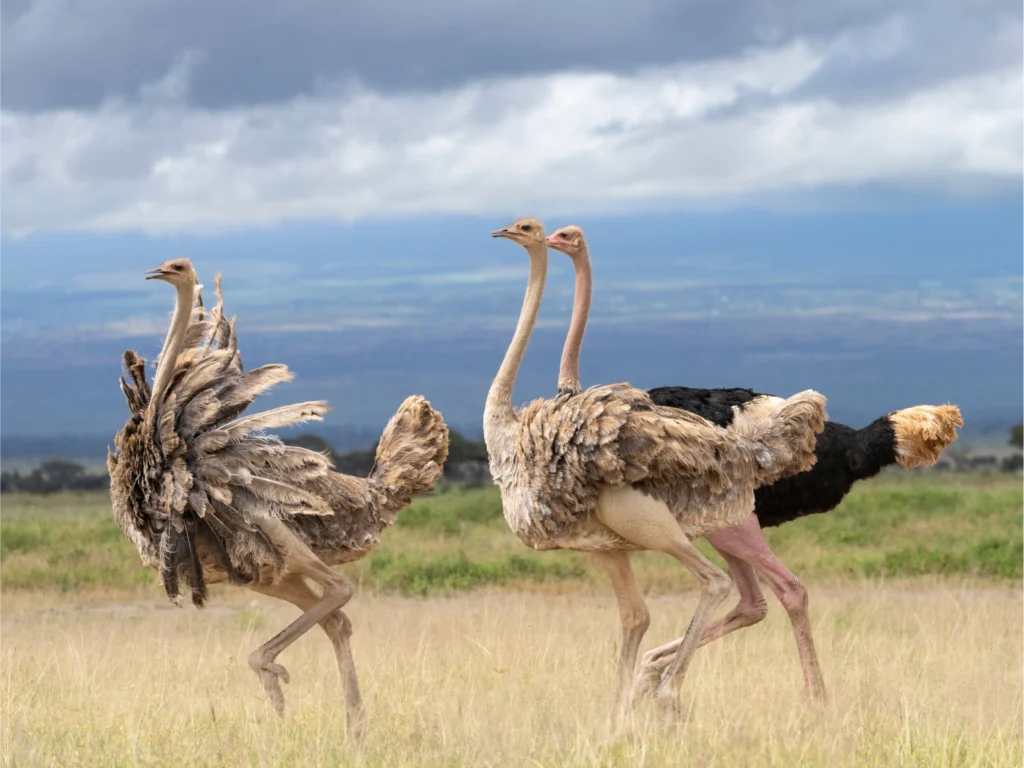
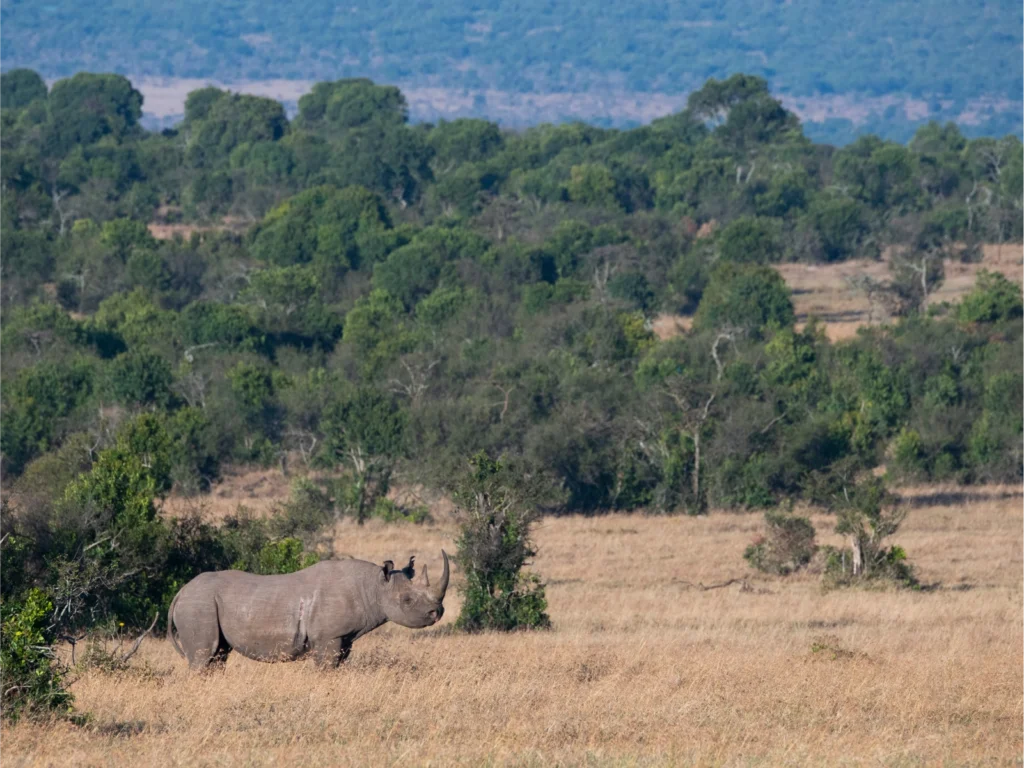
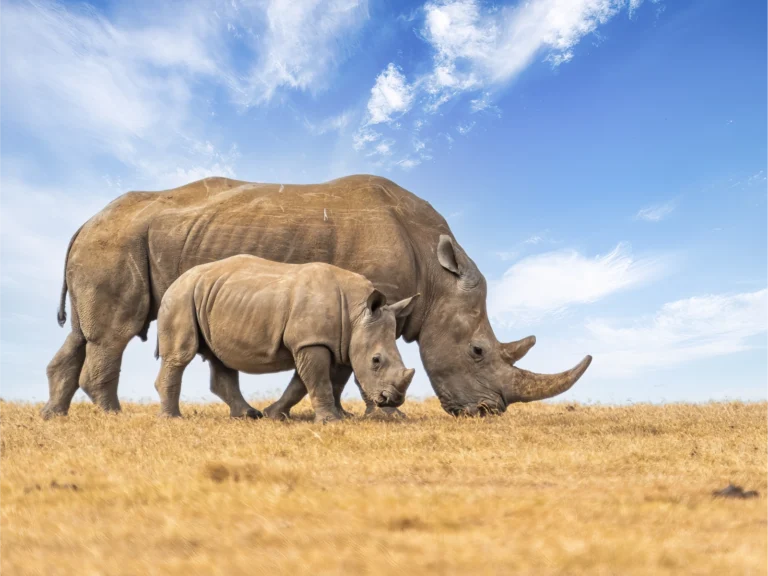
Laikipia is a stronghold of the black rhino, held in sanctuaries such as Ol Pejeta and Lewa. It is also home to many of the world's remaining Grevy's zebras, to reticulated giraffes and beisa oryx in the drier north, and to packs of African wild dogs, which roam widely across the plateau. Elephants, lions, leopards and cheetahs are found throughout.
How to explore
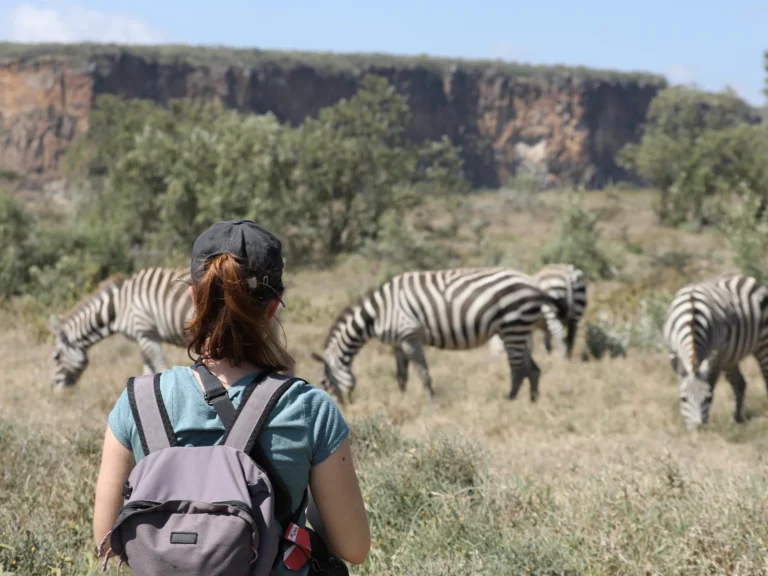
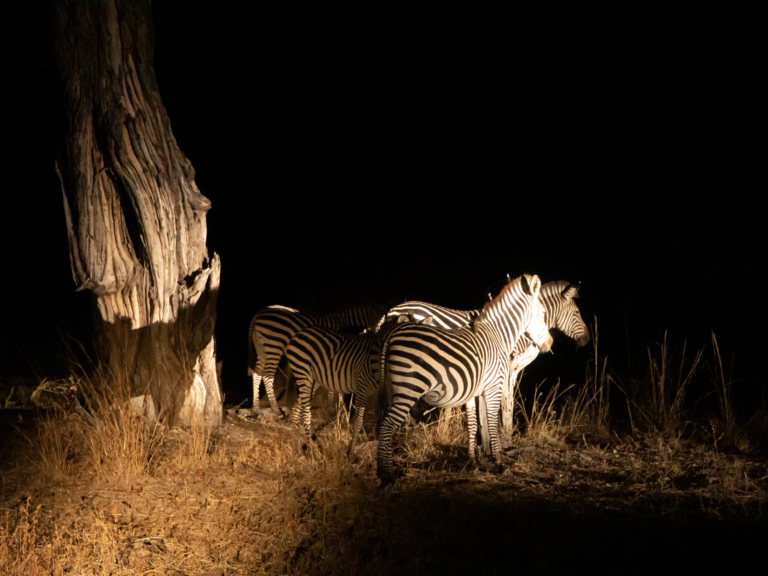
Because most of the land is privately managed, Laikipia offers things the national parks cannot: walking safaris, horse and camel riding, night drives and fly camping, usually from small lodges and camps. Conservancies include Ol Pejeta and Lewa, which are open to visitors, and others such as Borana, Loisaba and Ol Jogi that are reached through their own lodges, as well as community conservancies such as Il Ngwesi.
Planning a visit
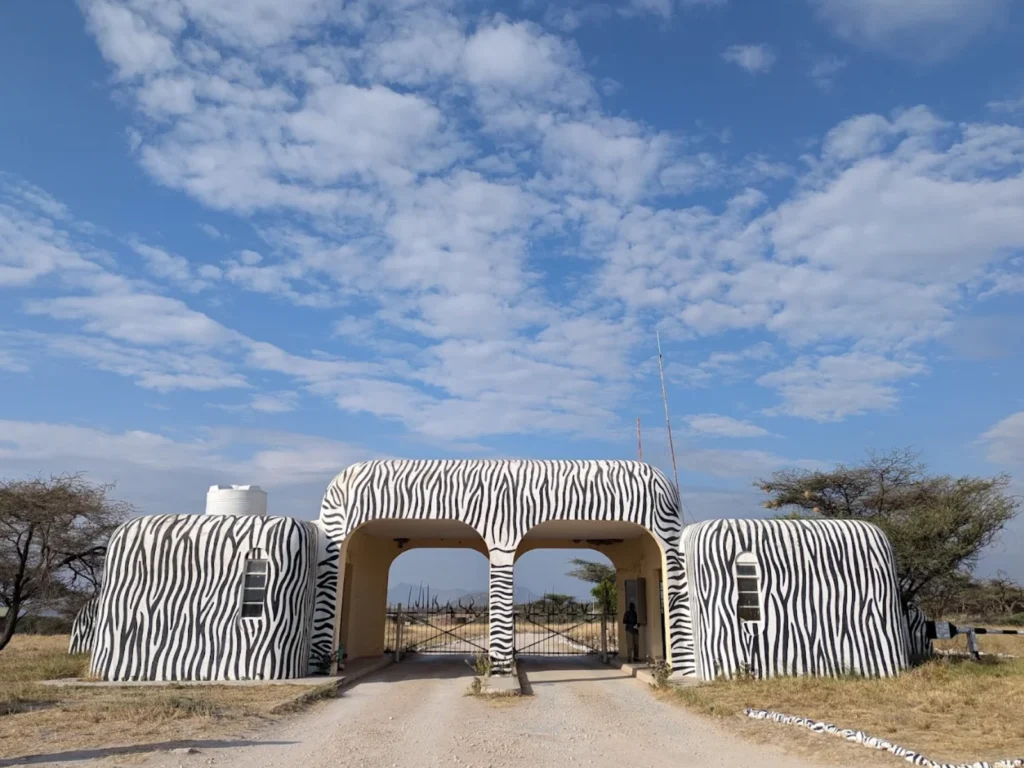
Nanyuki is the main town and the base for Mount Kenya's northern and western routes; there are flights from Nairobi to its airstrips. Laikipia combines well with Samburu to the north. Our Ol Pejeta day trip from Nairobi is a short introduction.

 1 day
Adjustable