
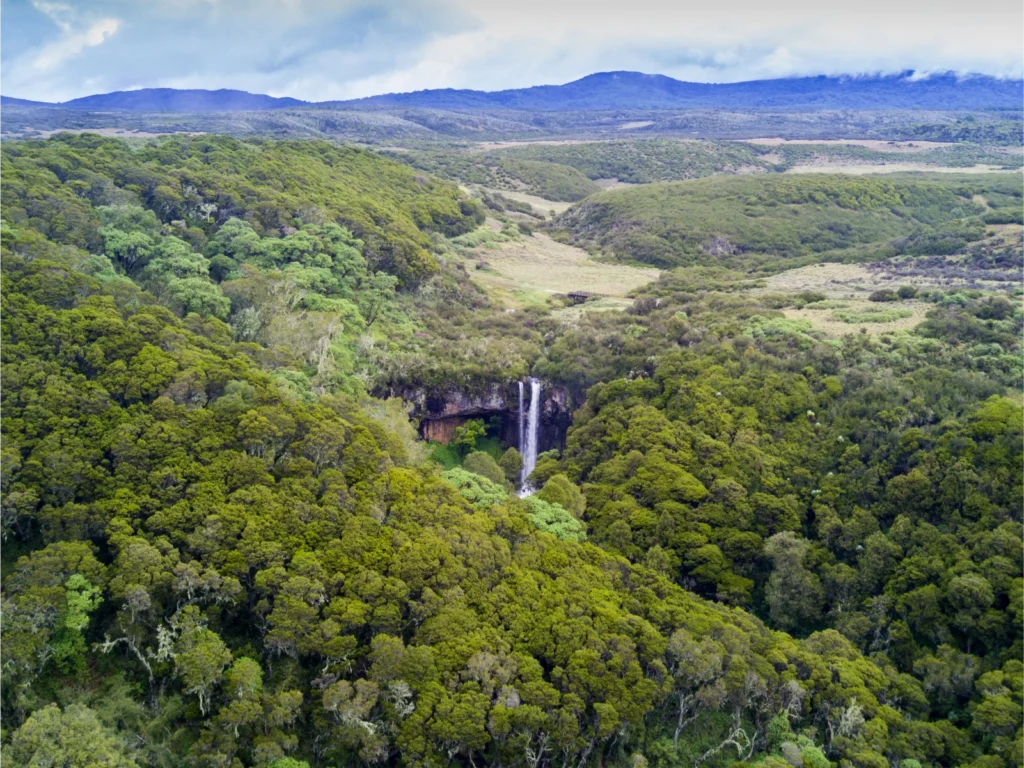
Aberdare National Park
1 trip
A specialist replies within 12 hours
Indicative prices, converted from US dollars. Your choice is remembered in this browser.
A pioneering conservancy north of Mount Kenya, part of the mountain's World Heritage Site: black and white rhinos and the world's largest single population of Grevy's zebras.
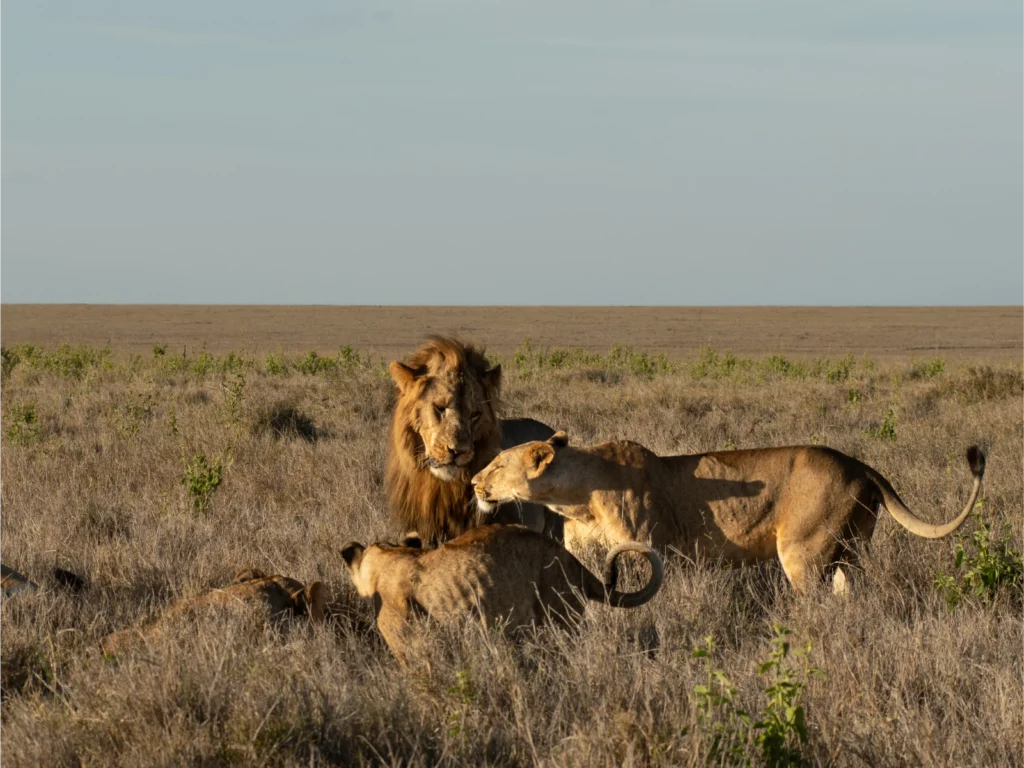
Lewa Wildlife Conservancy lies in the foothills north of Mount Kenya, where the land falls away towards the dry north. It began as a cattle ranch and rhino sanctuary and became a conservancy in 1995; together with the neighbouring Ngare Ndare Forest it covers more than 250 km², and in 2013 both were added to the Mount Kenya UNESCO World Heritage Site.
Lewa holds more than 12 per cent of Kenya's eastern black rhinos, alongside southern white rhinos, and the largest single population of Grevy's zebras in the world, a species found only in Kenya and Ethiopia. Elephants move through Lewa along a corridor that links it with the forests of Mount Kenya. Lions, leopards, cheetahs, reticulated giraffes, beisa oryx, gerenuk and the swamp-dwelling sitatunga complete the list.
Lewa is visited through the small lodges and camps on its land, which offer game drives by day and night, walking, horse riding and visits to community projects. In the adjoining Ngare Ndare Forest, a canopy walkway runs through the trees above pools of clear water. Each year the conservancy hosts a well-known marathon that raises money for conservation.
Lewa is close to Ol Pejeta and Samburu, and is a natural part of a northern Kenya circuit. See Laikipia.
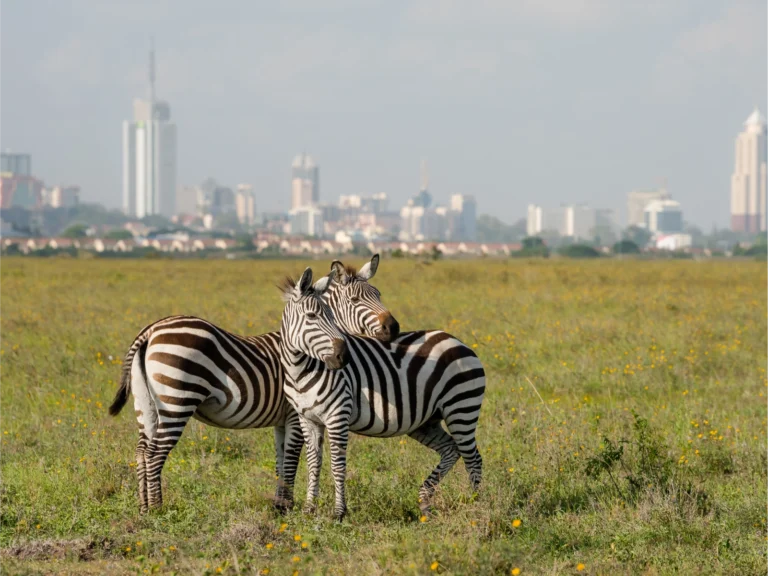
The classic way to see Kenya's wildlife: drives in the early morning and late afternoon in an open-roofed four-wheel-drive vehicle with an expert guide, in parks from the…
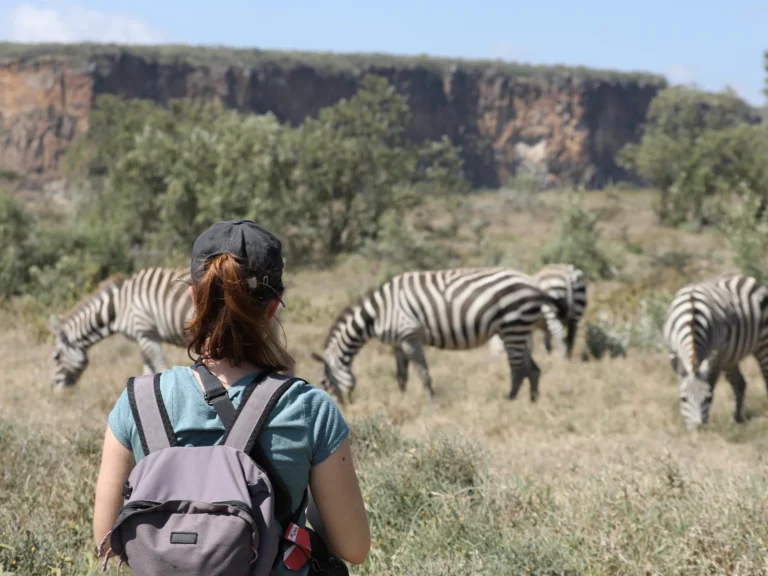
Leave the vehicle behind and explore the bush on foot with an expert guide and an armed ranger, reading tracks and noticing the small things a game drive…
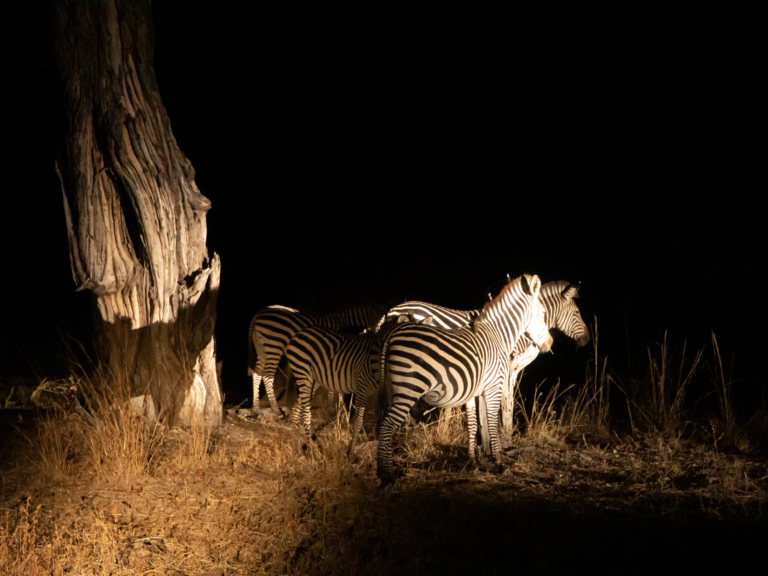
Go out after dark with a spotlight in a private or community conservancy to look for the animals of the night: leopards, hyenas, genets, aardvarks and bushbabies.
Best time January to February and June to September
Dry and warm, with cool nights. The rains fall mainly in April and May and in November.
0.2000,37.4167
Entry rules and fees for Lewa Wildlife Conservancy, from the authority that sets them.
Information changes. Always verify with the official portal. We link to it directly, never to third-party visa sites.
1 trip
4 trips
Tailor-made
Tailor-made
Free quote. No commitment. Tell us your dates, a rough budget and who is coming.
TripGenius travel experts
We reply within 12 hours.
Shape your trip in 3 taps