This Serengeti Ngorongoro safari 3 days itinerary delivers Tanzania's two greatest wildlife destinations in the shortest possible window, ideal for travellers with limited time who want substance, not a drive-by. Two nights, two parks, two of Africa's most extraordinary game-viewing environments.
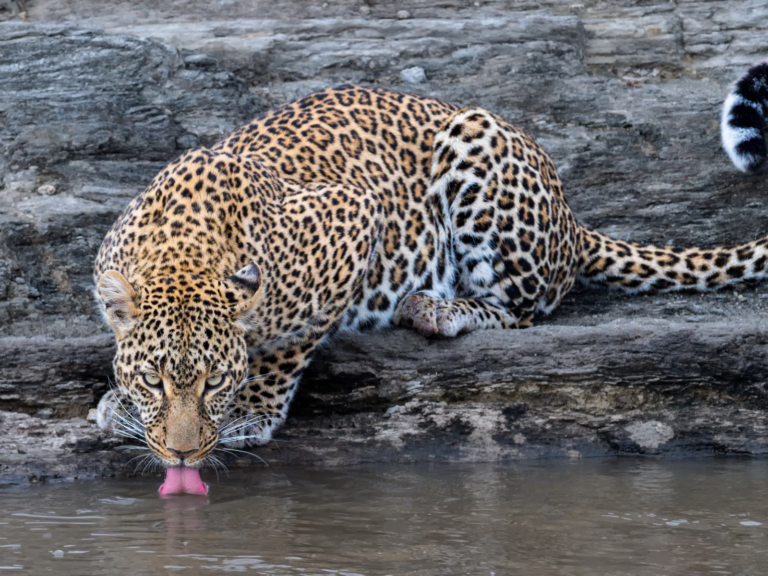
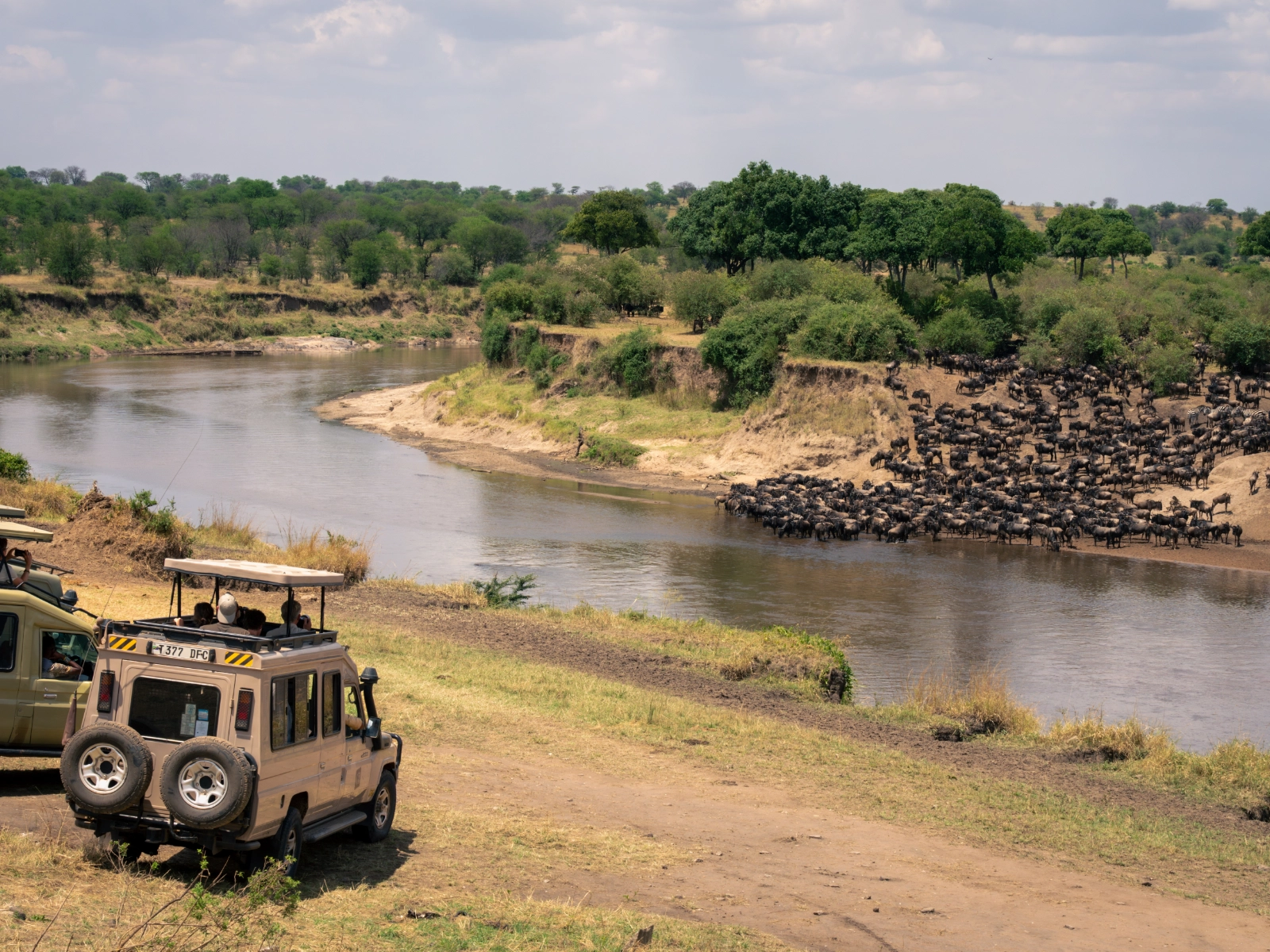
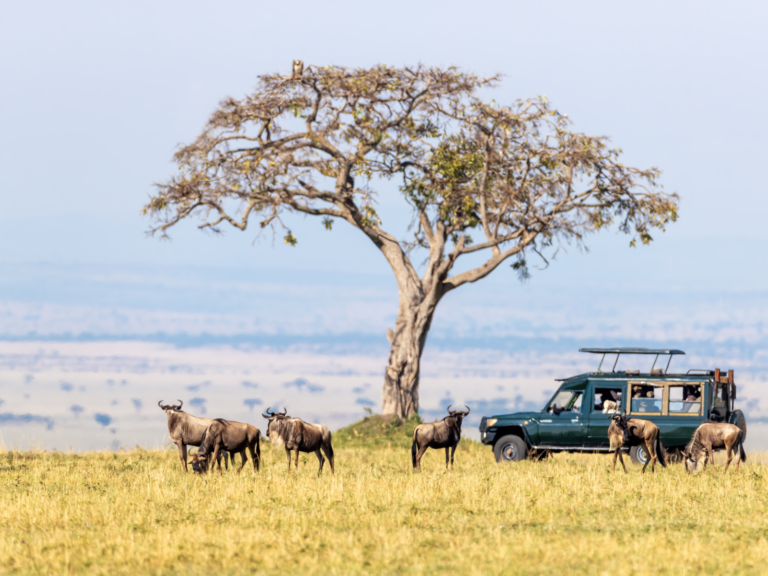
The Serengeti is 14,750 km² of open savannah that has been one of the world's great wildlife ecosystems for over 3 million years. The landscape is defined by the open Serengeti plains, the kopjes, ancient granite rock outcrops that rise from the grassland and serve as platforms for leopards and cheetahs, and the rivers that cut through the park and concentrate wildlife during the dry season. The Serengeti holds the Big Five year-round: elephant herds, multiple resident lion prides, leopards in the kopje zone, buffalo, and black rhinos. The Great Wildebeest Migration moves through the ecosystem continuously: in the southern Serengeti's Ndutu plains during the calving season (January to March), through the central corridor in April to June, along the western Grumeti River in June to July, and into Kenya's Maasai Mara in July to October before returning south. The timing of your visit determines where in this cycle the migration is, and your guide will position your drives accordingly.
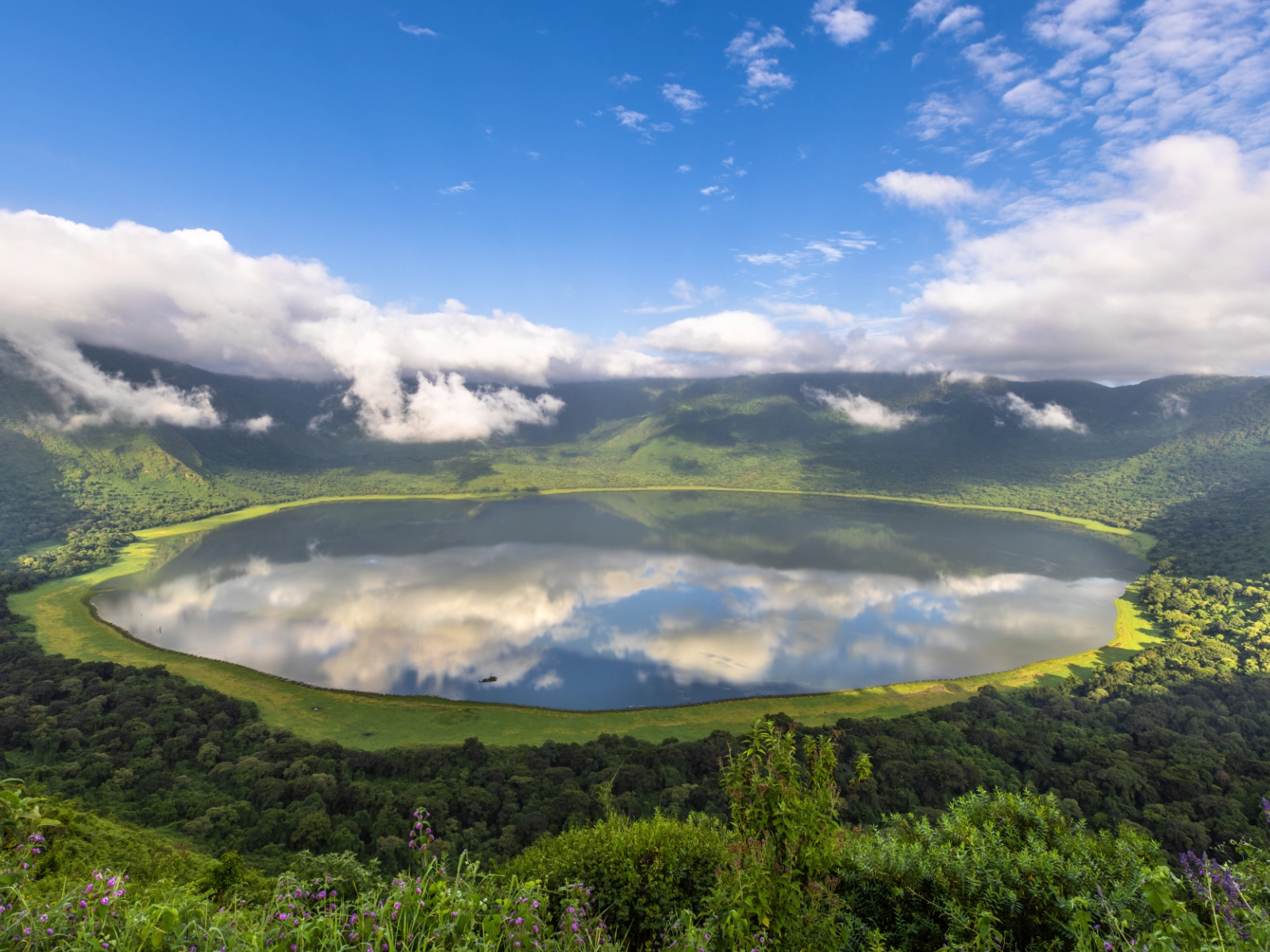
Ngorongoro Crater is one of the world's most extraordinary enclosed wildlife environments. Formed approximately 2.5 million years ago when a massive volcano collapsed inward, the caldera is 260 km² at the floor level and surrounded by walls rising 600 metres above it. Approximately 30,000 animals live permanently within the crater, a self-contained ecosystem with no need to leave. Lions, cheetahs, spotted hyenas, hippos, buffalo, zebra, elephants, and flamingos at Lake Magadi are all present. The crater is one of the most reliable places in East Africa to see black rhinos, a small but protected population moves through the open crater floor where they can be tracked by vehicle in terrain that offers unusually clear sightlines. A crater descent is among the most concentrated single-day wildlife experiences available in Africa.
Overnight on the crater rim at over 2,200 metres means cool temperatures, dramatic views over the caldera, and the best possible position for an early morning descent the next day.

 7 days, 6 nights
Adjustable