• 7 days · 6 nights
  • Tanzania
  • Combined and Multi-Experience Trips
  • Easy
  • Adjustable

7-Day Tanzania Safari: Tarangire, Serengeti, Ngorongoro and Lake Manyara

A seven-day group safari from Arusha through Tanzania's northern circuit: Tarangire's elephants and baobabs, three days in the Serengeti following the migration, a descent into the Ngorongoro Crater and Lake Manyara on the way back, with full board and park fees included.

Route: Arusha or Kilimanjaro International Airport to Arusha

from · per adult · Bronze Package US$ 1,450

About this trip

This Tanzania 7 day safari joining group itinerary covers the full northern Tanzania circuit with three consecutive nights in the Serengeti, enough time to genuinely track the migration rather than encounter it in passing. The circuit is structured as a loop from Arusha: out through Tarangire and Mto wa Mbu, deep into the Serengeti for three full game drive days, back east via the Ngorongoro Conservation Area for the crater descent, and home through Lake Manyara.

The circuit opens with an Arusha city tour on Day 1, a chance to orient yourself to Tanzania's safari capital before the game drives begin. Day 2 drops into Tarangire for a full afternoon game drive among the elephant herds that give the park its character, before returning to the Fig Tree Lodge base in Mto wa Mbu, a small trading town at the base of the Rift Valley escarpment and the geographic midpoint of the northern circuit. Day 3 drives northwest into the Serengeti via the Ngorongoro Conservation Area.

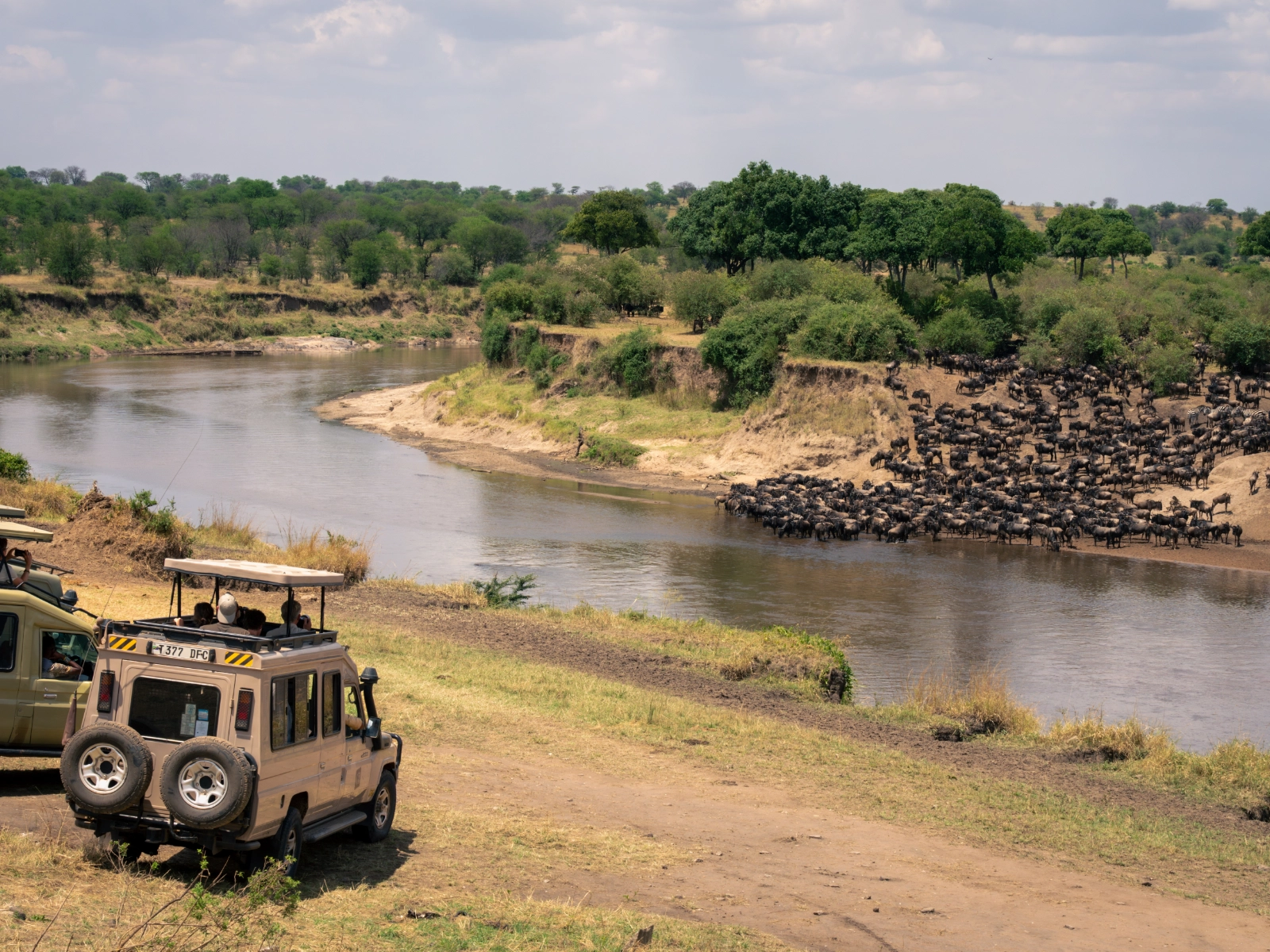
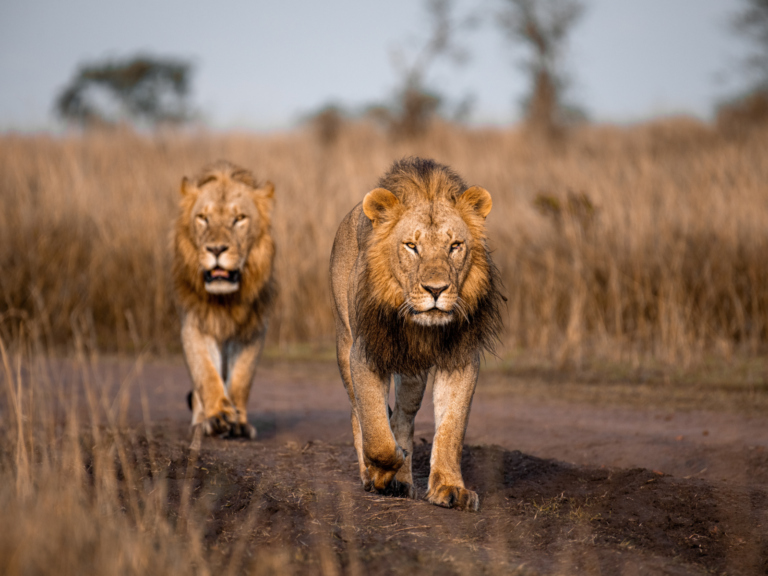
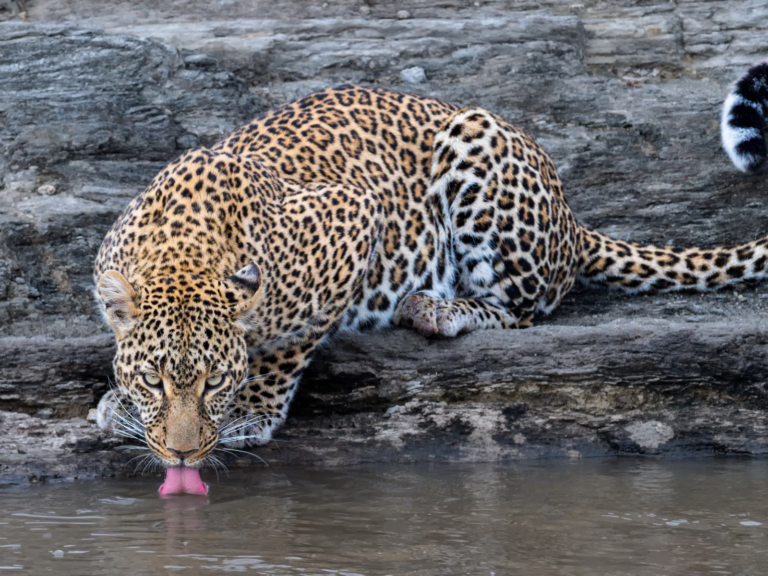
Three Serengeti days: the Seronera central valley is the most consistently productive game-viewing zone in the ecosystem, with multiple resident lion prides, cheetah families, and leopards hunting the ancient granite kopjes. From July to October, the northward migration herds are present across the western and central zones; from October to December the returning herds flow back through the central corridor. Days 3 to 5 give your guide the time and flexibility to track these movements, follow river crossings if the herds are at the right point in their cycle, and find the specific concentrations that make each season's Serengeti different.

Day 5 transitions from the Serengeti to the Ngorongoro rim with a sunrise game drive and an overnight at Simba Campsite. Day 6 descends into the crater for a morning of game drives in the 260 km² volcanic caldera: home to black rhinos, lion prides, hippos at the swamp, flamingos at Lake Magadi, and 30,000 permanently resident animals. Day 7 rounds out the circuit with a sunrise game drive at Lake Manyara, one of Tanzania's premier bird parks, before the drive home to Arusha.

Accommodation includes two nights at Karibu Heritage House in Arusha (Days 1 and 7 post-safari) (a well-reviewed 2-star hotel with pool, restaurant, and garden) and Fig Tree Lodge/Ngedere Lodge in Mto wa Mbu (Days 2 and 6) as the staging base on either side of the Serengeti-Ngorongoro section. Three nights at Seronera Public Campsite in the heart of the park and one night at Simba Campsite on the Ngorongoro rim complete the circuit.

Starts and ends
Arusha or Kilimanjaro International Airport to Arusha
Duration
7 days, 6 nights
Difficulty
Easy
Group size
1 to 7
Best months
January to February, June to October, December

Trip highlights

  • Three consecutive game drive days in the Serengeti's Seronera central zone, the highest year-round big cat concentration in the ecosystem
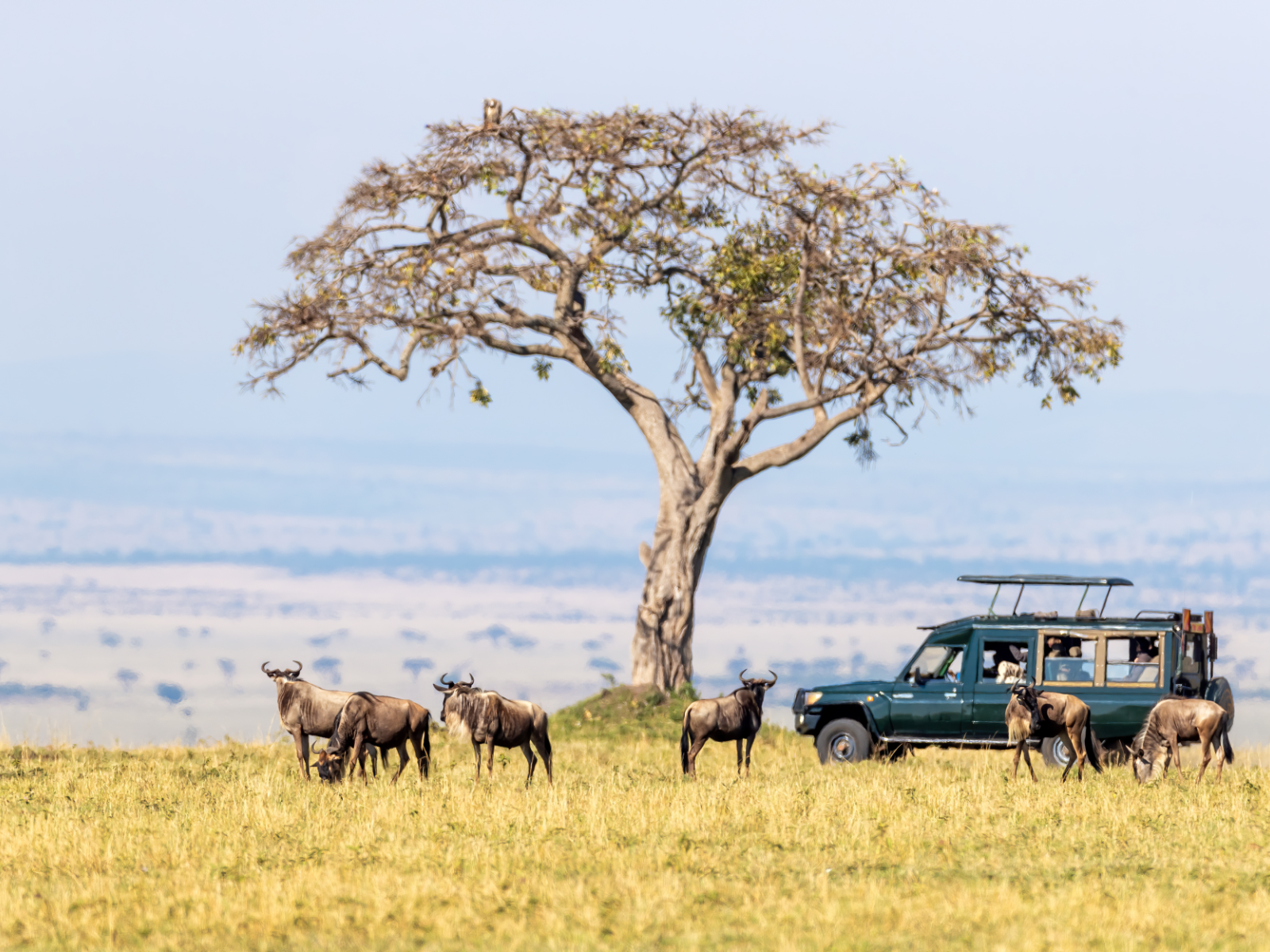
  • Track the Great Wildebeest Migration: the exact zone depends on travel dates; your guide navigates accordingly
  • Sunrise game drive in the Serengeti on Day 5 as you exit: the most active predator window of the day
  • Descent into the Ngorongoro Crater on Day 6: one of East Africa's most reliable black rhino viewing locations
  • Lake Manyara's birdlife, primates and groundwater forest on Day 7
  • Arusha city tour on Day 1: Natural History Museum, Old Boma, cultural heritage sites, and Maasai craft markets
  • Full board throughout including bush lunches; beverages included at lodges
  • All Tanzania park and conservancy fees included; joining group format

Day by day

Day 1 Arrive at JRO/Arusha: City Tour Dinner

Your guide meets you at the airport and transfers you to Karibu Heritage House in Arusha's Sakina area: a well-reviewed 2-star hotel with an outdoor swimming pool, restaurant, garden, and free WiFi, situated 5 km from Arusha Airport and 3 km from the city centre. After check-in, join your guide for an Arusha city tour: the Natural History Museum and Old German Boma (the German colonial fortification, now a museum), the Arusha Declaration Monument, the Clock Tower in the city centre, and the Maasai Market Curios and Crafts area where Maasai women sell beadwork, shukas, and handmade goods. Dinner at the Karibu Heritage House restaurant.

Meals
Dinner
Day 2 Tarangire National Park Breakfast, Lunch, Dinner

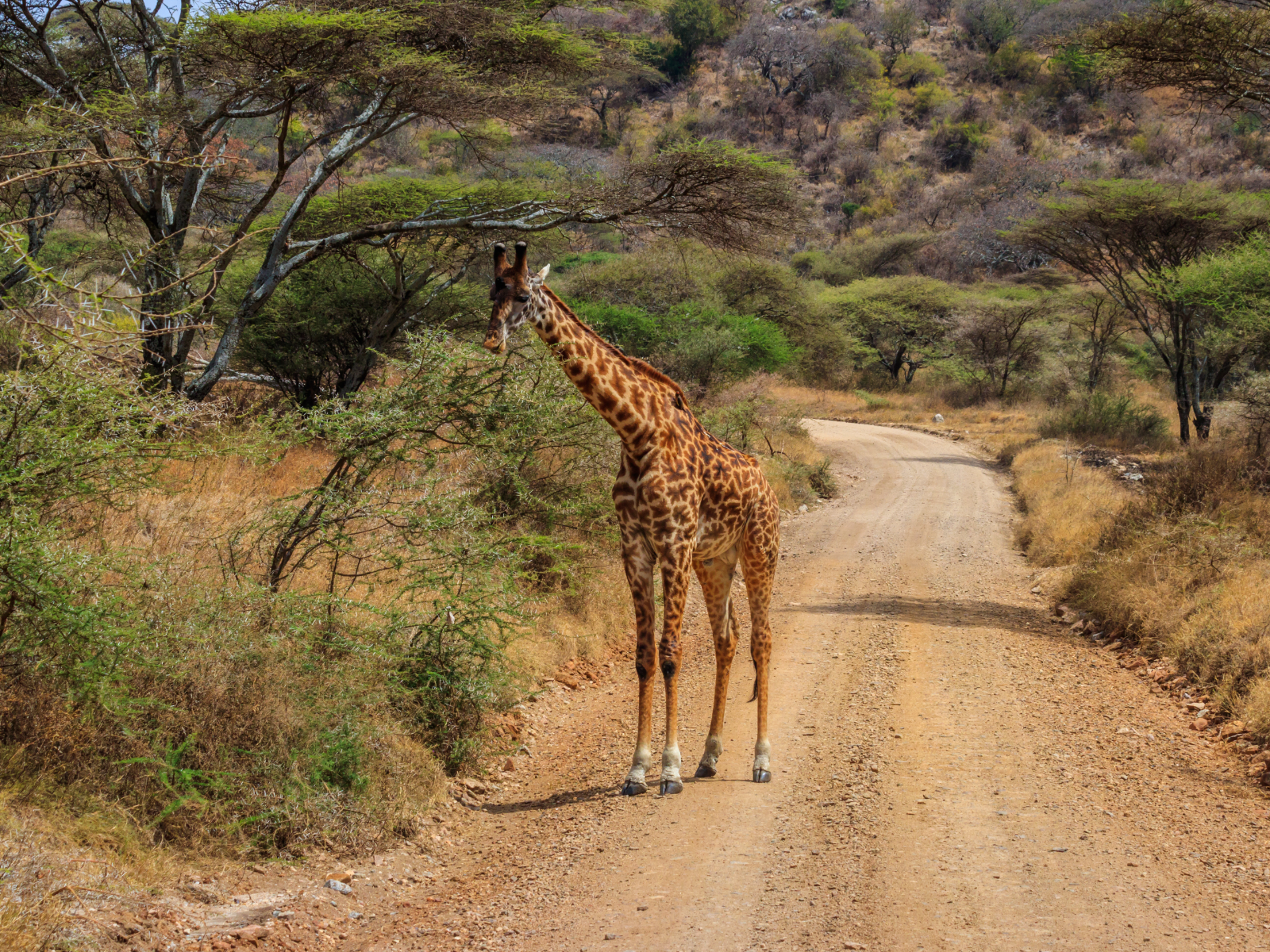
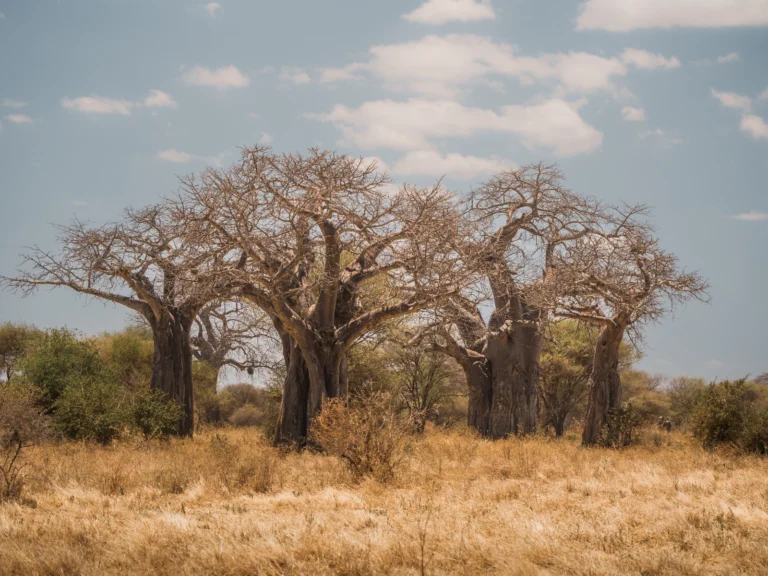
After breakfast, depart Arusha and drive southwest to Tarangire National Park (approximately 2.5 to 3 hours). Enter the park and begin an afternoon game drive centered on the Tarangire River, in the dry season the only permanent water source in a vast area, concentrating enormous elephant herds of 50 to 100 animals alongside ancient baobab trees. Cheetahs, lions, leopards, giraffes, zebras, wildebeest, kudus, and impalas are all resident throughout the year. A bush lunch is served at a designated picnic site inside the park. After the game drive, exit and drive north to Mto wa Mbu, a small rift valley town at the foot of the escarpment, for dinner and overnight at Fig Tree Lodge or Ngedere Lodge, both well-positioned near the Lake Manyara gate and on the road north toward the Serengeti.

Meals
Breakfast, Lunch, Dinner
Day 3 Mto wa Mbu to Serengeti National Park Breakfast, Lunch, Dinner

After breakfast, depart north toward the Ngorongoro Conservation Area. Drive through the NCA highland plateau and descend toward Naabi Gate, the eastern entrance to Serengeti National Park. Begin a game drive as you enter and drive west toward the Seronera central zone. The Serengeti's 14,750 km² is Tanzania's oldest national park (gazetted in 1951), supporting year-round populations of all the Big Five: lions, leopards, elephants, buffalo, and black rhinos (the latter in very small numbers, most reliably seen in Ngorongoro; rare in the Serengeti itself). The Seronera Valley holds multiple resident lion prides, cheetah families, and leopards on the rocky kopjes. A bush lunch is served at a picnic site inside the park. Continue to Seronera Public Campsite for dinner and overnight inside the national park.

Meals
Breakfast, Lunch, Dinner
Day 4 Full Day in Serengeti National Park Breakfast, Lunch, Dinner

Spend the entire day inside the Serengeti on game drives. Your guide uses the full day to range across the Seronera valley, the kopje belt, and the western grasslands, adjusting routing based on radio intelligence from guides across the park about active sightings. During peak migration season (July to October), large herds returning from the Maasai Mara flow through the central zone. The kopjes around Seronera are reliable for lounging lions and alert leopards in the afternoon light. Cheetahs are diurnally active and hunt throughout the morning. A bush lunch is served inside the park. Return to Seronera Campsite for dinner and overnight.

Meals
Breakfast, Lunch, Dinner
Day 5 Serengeti Sunrise Drive: Transfer to Ngorongoro Breakfast, Lunch, Dinner

Rise before dawn for the first light of the day: the Serengeti's sunrise game drive window (6:00 to 9am) is when lions return from the night's hunt, hyenas move across the open plains, and cheetahs scan from termite mounds in the cool morning air. This is consistently the most active predator period of the day. After the morning drive and breakfast, begin the drive east toward the Ngorongoro Conservation Area via Naabi Gate. A bush lunch is served en route or at Naabi Hill. Drive up the NCA escarpment to the crater rim and check in to Simba Campsite at approximately 2,200 metres. The temperature drop from the Serengeti plains is dramatic, pack your warm layer. Dinner and overnight on the rim.

Meals
Breakfast, Lunch, Dinner
Day 6 Ngorongoro Crater: Transfer to Mto wa Mbu Breakfast, Lunch, Dinner

Rise early for the descent into the Ngorongoro Crater at first light. The crater's 260 km² volcanic caldera floor holds approximately 30,000 permanently resident animals: all Big Five including one of East Africa's most reliably sighted black rhino populations, multiple lion prides, cheetahs, spotted hyenas in large clans, hippos at the swamp, enormous buffalo herds, and flamingos at the alkaline Lake Magadi. A bush lunch is served at the designated hippo pool picnic site inside the crater. Exit the crater at 15:00 and drive west and south down the NCA escarpment toward Mto wa Mbu (approximately 40 minutes). Dinner and overnight at Fig Tree Lodge or Ngedere Lodge, the same base used on Day 2, ideally positioned for the Day 7 Lake Manyara sunrise drive.

Meals
Breakfast, Lunch, Dinner
Day 7 Lake Manyara National Park: Return to Arusha Breakfast, Lunch, Dinner

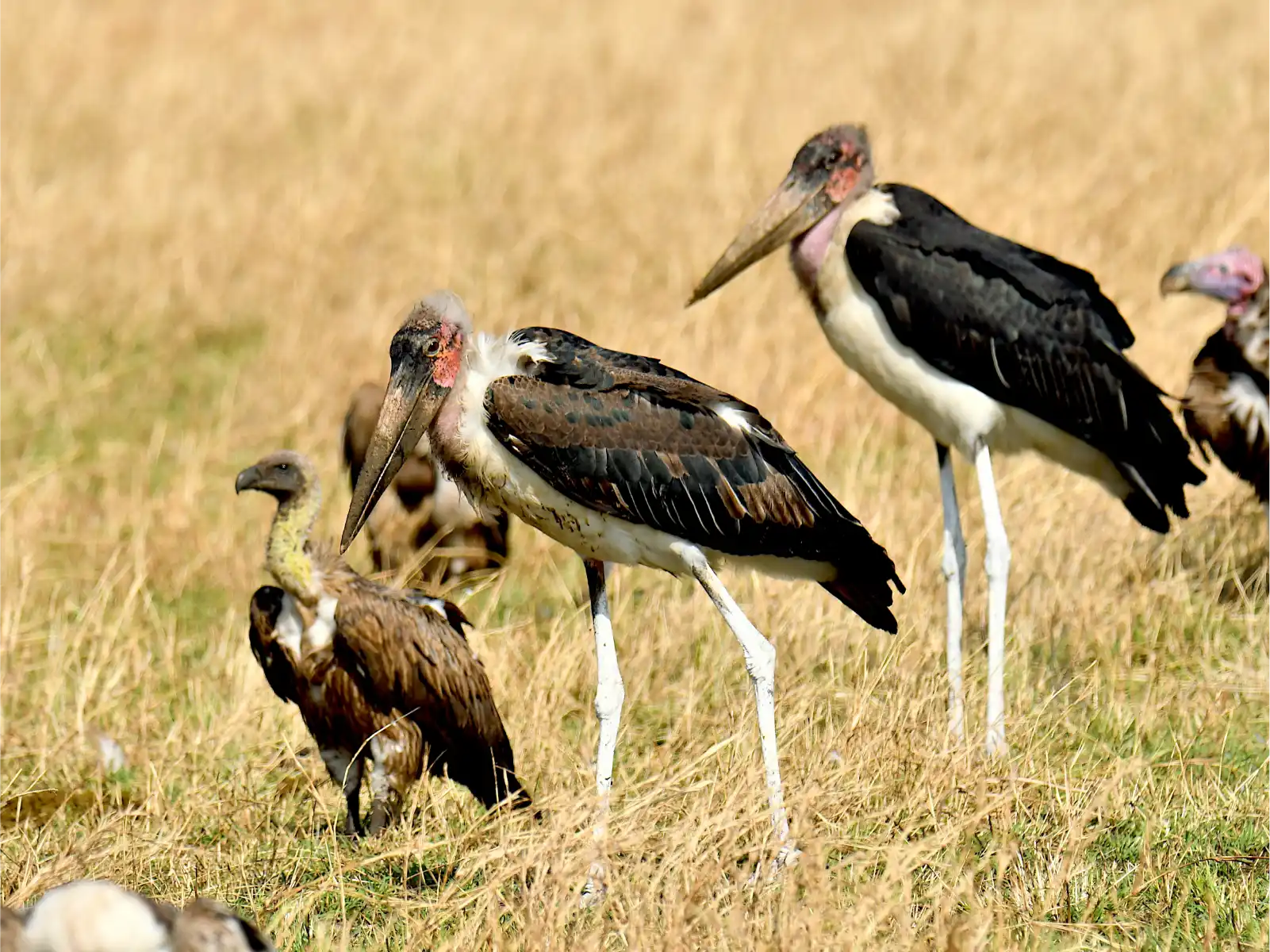
Rise early for a sunrise game drive in Lake Manyara National Park, 5 minutes from the Fig Tree Lodge gate. Lake Manyara's 330 km² compressed park transitions from groundwater forest to open acacia woodland and alkaline lakeshore in a narrow strip bounded by the Rift Valley escarpment. Over 400 bird species have been recorded; the forest fringe holds large baboon and blue monkey populations; hippos, buffalo, warthogs, zebras, wildebeest, impalas, and giraffes occupy the open woodland and floodplain. The park's fig-tree woodland is associated with the occasional tree-climbing lion behaviour, documented in the park but opportunistic rather than predictable on any given drive. A bush lunch is served at a park picnic site. Exit the park at 16:00 and drive east to Arusha (approximately 1.5 to 2 hours), arriving in the early evening for drop-off at your hotel, Karibu Heritage House, or JRO/ARK airport.

Meals
Breakfast, Lunch, Dinner

What’s included

Included

  • 6 nights' accommodation as specified per package tier
  • Full board meals throughout as specified per day; bush lunches in parks
  • All Tanzania park and conservancy entry fees
  • Drinking water and non-alcoholic beverages in safari vehicle throughout
  • Alcoholic and non-alcoholic beverages at lodge meal plan (Karibu Heritage House and Fig Tree Lodge/Ngedere Lodge)
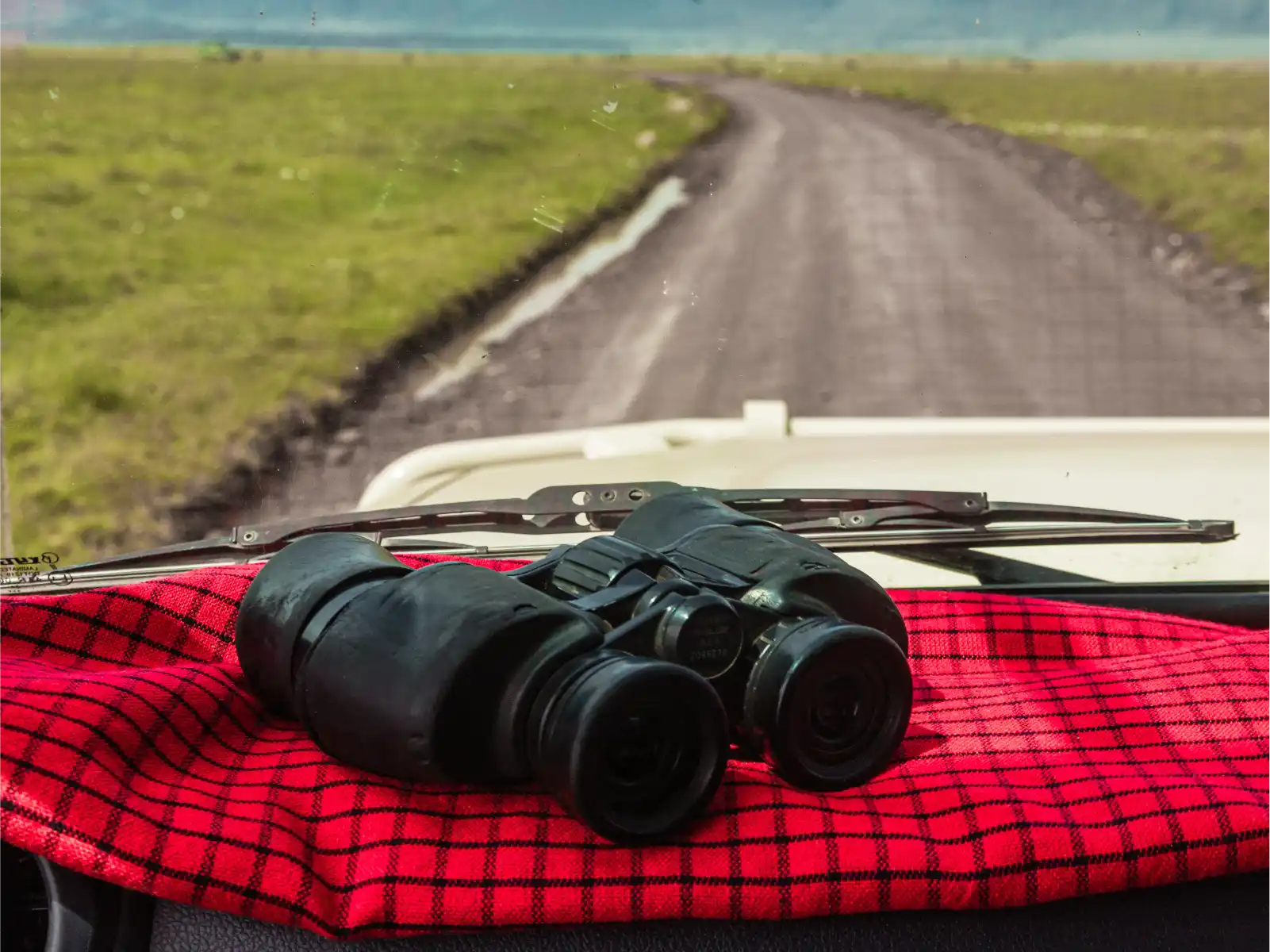
  • 4WD open-top safari Jeep for all game drives
  • Professional multilingual guide (English/French/Spanish: confirm at booking)
  • JRO or ARK airport pickup (Day 1) and Arusha or JRO/ARK drop-off (Day 7)
  • Arusha city tour (Day 1: Natural History Museum, Old Boma, Maasai Market)

Not included

  • Tanzania visa (apply online at visa.immigration.go.tz before travel) and the mandatory visitor travel insurance for mainland Tanzania or Zanzibar
  • International flights to/from Kilimanjaro (JRO) or Arusha (ARK)
  • Travel insurance (required)
  • Tips and gratuities for guide and camp staff (USD 10 to 15/person/day for guide; USD 10/person/night for camp crew)
  • Personal items, laundry, and souvenirs
  • Hot air balloon safari, Serengeti (~USD 550 to 600/person, pre-book)
  • Alcohol consumed during game drives inside national parks is not permitted (TANAPA rules apply in all parks)

Choose your package

  • Bronze Package from · per adult US$ 1,450
  • Silver Package from · per adult US$ 2,800
  • Gold Package from · per adult US$ 5,000

Before you travel

Visa and entry

Most visitors need a visa, best applied for in advance through the Immigration Services Department's official e-visa portal; visas are also issued on arrival at the main entry points. Your passport should be valid for at least six months. Since…

Tanzania travel information

Best season

The main dry season runs from about June to October and is the best time for most parks. The short rains fall in November and December and the long rains from about March to May, when some southern and western…

Information changes. Always verify with the official portals, which each country page links to directly.

Questions about this trip

Can I see all of the Big Five on this trip?

Yes, all five species are present across the circuit, but the reliability varies by park. Lions, leopards, elephants, and buffalo are highly reliably sighted across the Serengeti, Tarangire, Lake Manyara, and Ngorongoro. Black rhinos are most reliably encountered in the Ngorongoro Crater, where the open caldera floor and small but protected resident population make sightings a realistic expectation on a full-day drive. Black rhinos are very rarely sighted in the Serengeti (where the population is extremely small and confined to the western corridor). Your guide will be direct about expectations at each park.

What does the Arusha city tour cover on Day 1?

The standard half-day Arusha city tour includes the Natural History Museum (geological and cultural exhibits on northern Tanzania), the Old German Boma (the colonial-era fortification built in 1886, now a regional history museum), the Arusha Declaration Monument, and the Maasai Market area where you can browse and purchase traditional Maasai beadwork, shukas, and handcrafted goods. Your guide provides context on Arusha's history as Tanzania's safari gateway city and the headquarters of the East African Community.

The source says alcoholic drinks are included, is that accurate?

Alcoholic beverages (beer, wine, spirits) are included in the meal plan at the lodges, Karibu Heritage House (Day 1) and Fig Tree Lodge/Ngedere Lodge (Days 2 and 6). Tanzania's national parks prohibit alcohol consumption inside park boundaries per TANAPA regulations: this applies to all vehicles, campsites, and picnic sites inside the Serengeti, Tarangire, Lake Manyara, and Ngorongoro Crater. At Seronera Public Campsite (Serengeti) and Simba Campsite (Ngorongoro rim), alcohol is not provided as part of the package. Non-alcoholic beverages and drinking water are included throughout the safari.

Is the Ngorongoro Crater worth visiting in the afternoon on Day 5 before the overnight?

Day 5 arrives at the crater rim in the afternoon after the Serengeti morning drive. The Ngorongoro Crater descent is scheduled for Day 6 morning, the best time to descend, when animals are most active and the early light is ideal for photography. Day 5 afternoon at Simba Campsite is rest time on the rim: the evening views over the crater and the cool highland air are themselves a distinct experience from the heat of the plains below.

What is the Lake Manyara "tree-climbing lions" experience?

Tree-climbing behaviour by lions has been documented in Lake Manyara National Park and is associated with the park's dense fig-tree woodland. It is a real behaviour that has been observed and photographed at the park, but it is not a predictable or daily occurrence. Lions spend the majority of their time on the ground; the tree-climbing appears related to insect avoidance and thermoregulation in the specific forest microclimate. Your guide will actively look, but sets honest expectations: on Day 7 you are guaranteed excellent birding and diverse wildlife. A tree-climbing sighting is a bonus.

from · per adult US$ 1,450

Request a Quote

Rates By Exchange Rate API