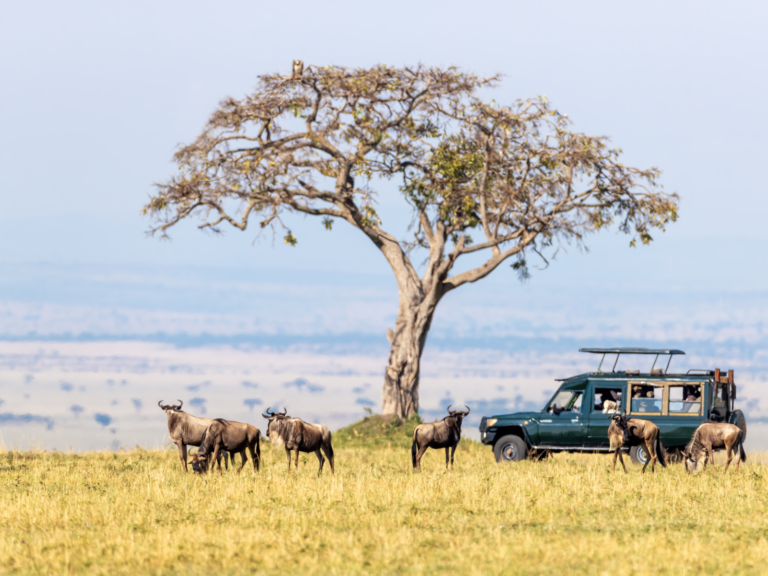
This Tanzania safari 6 days itinerary is Tanzania's northern circuit in its most essential form: four of the country's iconic protected areas, five nights in the bush, and enough game-drive time to actually follow the wildlife rather than check boxes from a van window.
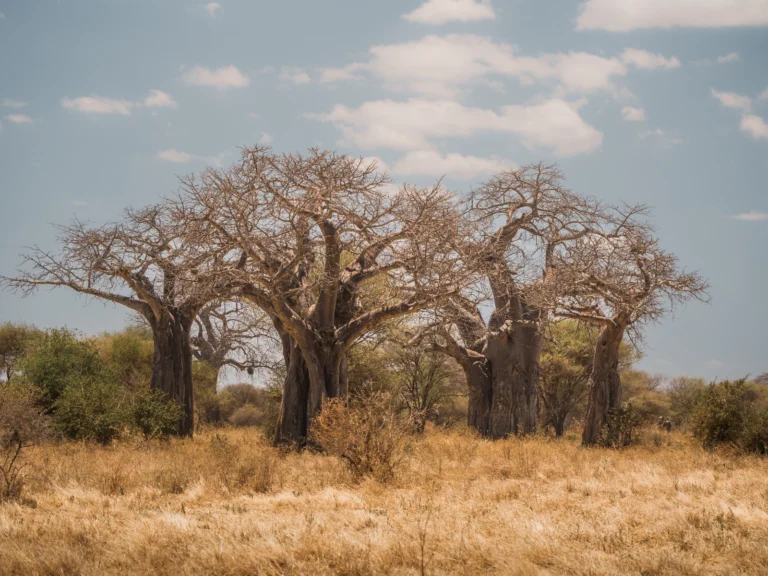
The circuit opens in Tarangire National Park: 2,850 km² of miombo woodland where the Tarangire River draws enormous elephant herds to the only permanent water in the dry season. Some herds number 100 animals or more, moving through ancient baobab trees that can live for a millennium. This is also one of Tanzania's best parks for tree-climbing lions, though the behaviour is rare and opportunistic, not guaranteed on any given drive.
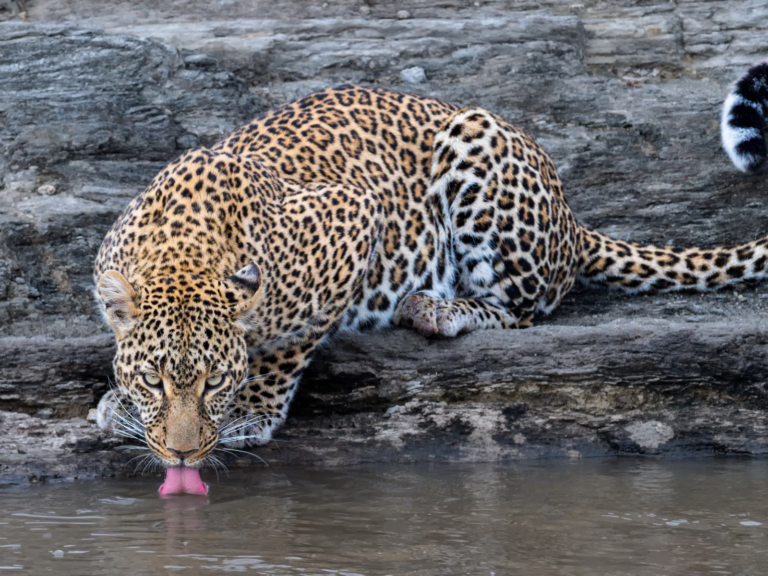
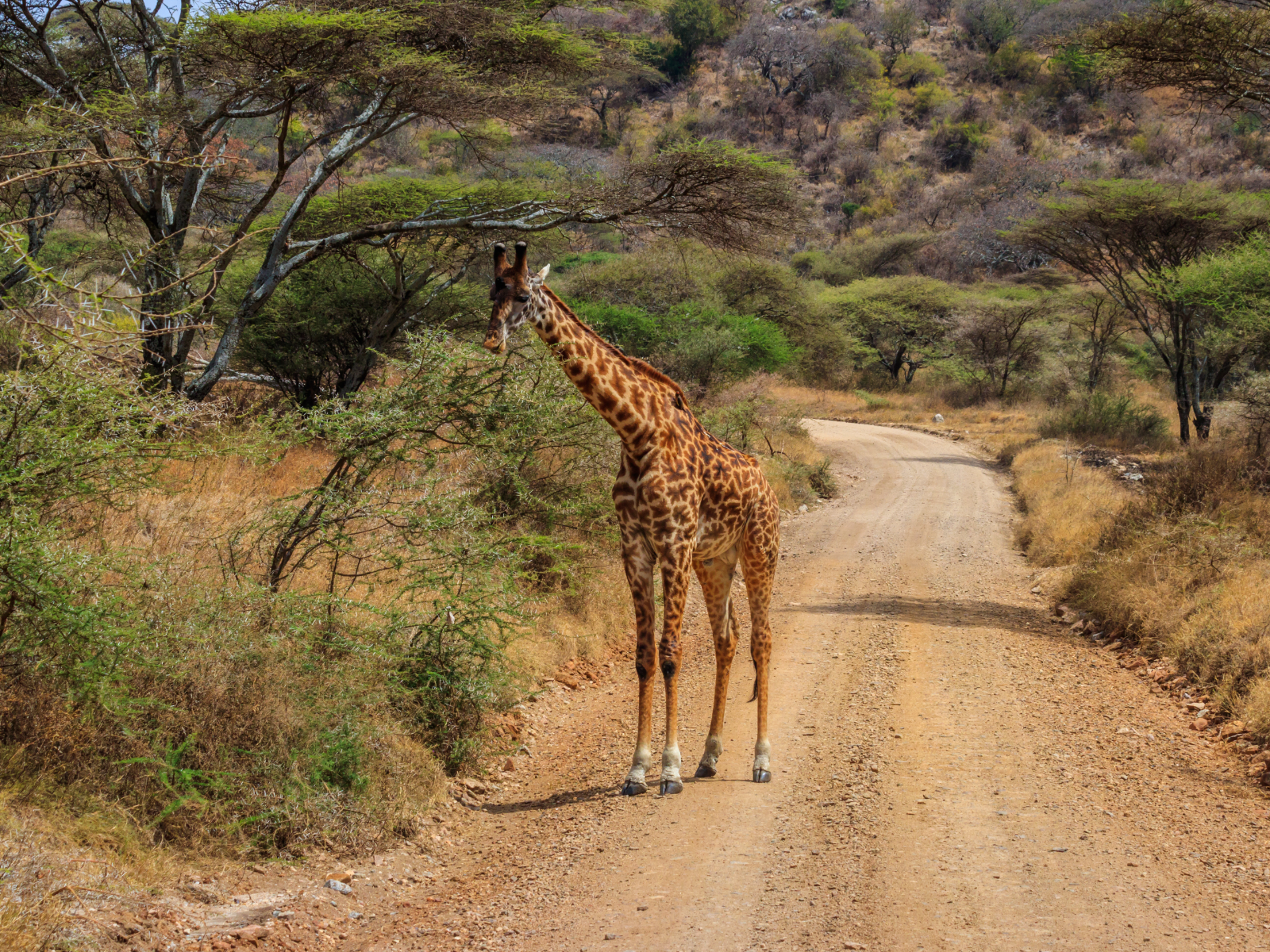
Lake Manyara follows on Day 2, a compact and diverse park where alkaline lakeshore meets groundwater forest and open floodplain in a sequence of habitats that supports one of Tanzania's highest bird diversities (over 400 species). The lake's alkaline shallows attract flamingos when conditions are right; the forest fringe holds leopards, baboons, and giraffes.
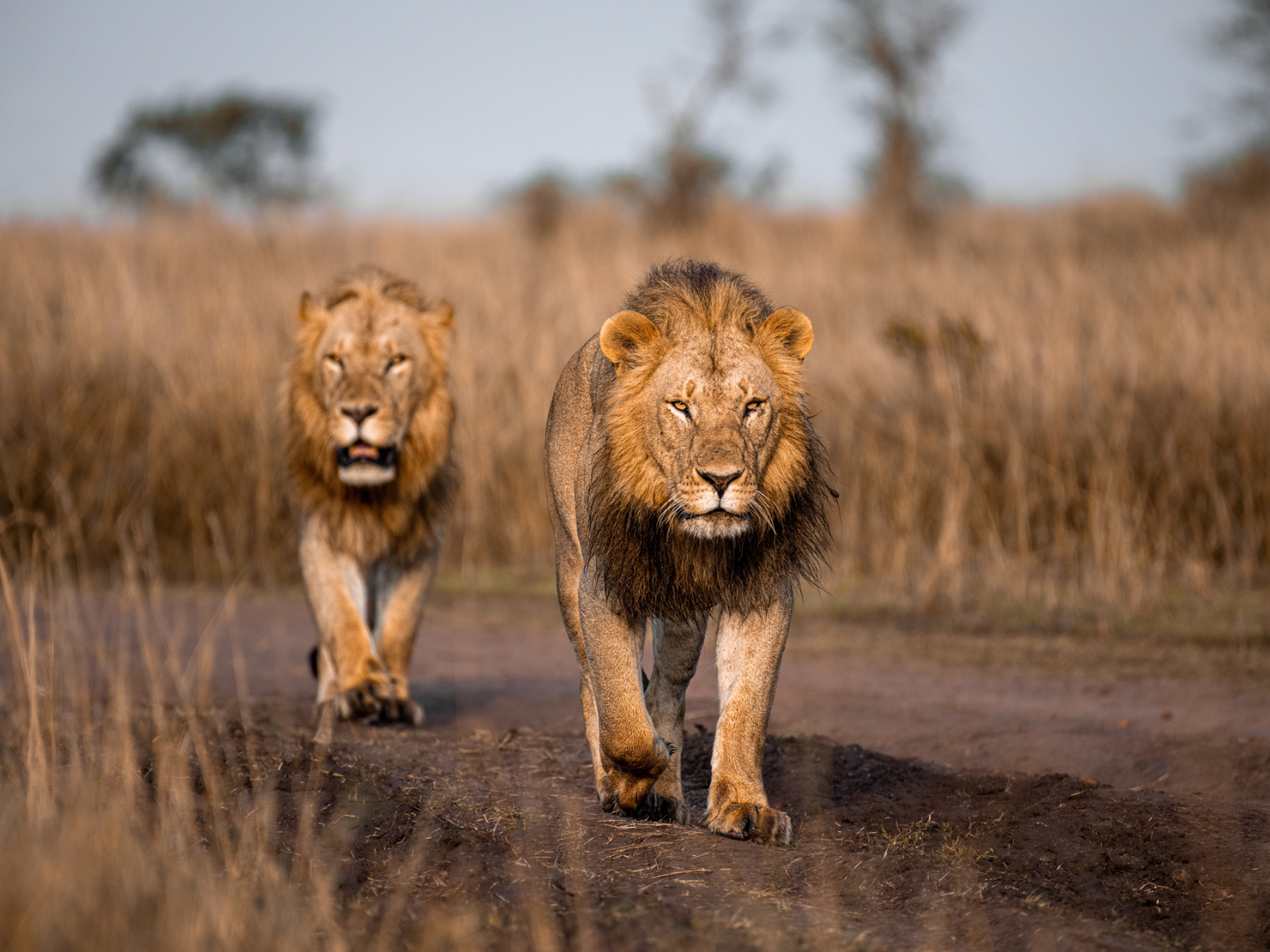
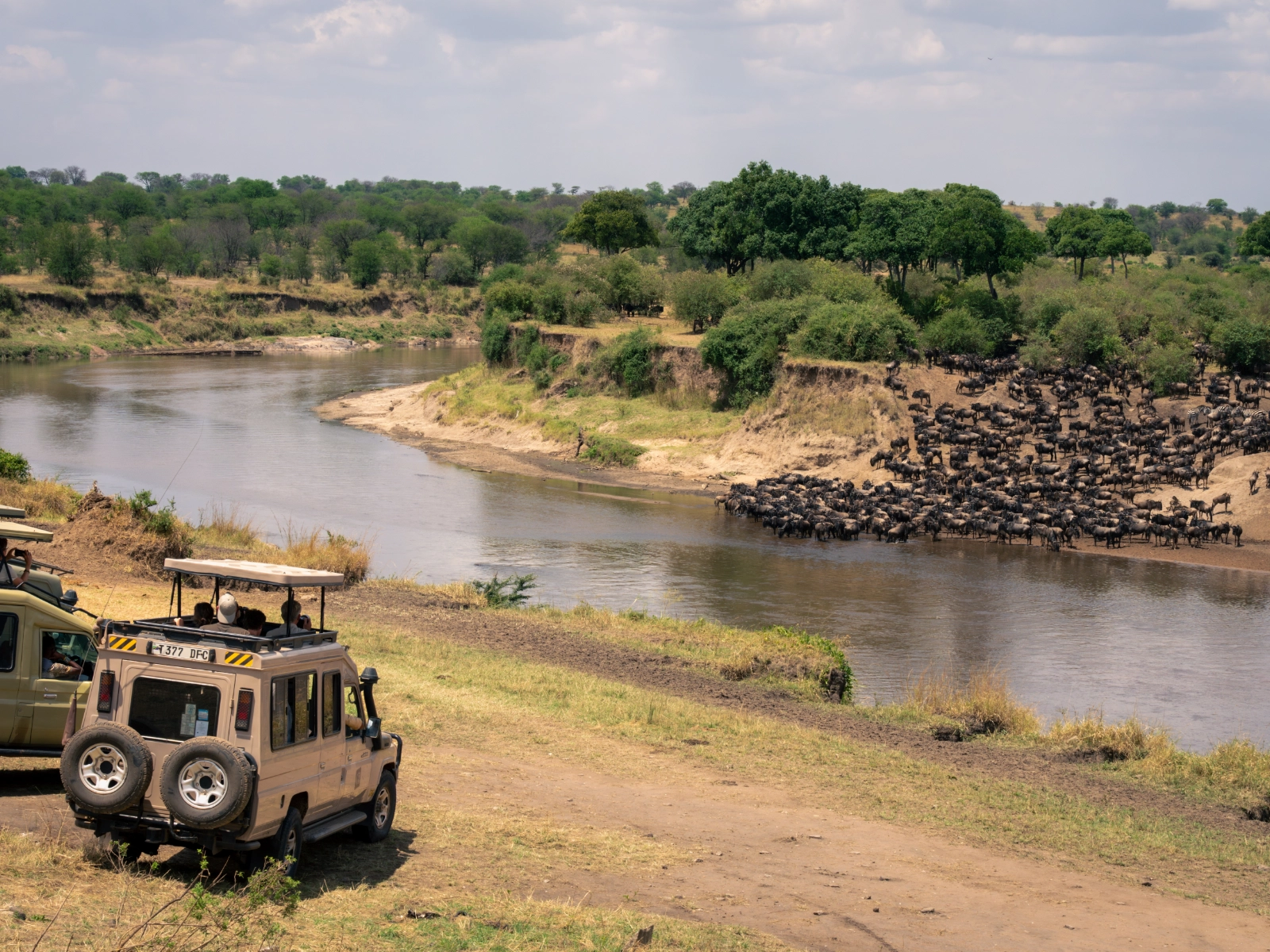
Days 3 and 4 are the Serengeti: two full days in the Seronera central zone, which holds the highest year-round density of big cats in the park ecosystem: multiple resident lion prides, cheetah families, and leopards using the ancient granite kopjes as elevated hunting platforms. From July onwards, the Great Migration's southward-returning herds flow back through the central Serengeti before the calving season begins on the southern Ndutu plains (January to March). Your guide navigates toward wherever the concentration is highest on your travel dates.
Day 5 exits the Serengeti via Naabi Gate with a morning game drive and a lunch stop at Naabi Hill, the rocky ridge at the park's eastern boundary with a sweeping view back across the plains. An optional stop at Oldupai Gorge (formerly Olduvai) gives access to one of the world's most important paleoanthropological sites, the place where Mary and Louis Leakey uncovered hominin fossils that rewrote the timeline of human evolution in the 1950s and 60s. Overnight on the Ngorongoro crater rim prepares you for the best possible crater descent on Day 6.
Day 6 descends into the Ngorongoro Crater: 260 km² of enclosed caldera floor supporting approximately 30,000 permanently resident animals: black rhinos, lion prides, cheetahs, spotted hyenas, elephant bulls, hippos, and flamingos on the alkaline Lake Magadi. After a picnic lunch at the hippo pool, ascend the rim and drive back to Arusha.

 7 days, 6 nights
Adjustable