Your private guide collects you from your hotel at the agreed time and drives to Jozani-Chwaka Bay National Park. Enter the park with your guide and begin a guided forest walk on the maintained trails. The Zanzibar Red Colobus Monkey (Piliocolobus kirkii) (with distinctive reddish-brown fur, a black face, and white brow tuft) is habituated to human visitors and regularly observed at 1 to 3 metre distances from the trail. Groups of 8 to 20 individuals move through the canopy and along the forest floor as your guide explains their diet (leaves, flowers, and unripe fruit), their social structure, their endemic status, and the ongoing conservation pressures the species faces. No physical contact with the monkeys is permitted or encouraged, observing them at close range is the experience, not touching. The forest also holds Sykes' monkeys, Zanzibar bush babies, monitor lizards, and over 50 bird species. Photograph freely from the trail.
After the forest section, follow the path to the mangrove boardwalk, an elevated wooden bridge over the mangrove ecosystem that borders the forest. Your guide explains the mangroves' function as nursery habitat for Indian Ocean reef fish, coastal erosion protection, and carbon sequestration. Crabs, mudskippers, and small fish are visible in the root systems below the boards. Stop for photos in the serene setting before returning to the vehicle.
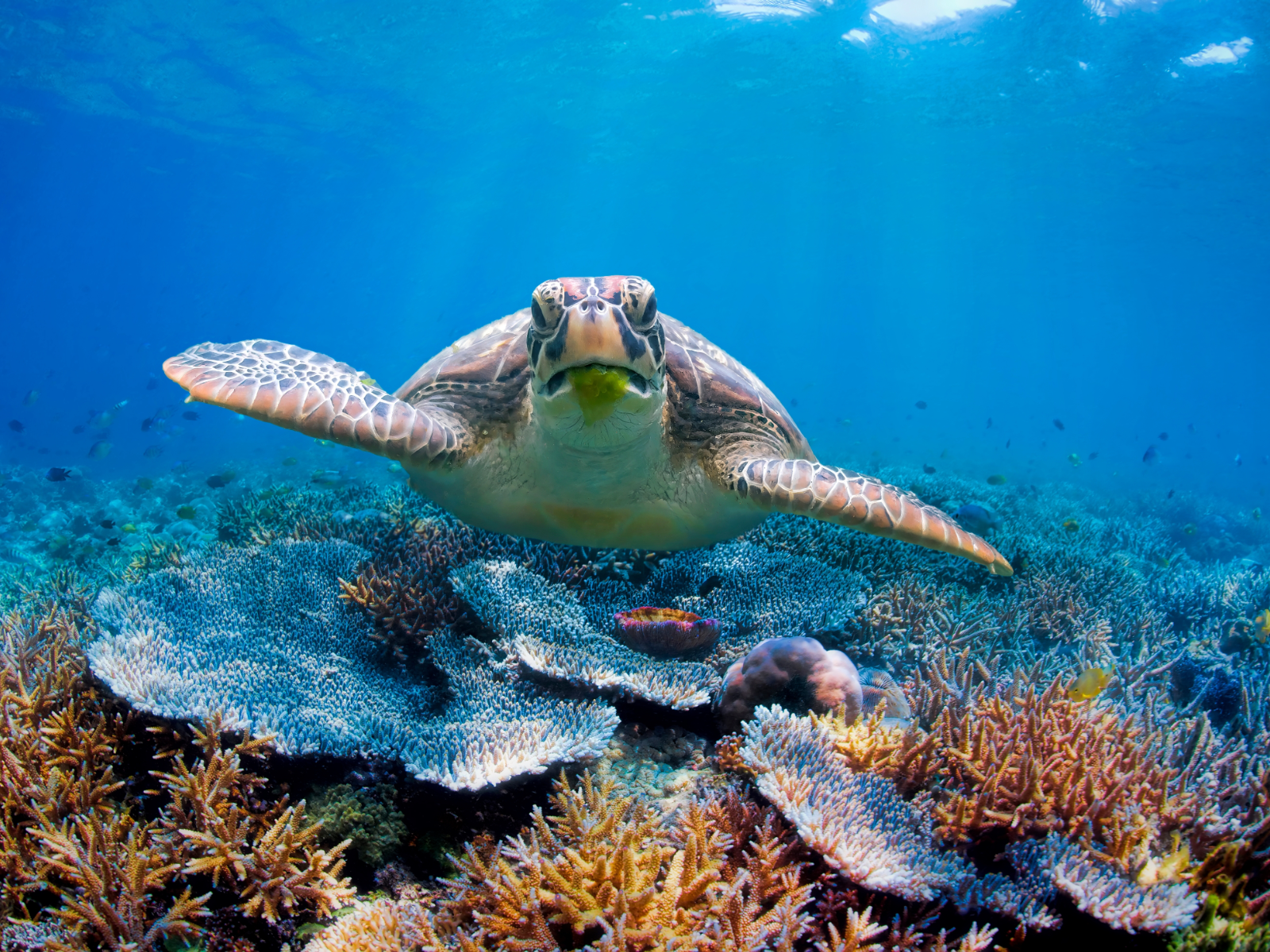
Drive south toward Kizimkazi (approximately 30 minutes) and arrive at the Salaam Cave sea turtle rehabilitation facility. Your guide introduces the facility's conservation programme: injured or disoriented sea turtles, primarily green sea turtles (Chelonia mydas), are housed here during rehabilitation before annual release back to the Indian Ocean. Change into swimwear and water shoes (recommended, the pool floor is rocky) and enter the clear pool with your guide. Feed the resident turtles with the seaweed provided by the facility; they are accustomed to hand-feeding during their rehabilitation and move freely around the pool. Your guide explains the anatomy, migratory behaviour, and threats facing Zanzibar's sea turtle populations (primarily fishing bycatch and beach erosion of nesting sites). After the swimming session, change and drive back to your hotel for drop-off.

 1 day
Adjustable